Patient and Informal Caregiver Participation in Research (PAICPAIR) Part 1
The current featured ANS article is titled “Patient and Informal Caregiver Participation in Research (PAICPAIR) Part 1” The authors are PhD. candidate Katrine Staats, Professor Ellen Karine Grov, Professor Bettina Husebø, and Postdoctoral fellow Oscar Tranvåg. In this inventive article, the authors presents a framework for Patient and Informal Caregiver Participation In Research (PAICPAIR) — creating a stronger foundation for democracy, equality and research quality by promoting the active participation of vulnerable people with incurable life-threatening illness, as co-researchers. You can access this open access article anytime at no cost; we welcome your comments and responses!
Establishing research collaboration with vulnerable human beings implies ethical challenges and considerations. We do however believe it is unethically not to include patients and their informal caregivers as co-researchers solely based on vulnerability. Little attention is paid to how vulnerable people, living with incurable life-threatening illness, and their informal caregiver, actively can participate as co-researchers.
In this work, we present the first paper of two presenting the PAICPAIR framework for Patient and Informal Caregiver Participation in Research. The framework is founded on learnings from research collaboration with a patient and two informal caregivers experiencing incurable, life-threatening illness − participating as our co-researchers in the ‘Dying with dignity-project’. We describe and discuss crucial aspects of the first part of this research collaboration; how we constituted and developed a formal research collaboration, and how we supported and empowered the co-researchers during the initial stages while developing study aim, research questions, interview guides and letters of information.
From the early stages of the research process we have implemented a thorough collaboration with patients and informal caregivers – as partners of our research team. We acknowledge them as experts of the subject under investigation, making their contributions and unique competence of great value to all phases of the research process. These patient and informal caregivers,representing a large group of people experiencing incurable life-threatening illness, are seated in the projects’ advisory board as well as the steering group. Regularly scheduled planning sessions, plus systematic follow-up phone calls, helps ensure that the project receives adequate consideration from our co-researchers in all phases of the the research project. A strong working relationship of professional researchers and patient and informal caregiver co-researchers, has been a vital foundation throughout the PAICPAIR process thus far. And in this series of research actions a continous awareness of their potential vulnerability is highlighted while placing us as a team at the center of our methodolgical approach.
Learning experiences from the second and conclusive part of the PAICPAIR process will be published in a later article (PAICPAIR framework part 2) − a description and critical discussion of the PAICPAIR process of data analysis, formulating and developing a plan for disseminating of study results – and how we as a research team implement it into practice.
About the Authors
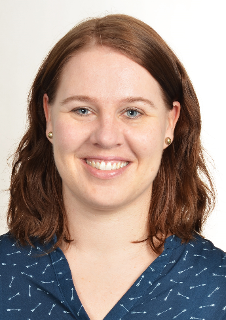
Katrine Staats
Katrine Staats is MSc, oncology nurse, PhD candidate, Centre for Elderly and Nursing Home Medicine, Department of Global Public Health and Primary Care, University of Bergen, Norway.
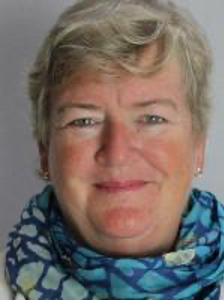
Ellen Karine Grov
Ellen Karine Grov is Professor, Institute of Nursing and Health Promotion, Oslo Metropolitan University, Norway.

Bettina Husebø
is Professor, Centre for Elderly and Nursing Home Medicine, Department of Global Public Health and Primary Care, University of Bergen, Norway.
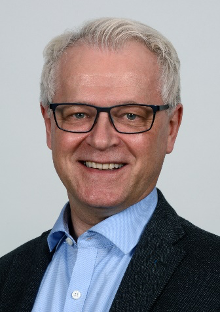
Oscar Tranvåg
Oscar Tranvåg is Postdoctoral fellow, Faculty of Health and Social Sciences, Western Norway University of Applied Sciences, Bergen, Norway, and; Norwegian National Advisory Unit on Women’s Health, Oslo University Hospital, Rikshospitalet, Norway.






 ANS: Advances in Nursing Science Blog