The 2024 Virtual Nursology Theory Week is now history, so it is now time to make sure you save the date for 2025! March 20-24, 2025
The 2025 program will follow the traditional pattern with 34 knowledge sessions, 3 plenary featured panels on Thrusday, Saturday and Monday, posters during 5 days and 30-minute “knowledge sessions” based on abstracts from all over the world. Watch for the “Call for Abstracts” which will appear on Nursology.net, as well as the conference website!
The 2024 Virtual Nursology Theory Week is now history, so it is now time to make sure you save the date for 2025! March 20-24, 2025. For many nurse scholars and students who are seeking to strengthen nursology theory and philosophy content in education, this is a major event not-to-be missed!
Our 2024 week was a major success – now a landmark event with 34 knowledge sessions, 3 plenary featured panels, and 4 posters, featuring the theme of Nursology theory think tanks! We had many participants, and presenters, from countries in South America and Europe. Attendees and presenters included students, early career scholars, and a number of well-known scholars. Those of us on the planning team wish to convery many appreciations to all who made this possible — the 70 presenters, our fabulous zoom support crew, and the session Ambassadors who kept us on track and stepped up to help with any and all details! We will be posting follow-up information and reflections over the coming weeks.
Soon we will start planning for the 2025 conference! We will continue a similar format, with 3 plenary sessions along with 30-minute “knowledge sessions” developed from abstract submissions. Watch for the “Call for Abstracts” early in the Fall semester (Spring for our neighbors in the southern hemisphere). We will continue our program of sponsorships to assure that all are able to participate!
For everyone who participated, if you are planning think tanks or other activities inspired by our time together throughout the 2024 week, let us know! We will post what you are doing over the coming months! This “conference” is not simply an “event” – it is an experience that spills out in many different directions! And please complete the Evaluation form (see the link in Guidebook). Your feedback will be invaluable as we plan the event for 2025!
Theme – “Nursology Theory Think Tanks for the Future.”
The program for the March 21-25 2024 Virtual Nursology Theory Week is now available for preview, and registrationis open! The theme for the conference was inspired by the “think tank” tradition that was established by nurse theorist Margaret Newman in the 1980’s – a time when ANS was still a fledgling journal but beginning to be recognized for its unique “cutting edge” tradition!
The conference program promises to be the best yet! The program features three plenary panels on Thursday, Saturday and Monday! The “knowledge sessions” each day feature speakers from over the world who submitted abstracts focusing on the development of nursing knowledge! Each day concludes with an hour-long “Daily Discussion” during which presenters and attendees can interact informally to discuss topics and issues that were presented during the day!
Register nowto have access to all conference events and access to the digital conference “Guidebook.” The Guidebook will be available about a week before the conference begins, and will contain all presenter bios (with photo) and the slides to be used during their presentation.
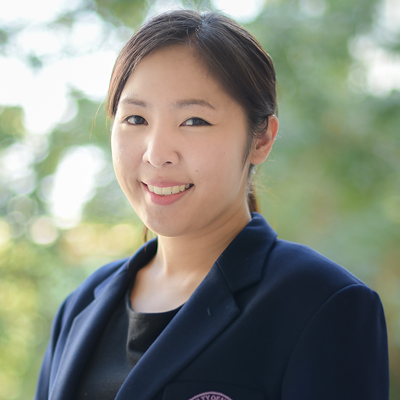
The current ANS featued article is titled “Resilience in Family Caregivers of Asian Older Persons with Dementia: A Concept Analysis,” authored by Thitinan Duangjina, MSN, RN; Anne M. Fink, PhD, RN, FAHA; and Valerie Gruss, PhD, APRN, CNP-BC, FAAN. You can download this article at no cost while it is featured. We welcome your comments and discussion here! Thitinan Duangjina shared this information about this work:
Thitinan Duangjina
Family caregivers must routinely deal with stressful caregiving situations, so they must become resilient in order to recover from the physical and psychological challenges they encounter. Resilience is contextual in nature and depends on sociocultural norms1. Previous concept analyses of resilience focused on caregiving for patients with multiple chronic conditions2, and for spouses/partners of people with young-onset dementia worldwide3. However, the differing nature of caregivers results in different levels of commitment to caregiving. Especially in the Asian context, adult children’s commitment to caregiving is derived from family obligations based on reciprocity and filial piety. The concept of resilience in Asian family caregivers who are adult children of older persons with dementia has not yet been formally defined.
To the best of our knowledge, resilience in family caregivers of Asian older adults with dementia has not been formally defined as a concept. Our study analyzed the concept of resilience in family caregivers of Asian older adults with dementia using Walker and Avant’s concept analysis method4. The attributes, antecedents, and consequences of resilience in this population are presented along with the conceptual definition derived. Also, a model case and borderline case are presented to enhance reader understanding of the concept. Based on the concept analysis, 7 antecedents were found to be risk factors for resilience, and 7 attributes emerged as contributing to resilience. Furthermore, we found that Asian sociocultural factors play roles in both the antecedents and attributes.
The findings of this concept analysis not only extend the body of knowledge available to nursing professionals but also reveal areas where nurses can support resilience in Asian family caregivers. Moreover, we hope that our study results will provide direction for nurse development of culturally aligned, family centered interventions to promote resilience in family caregivers of Asian older persons with dementia.
References
1. Windle G, Bennett KM. Caring relationships: how to promote resilience in challenging times. In: Ungar M, ed. The Social Ecology of Resilience: A Handbook of Theory and Practice. Springer; 2012:219- 231. Assessed March 4, 2022. https://psycnet.apa. org/record/2011-30122-018
3. Kobiske KR, Bekhet AK. Resilience in caregivers of partners with young onset dementia: a concept analysis. Issues Ment Health Nurs. 2018;39(5):411-419. doi:10.1080/01612840.2017.1400625
4. Walker L, Avant K. Concept analysis. In: L Walker, K. Avant eds. Strategies for Theory Construction in Nursing. 5th ed. Pearson Education; 2011:157-179.
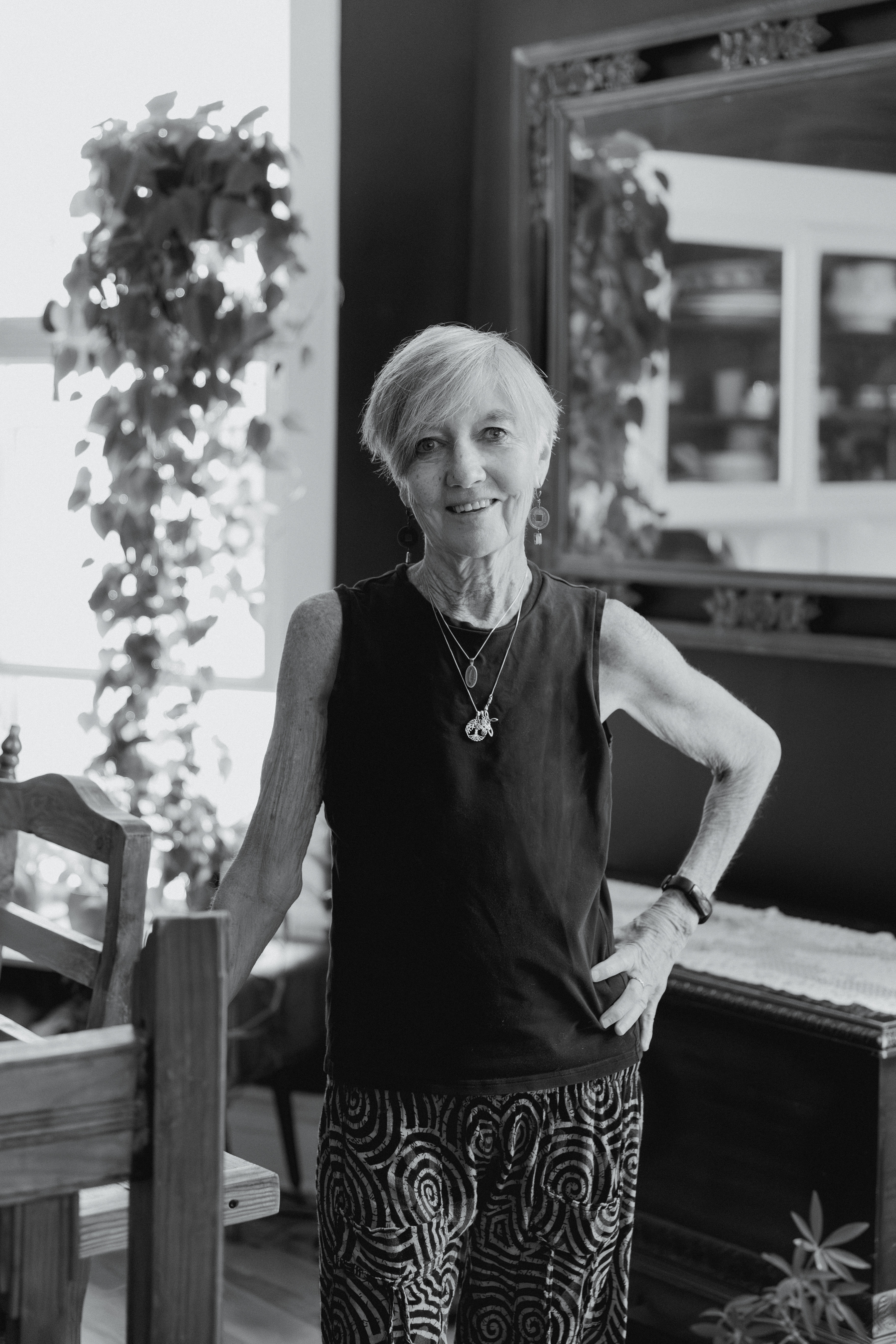
Our current featured article is titled “Ageism in the Nursing Care of Older Adults: A Concept Analysis” authored by Ammar Hammouri, MSN, RN; Murad H. Taani, PhD, MPH, RN; and Julie Ellis, PhD, RN. While this article is featured it is available for free download from the ANS website. Mr. Hammouri has shsared this background about the article for ANS readers:
Ammar Hammouri
My program of research aims to improve older adults’ physical function, mental health, and quality of life. One of the most pervasive issues that affects the health and well-being of the aging population and represents a significant threat to successful and healthy aging is ageism.
Ageism is reported to be the most common, socially condoned, and institutionalized type of discrimination in the United States. Unlike other types of discrimination, like racism or sexism, ageism tends to be insidious, because most often, it goes unrecognized and/or unchallenged by societal norms due to its implicit nature.
Regrettably, ageism is pervasive and entrenched in our health care settings. Despite its prevalence, it is still unrecognized by many healthcare providers including nurses. Evidence shows that such ageist attitudes tend to decrease the quality of healthcare provided to older adult patients compared to their younger counterparts. I believe that part of fixing a problem is to admit its existence in the first place. This concept paper will assist nurses in understanding the causes and consequences of ageism. It will aid policy makers in developing policies and interventions to help decrease ageism in health care settings.
I believe that this paper will lay the foundation for my current and future research focusing on decreasing ageism in healthcare, improving older adults’ adherence to health behaviors, delaying their transfers to long-term healthcare facilities, and decreasing healthcare costs.
I ama currently a PhD candidate at College of Nursing, University of Wisconsin-Milwaukee. I would like to thank my advisors and co-authors Dr. Julie Ellis and Dr. Murad Taani for their valuable input. I am deeply grateful for their mentorship, expertise, and continuous support.
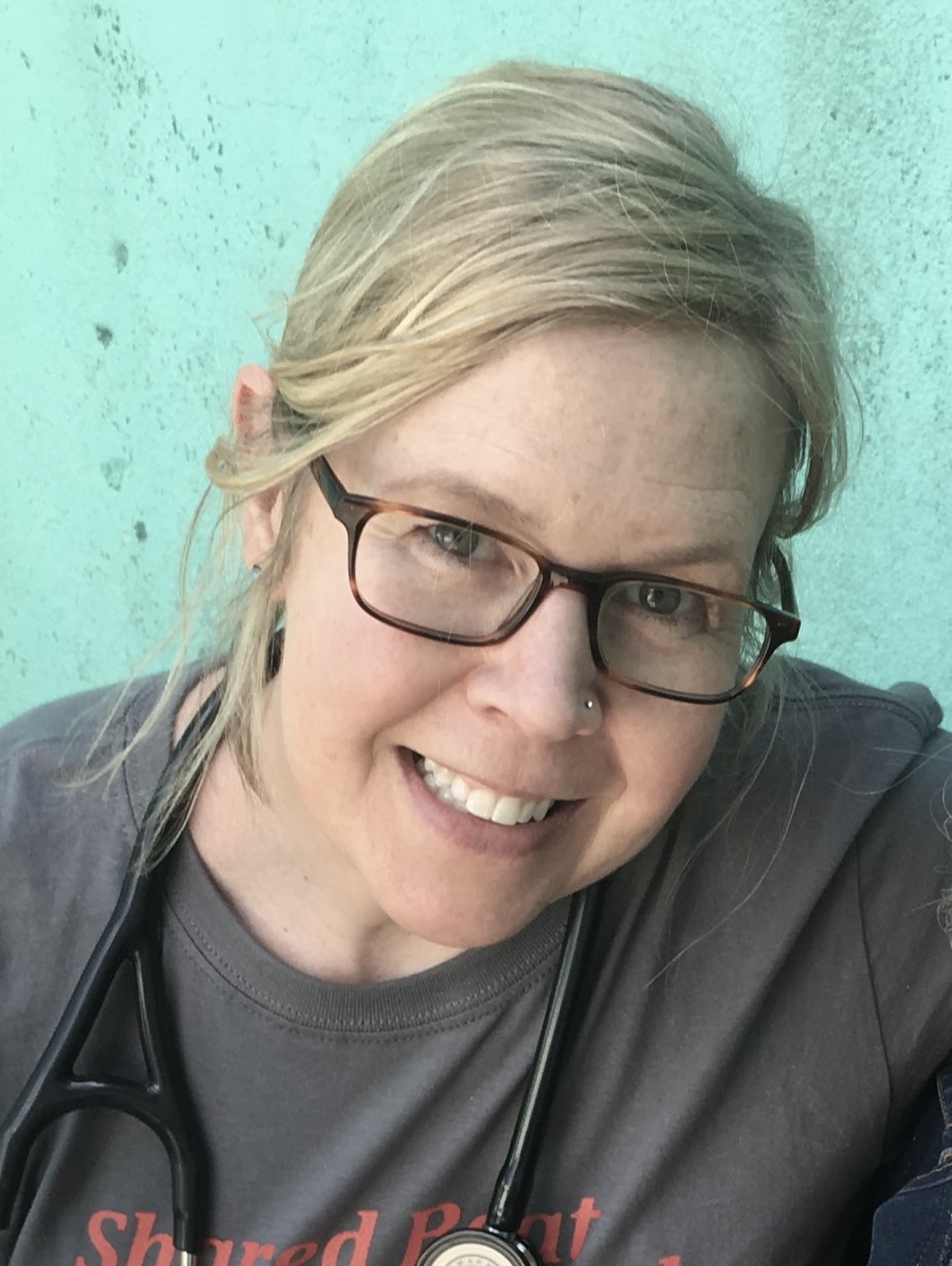
The current ANS article is titled ““I’ve Never Been to a Doctor”: Health Care Access for the Marshallese in Washington State” authored by Robin A. Narruhn, PhD, MN, RN and Christine R. Espina, DNP, MN, RN. The article is available to download at no cost while it is featured! We welcome your feedback and comments here. Dr. Narruhn provided this background about the article:
The genesis of this article arose out of the health inequities I was seeing in my community when Public Health Seattle King County asked me to assist in follow-up with several community members because of my role as a nurse, researcher, and Marshallese (Ri Majol) community member.
The Marshallese diaspora began in full force in the 1990s. The drive to immigrate is related to historical factors including multiple colonizations, militarization, the nuclear testing from 1946 to 1958, and disparate effects of climate change, all leading to poverty and poor health outcomes. The diaspora is driven by the search for life opportunities such as education, health care, and jobs.
Growing up as one of the few Marshallese in Washington state before the diaspora, meant I was shielded from the realities of present-day life for many Marshallese. I questioned why it was so difficult for healthcare providers to follow-up with my community members when I had little difficulty in contacting and assisting with follow-up appointments. Thus, this study aimed to understand the barriers Marshallese people in Washington state faced while seeking healthcare.
We conducted semi-structured open-ended interviews with 12 participants, 9 Marshallese community members, and 3 service providers who worked closely with the community. A medical interpreter was enlisted for 3 interviews. We used content analysis with in-vivo coding.
Two areas of findings emerged 1) healthcare access and equity, and 2) historical trauma and embodiment. Themes from the healthcare access and equity included 1) ongoing effects of radiation, 2) repeated denial of services, 3) lack of healthcare and insurance, 4) lack of interpretation, and 5) poverty. Themes from historical trauma and embodiment included illness and early mortality, (2) service providers’ lack of knowledge and understanding of the Marshallese peoples, (3) structural racism, (4) feelings of sadness and despair, (5) shyness and humility, and (6) a sense of “cannot/will not” and fatalism. While these findings emerged from our study, we also found that re-visiting the data in an abductive manner led to further findings that revealed, on a more profound level, the structural factors, such as the role of epistemic injustice, biopower, slow violence, and survivance. That article is in process.
We were intentional about the use of in-vivo coding as I was concerned about bias related to insider-outsider research tensions and my ancestry. Researchers can simultaneously be both insider and outsider (Dwyer, & Buckle, 2009) and I went through phases of feeling like both an insider and outsider. There are advantages to walking a tightrope of multiple perspectives, although the cognitive dissonance can be unsettling. This position of being both insider and outsider should be seen as a strength rather than a deficit. It is both odd and telling that I initially perceived it as a deficit. What messages from the academy have I internalized? I think this research could not have occurred without my connection to the community. The gaps between the experience of being Marshallese and most academics are simply too large to be traversed to establish access to the community, rapport, trust, and understanding of the lived experience.
As we wrote, we strived to avoid what Eve Tuck calls “damage-centered research that operates, even benevolently, from a theory of change that establishes harm or injury in order to achieve reparation” (Tuck, 2009, p. 413). Tuck encourages us to engage in desire-based research – which is “concerned with understanding complexity, contradiction, and the self-determination of lived lives” (Tuck, 2009, p. 416). Desire-based research is concerned with “depathologizing the experiences of dispossessed and disenfranchised communities so that people are seen as more than broken and conquered…even when communities are broken and conquered, they are so much more than that—so much more that this incomplete story is an act of aggression”. (Tuck, 2009, p. 416). We are planning the next phase of research.
The reflective processes we used made the writing process slower and deeper. There is a richness in this kind of work that cannot be adequately conveyed to a reader with a highly Eurocentric ontology and epistemology. Unlike more traditional research our processes required us to feel, not only think. The emotional labor of giving witness to our participant’s words was surprising at first, and as we settled into the process, we became more deliberate and gave it the gravity it deserved. Some of the participant’s quotes brought us to tears, wonder, and awe. Many of these findings arose because of our indigenous epistemologies and ontologies as Marshallese and Filipino academics and community members. If I had been working with someone from a dominant ontology with a positivist outlook this work would never have been possible. Shawn Wilson, an Indigenous researcher explains, “Relationships don’t just shape Indigenous reality, they are our reality. Indigenous researchers develop relationships with ideas in order to achieve enlightenment in the ceremony that is Indigenous research. Indigenous research is the ceremony of maintaining accountability to these relationships” (Wilson, 2008, p.7). I could not have done this without the strength, grace, and wisdom of my co-author, Christine Espina.
I am ambivalent about sharing our indigenous Pasifiki ontology and epistemology. I look forward to the day when our ancestral, multigenerational, and dynamic, indigenous ontologies and epistemologies are valued enough that I can share all the richness of this research without being criticized as non-rigorous. I am gratified because I believe our ancestors were talking to us through this research. It is something sacred to learn from our ancestors. We could learn so much from our indigeneity, ontologies, and epistemologies. This is not to glamorize or idolize the past or our culture, but when I think of how my ancestors survived one of the most horrendous, atrocious traumas and how so many of us continue to show empathy and compassion to others, I cannot help but believe our world needs to listen and learn, given that at this moment in time we are on the edge of ecological collapse and war.
References
Dwyer, S. C., & Buckle, J. L. (2009). The Space Between: On Being an Insider-Outsider in Qualitative Research. International Journal of Qualitative Methods, 8(1), 54-63. https://doi.org/10.1177/160940690900800105
The current featured article in ANS is titled “What Science Leaves Unsaid: A Reconsideration in 2 Voices” by Geraldine Gorman, PhD, RN and Shirley Stephenson, MS, FNP-BC. The article is available to download at no cost while it is featured. Here is a message from the authors about the significance of their work, the article abstract, and a brief bio for each of the authors!
As Nursing has long been lauded as a profession both ‘art and science,’ it is time we recognize the essential role the Humanities play in deepening our understanding of the human experience. We attest that the Humanities complete the Sciences. Our article testifies to the varied ways practice, education and professional retention benefit from the arts and from reflective engagement.
Geraldine Gorman and Shirley Stephenson
Abstract At a time when new and veteran nurses are fleeing the profession and the term resilience is as worn out as the workers it is meant to inspire, scholars and educators must excavate the intuitive and creative core of nursing. Science addresses facts but lacks language for nuance. This article asserts that nursing, which lags behind medicine in appreciating the value of its stories, must recognize the essential diversity the humanities bring to our understanding of the human condition. As workforce deficits, moral distress, and vicarious trauma proliferate, a consilience between the art and science of nursing and a reminder of their ability to potentiate one another are overdue.
Geraldine Gorman is a Clinical Professor and Kathleen M. Irwin Endowed Chair in Outstanding Clinical Practice in the College of Nursing at the University of Illinois-Chicago. She teaches public health nursing, cultural fluency and ethics and the grief, loss and dying course in the hospice/palliative care certificate program. She has also designed a primary prevention of war elective. She is a member of the American Public Health Association and through the Peace Caucus, is a founding member of the Primary Prevention of War group. Together they have published an article and textbook on primary prevention. Dr. Gorman is an advocate for the inclusion of the humanities in nursing education and practice. She has an MA in English literature and practices as a hospice nurse.
Shirley Stephenson
Shirley Stephenson is a poet and family nurse practitioner. She is a primary care provider at the Mile Square Health Center on Chicago’s west side, and she serves as the medical clinician and sub-investigator for a National Institute on Drug Abuse clinical trial on cocaine use disorders. Her clinical focus includes substance use treatment and HIV prevention. She is a didactic coordinator for the Integrated Substance Use Disorder Fellowship at the University of Illinois Chicago (UIC), where she was recently appointed the Poet-in-Residence for the Institute for Research on Addictions. Shirley is pursuing her PhD in UIC’s Program for Writers. Her belief is that the humanities remind us of our interconnectedness.
“Everything I do has an equity lens … far too long we’ve had health disparities in the Black community, and at this point, we keep having the same conversations, and so I think that as a Black nurse scientist, I have a lived experience that is as equally important as the science. We have to get to a point where we recognize our lived experience as being experts in that space and so, really just wanting to be a trusted partner in the community and to be able to conduct research, not for the purposes of my own benefit, but for the benefit of the community truly”
Illuminating the Contributions of African American Nurse Scientists Despite Structural Racism Barriers: A Qualitative Descriptive Study
Dr. Marie Campbell Statler
My research program aims to eradicate health disparities in some of the most affected African American communities. To achieve this goal, I aim to design and implement asset-based health promotion interventions that prioritize the needs of research participants and their communities. As an African American nurse scientist, I draw on my lived and prior experience as a research nurse to explore the factors that influence African Americans’ participation in health research, despite a history of abuse and distrust. I believe that research can play a significant role in addressing health disparities by recognizing and confronting the historical and social factors that have contributed to these disparities. Furthermore, my work is grounded in a deep understanding of the shared cultural experiences of Black communities and the historical context that shapes their health outcomes.
This study was conducted during a period where increased initiatives to diversify the nursing workforce were met with a renewed efforts to address structural racism and discrimination. In a quest to better understand the bidirectional relationship between African American nurse scientists and African American research participants in health research and how their relationships influence research participation. Extant literature found the roles of African American nurse scientist’s including their relationship dynamics with African American research participants, shared barriers faced with structural racism, and contributions to science was limited. As part of a larger study that included thirty-three research participants, I sought to describe African American Nurse Scientist experiences through a race-conscious lens.
A qualitative description methodological approach provided the rich descriptions of African American Nurse Scientist experiences. (Crenshaw et al., 1995; Green & Thorogood, 2018; Neergaard et al., 2009; Sandelowski, 2000). This study used researcher reflexivity and a deep historical reexamination to examine the perspectives of African American nurse scientist interactions with African American research participants. This article offers to a growing body of scientific knowledge that advances our understanding of systemic racism and anti-racist theory. Moreover, the study identified several themes, including the obstacles faced by African American nurse scientist as doctoral students, their cultural experiences with structural racism, their role as designers of culturally sensitive research, and the importance of humanitarian respect and relationship depth with their research participants. This publication offers recommendations for nursing education and research policy reevaluation that can be utilized for actionable change to reduce barriers faced by African American nurse scientists that will ultimately impact African American health disparities.
I would like to thank my co-authors, Dr. Susan Kools, Dr. Barbra Mann Wall, Dr. Jeanita W. Richardson, and Dr. Randy A. Jones for their inspiration and collaboration. I am deeply grateful for their mentorship, expertise, and encouragement!
References
Crenshaw K., Gotanda N., Peller, G., & Thomas, K. (Ed.) (1995). Critical Race Theory: The Key Writings That Formed the Movement. New York, NY: The New Press.
Green, J. & Thorogood, N. (2018). Qualitative Methods for Health Research: 4th Edition. Thousand Oaks, CA. SAGE.
Neergaard, M. A, Olesen, F., Andersen, R. S., & Sondergaard, J. (2009). Qualitative description: Poor cousin of qualitative health research? BMC-Medical Research methodology, 9, 52-56. doi: 10.1186/1471-2288-9-52
Sandelowski, M. (2000). Focus on research methods: Whatever happened to qualitative description? Research in Nursing & Health, 23, 334-340. https://doi- org.proxy01.its.virginia.edu/10.1002/1098-240X(200008)23:4%3C334::AID- NUR9%3E3.0.CO;2-G
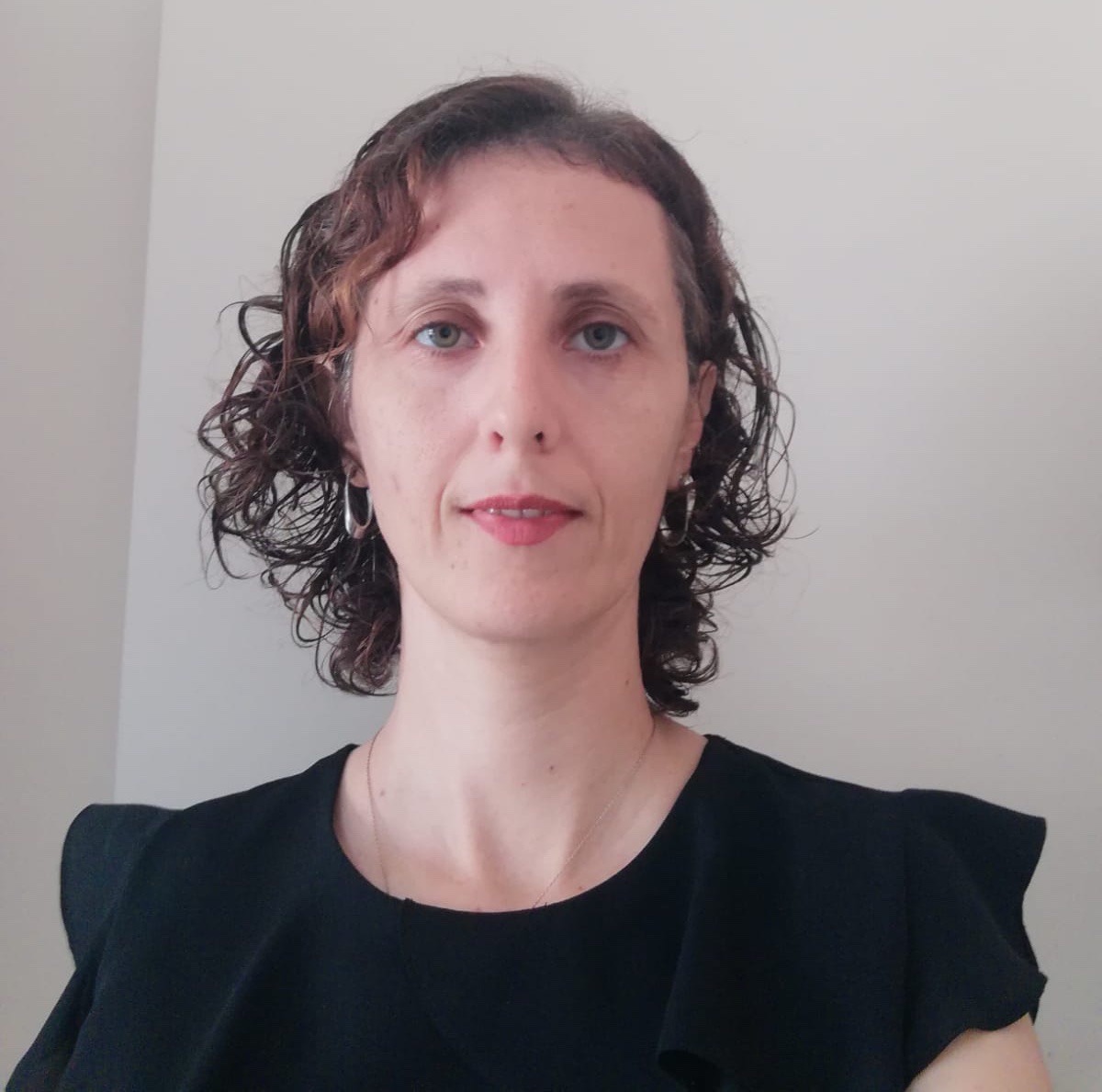
Our current featured article is authored by Selma Turan Kavradim, PhD; Şefika Tuğba Yangöz, PhD; and Zeynep Ozer, PhD, titled Research Trends and Hot Topics on Virtual Reality in Nursing: A Bibliometric Analysis Using CiteSpace. Drs Turan Kavradim and Ozer are from the Department of Internal Medicine Nursing, Faculty of Nursing, and Akdeniz University, Antalya, Turkey. Dr Yangöz is from the Department of Internal Medicine Nursing, Faculty of Health Sciences, Pamukkale University, Denizli, Turkey. This article is available to download at no cost while it is featured! Dr. Turan Kavradim provided this background information about their article:
We conducted this bibliometric analysis to provide a comprehensive overview of the development of virtual reality in nursing and to identify research trends and current issues in this field. Virtual reality applications in nursing have been making great progress in recent years, and the number of studies continues to increase over the years. Bibliometric studies can make it easier to master the field by summarizing large amounts of data. By identifying gaps in the field, it can provide important data to researchers, educators, and health professionals in planning new studies, and most importantly, it can guide the realization of collaborations. We have seen that recently published bibliometric studies on virtual reality do not adequately reflect the current situation due to various limitations, so we decided to conduct this research. We obtained important data during this research process, which started with the idea of introducing the roles of virtual reality in the nursing discipline, revealing the most studied areas and collaborations, and identifying research trends, current issues, and gaps in this field. We are excited to share this article and hope that our research results can benefit researchers, educators, and healthcare professionals.
The following editorial is apearing in more than 200 medical journals worldwide between October 25th, and the end of 2023. We are joining this international action to draw attention to the climate and nature crisis.
Over 200 health journals call on the United Nations, political leaders, and health professionals to recognise that climate change and biodiversity loss are one indivisible crisis and must be tackled together to preserve health and avoid catastrophe. This overall environmental crisis is now so severe as to be a global health emergency.
The world is currently responding to the climate crisis and the nature crisis as if they were separate challenges. This is a dangerous mistake. The 28th Conference of the Parties (COP) on climate change is about to be held in Dubai while the 16th COP on biodiversity is due to be held in Turkey in 2024. The research communities that provide the evidence for the two COPs are unfortunately largely separate, but they were brought together for a workshop in 2020 when they concluded that: “Only by considering climate and biodiversity as parts of the same complex problem…can solutions be developed that avoid maladaptation and maximize the beneficial outcomes.”[1]
As the health world has recognised with the development of the concept of planetary health, the natural world is made up of one overall interdependent system. Damage to one subsystem can create feedback that damages another—for example, drought, wildfires, floods and the other effects of rising global temperatures destroy plant life, and lead to soil erosion and so inhibit carbon storage, which means more global warming. [2] Climate change is set to overtake deforestation and other land-use change as the primary driver of nature loss. [3]
Nature has a remarkable power to restore. For example, deforested land can revert to forest through natural regeneration, and marine phytoplankton, which act as natural carbon stores, turn over one billion tonnes of photosynthesising biomass every eight days. [4] Indigenous land and sea management has a particularly important role to play in regeneration and continuing care. [5]
Restoring one subsystem can help another—for example, replenishing soil could help remove greenhouse gases from the atmosphere on a vast scale. [6] But actions that may benefit one subsystem can harm another—for example, planting forests with one type of tree can remove carbon dioxide from the air but can damage the biodiversity that is fundamental to healthy ecosystems. [7]
The impacts on health
Human health is damaged directly by both the climate crisis, as the journals have described in previous editorials, [8,9] and by the nature crisis. [10] This indivisible planetary crisis will have major effects on health as a result of the disruption of social and economic systems—shortages of land, shelter, food, and water, exacerbating poverty, which in turn will lead to mass migration and conflict. Rising temperatures, extreme weather events, air pollution, and the spread of infectious diseases are some of the major health threats exacerbated by climate change. [11] “Without nature, we have nothing,” was UN Secretary-General António Guterres’s blunt summary at the biodiversity COP in Montreal last year. [12] Even if we could keep global warming below an increase of 1.5◦C over pre-industrial levels, we could still cause catastrophic harm to health by destroying nature.
Access to clean water is fundamental to human health, and yet pollution has damaged water quality, causing a rise in water-borne diseases. [13] Contamination of water on land can also have far-reaching effects on distant ecosystems when that water runs off into the ocean. [14] Good nutrition is underpinned by diversity in the variety of foods, but there has been a striking loss of genetic diversity in the food system. Globally, about a fifth of people rely on wild species for food and their livelihoods. [15] Declines in wildlife are a major challenge for these populations, particularly in low- and middle-income countries. Fish provide more than half of dietary protein in many African, South Asian and small island nations, but ocean acidification has reduced the quality and quantity of seafood.[16]
Changes in land use have forced tens of thousands of species into closer contact, increasing the exchange of pathogens and the emergence of new diseases and pandemics. [17] People losing contact with the natural environment and the declining loss in biodiversity have both been linked to increases in noncommunicable, autoimmune, and inflammatory diseases and metabolic, allergic and neuropsychiatric disorders. [10,18] For Indigenous people, caring for and connecting with nature is especially important for their health. [19] Nature has also been an important source of medicines, and thus reduced diversity also constrains the discovery of new medicines.
Communities are healthier if they have access to high-quality green spaces that help filter air pollution, reduce air and ground temperatures, and provide opportunities for physical activity. [20] Connection with nature reduces stress, loneliness and depression while promoting social interaction. [21] These benefits are threatened by the continuing rise in urbanisation. [22]
Finally, the health impacts of climate change and biodiversity loss will be experienced unequally between and within countries, with the most vulnerable communities often bearing the highest burden. [10] Linked to this, inequality is also arguably fuelling these environmental crises. Environmental challenges and social/health inequities are challenges that share drivers and there are potential co-benefits of addressing them. [10]
A global health emergency
In December 2022 the biodiversity COP agreed on the effective conservation and management of at least 30% percent of the world’s land, coastal areas, and oceans by 2030.[23] Industrialised countries agreed to mobilise $30 billion per year to support developing nations to do so.[23] These agreements echo promises made at climate COPs.
Yet many commitments made at COPs have not been met. This has allowed ecosystems to be pushed further to the brink, greatly increasing the risk of arriving at ‘tipping points’, abrupt breakdowns in the functioning of nature.[2,24] If these events were to occur, the impacts on health would be globally catastrophic.
This risk, combined with the severe impacts on health already occurring, means that the World Health Organization should declare the indivisible climate and nature crisis as a global health emergency. The three pre-conditions for WHO to declare a situation to be a Public Health Emergency of International Concern [25] are that it: 1) is serious, sudden, unusual or unexpected; 2) carries implications for public health beyond the affected State’s national border; and 3) may require immediate international action. Climate change would appear to fulfil all of those conditions. While the accelerating climate change and loss of biodiversity are not sudden or unexpected, they are certainly serious and unusual. Hence we call for WHO to make this declaration before or at the Seventy-seventh World Health Assembly in May 2024.
Tackling this emergency requires the COP processes to be harmonised. As a first step, the respective conventions must push for better integration of national climate plans with biodiversity equivalents. [3] As the 2020 workshop that brought climate and nature scientists together concluded, “Critical leverage points include exploring alternative visions of good quality of life, rethinking consumption and waste, shifting values related to the human-nature relationship, reducing inequalities, and promoting education and learning.” [1] All of these would benefit health.
Health professionals must be powerful advocates for both restoring biodiversity and tackling climate change for the good of health. Political leaders must recognise both the severe threats to health from the planetary crisis as well as the benefits that can flow to health from tackling the crisis. [26] But first, we must recognise this crisis for what it is: a global health emergency.
Kamran Abbasi, Editor-in-Chief, BMJ; Parveen Ali, Editor-in-Chief, International Nursing Review; Virginia Barbour, Editor-in-Chief, Medical Journal of Australia; Thomas Benfield, Editor-in-Chief, Danish Medical Journal; Kirsten Bibbins-Domingo, Editor-in-Chief, JAMA; Stephen Hancocks, Editor-in-Chief, British Dental Journal; Richard Horton, Editor-in-Chief, The Lancet; Laurie Laybourn-Langton, University of Exeter; Robert Mash, Editor-in-Chief, African Journal of Primary Health Care & Family Medicine; Peush Sahni, Editor-in-Chief, National Medical Journal of India; Wadeia Mohammad Sharief, Editor-in-Chief, Dubai Medical Journal; Paul Yonga, Editor-in-Chief, East African Medical Journal; Chris Zielinski, University of Winchester.
The essential purposes of ANS are to advance the development of nursing knowledge and to promote the integration of nursing philosophies, theories and research with practice. We expect high scholarly merit and encourage innovative, cutting edge ideas that challenge prior assumptions and that present new, intellectually challenging perspectives. We seek works that speak to global sustainability and that take an intersectional approach, recognizing class, color, sexual and gender identity, and other dimensions of human experience related to health.
This journal is a member of, and subscribes to the principles of, the Committee on Publication Ethics (COPE) www.publicationethics.org
The ANS Blog provides a forum for discussion of issues raised in the articles published in Advances in Nursing Science. We welcome all authors and readers to post your comments and ideas on the blog! If you would like to be an author on this blog, let us know!
The journal Editor is Peggy L. Chinn, RN, PhD, FAAN. Dr Chinn founded the journal in 1978.










 ANS: Advances in Nursing Science Blog