Ageism in Nursing Care
Our current featured article is titled “Ageism in the Nursing Care of Older Adults: A Concept Analysis” authored by Ammar Hammouri, MSN, RN; Murad H. Taani, PhD, MPH, RN; and Julie Ellis, PhD, RN. While this article is featured it is available for free download from the ANS website. Mr. Hammouri has shsared this background about the article for ANS readers:
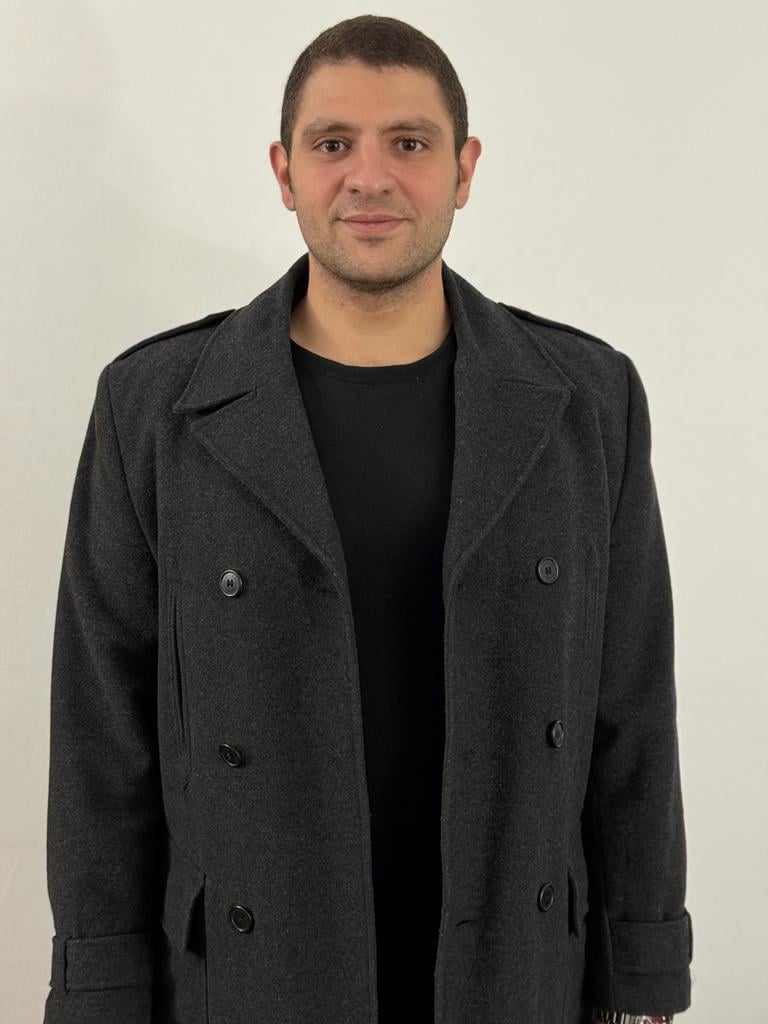
My program of research aims to improve older adults’ physical function, mental health, and quality of life. One of the most pervasive issues that affects the health and well-being of the aging population and represents a significant threat to successful and healthy aging is ageism.
Ageism is reported to be the most common, socially condoned, and institutionalized type of discrimination in the United States. Unlike other types of discrimination, like racism or sexism, ageism tends to be insidious, because most often, it goes unrecognized and/or unchallenged by societal norms due to its implicit nature.
Regrettably, ageism is pervasive and entrenched in our health care settings. Despite its prevalence, it is still unrecognized by many healthcare providers including nurses. Evidence shows that such ageist attitudes tend to decrease the quality of healthcare provided to older adult patients compared to their younger counterparts. I believe that part of fixing a problem is to admit its existence in the first place. This concept paper will assist nurses in understanding the causes and consequences of ageism. It will aid policy makers in developing policies and interventions to help decrease ageism in health care settings.
I believe that this paper will lay the foundation for my current and future research focusing on decreasing ageism in healthcare, improving older adults’ adherence to health behaviors, delaying their transfers to long-term healthcare facilities, and decreasing healthcare costs.
I ama currently a PhD candidate at College of Nursing, University of Wisconsin-Milwaukee. I would like to thank my advisors and co-authors Dr. Julie Ellis and Dr. Murad Taani for their valuable input. I am deeply grateful for their mentorship, expertise, and continuous support.




 ANS: Advances in Nursing Science Blog
I agree with what I’m reading. I’m a nurse of over 35yrs and almost 60. I’ve worked in long term care, among other areas during my career. The cost of healthcare as a whole is outrageous, but with an aging population who survive on social security, the costs are too great to meet their income needs. In my area, Phoenix metro, along the homeless population I’ve noticed in the last several years, elderly living on the street and panhandling. The stories I’ve heard from elders doing what they can to get money for their medical needs, it’s sad and very scary. Working in institutions over the years, I’ve seen a decline in care and passion not just among those younger but especially among the elder population over 65. It’s not just the medical team of doctors, nurses, CNAs, etc., that I see the decline but in the system as a whole. Patient to nurse ratios have been in the news for years and it’s getting worse. I see a focus more on the younger patients than the older. But my nurse background wants to support the fact triage is the focus not the age. I also want to point out, what I’ve learned from the medical professionals over the years; elderly are more sensitive to the medications prescribed to them. There is entirely over prescribing, polypharmacy among the elderly. In today’s technology I feel it’s sad that the medical professionals don’t communicate with others regarding their patients. One elderly patient may have 5-6 doctors all prescribing meds, and no one keeps track of this: not the medical professionals, the pharmacies, or the patients. Don’t get me wrong, medical professionals have restraints as well on the care they provide. Numerous times I’ve had medical providers tell me they are required in an acute setting, move patients in and out fast. More patients more money for the institution. Doctors are seldom spending more than 10 minutes per patient. Who can read 40-100 patients charts in that length of time? Another doctor told me they are forced to make patients accountable for their own medical care by being educated and proactive. So now their medical care good or bad is their fault? Doesn’t make sense. How many of these elderly patients are forgetful, have delusions, or confusion at times? Much less, their ability to use networking and computer skills for many. I as a nurse and a patient have had to be proactive and research for my own medical needs. Unfortunately, I fall victim to this trap as well. Doctors don’t even look at my allergies or previous medical history when a problem occurs. Each time I see a doctor I have to give them 40 yrs plus of medical history and why I am seeking care for that day, in less than 5 min because the remaining 5 min is for the provider to do their job. Now focus on the other part of money and power for healthcare: insurance companies. Too many sad stories to mention, but I’ve witnessed a medical provider prescribing care for the patient and the insurance companies decline the request or the patient pays out of pocket hundreds and thousands of dollars, even when life threatening. I’m sure insurance companies control the decisions to keep medical providers from wasting money, over prescribing, fraud, and such; and the insurance company is paying the bill they have the right to refuse. I wish I had the solution-but centuries this has been a problem, and it’s not going away but getting worse. Thank you for your time. I’ve enjoyed your paper. Good luck in your future.