Skip to content

Posts from the ‘Featured Articles’ Category

Health Change Trajectory Model


The discipline of nursing now has a growing and rich body of theoretical models that provide useful perspectives from which we can build practices addressing some of the most pervasive health challenges we and our patients face.  These models also facilitate the design and implementation of research projects that add to the evidence required for effective outcomes of practice.  Our current featured article is an example!  The title is “The Health Change Trajectory Model: An Integrated Model of Health Change” by Deborah Christensen, BSN, RN.  Here is a message Ms. Christensen has prepared for the ANS blog:

Health change appraisal is unique to each individual with dynamic changes across the lifespan. To promote understanding of evolution and change in health care appraisal, I developed the Health Change Trajectory Model by
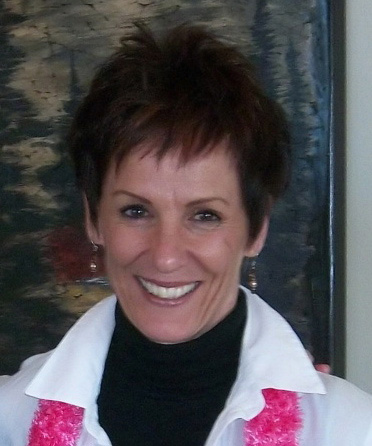
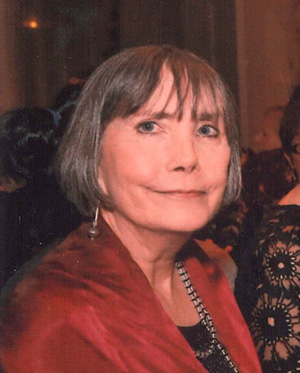
Deborah Christensen

Deborah Christensen

integrating concepts from uncertainty in illness and illness trajectory theories. The integrated model is applicable to any change in health, not just the occurrence of chronic illness.

Nurses are the key health care providers who assist others in understanding and coping with health changes. Placing the experience of health change in a trajectory framework offers a new and creative perspective for nurses as they assist patients and families with positive adaptation to changes in health throughout the life course. Conceptualizing the nurse as health change management partner emphasizes the nurse and patient/client partnership with patients clearly in charge of shaping their health management trajectory.

Studies from uncertainty in illness theory indicate that there are phases when uncertainty can be perceived as an opportunity rather than a threat. For example, in several types of cancer there are periods of remission (comeback phase) interrupted by disease progression (acute or downward phase). Through genomic research and the development of targeted and immunotherapies, patients may have several different treatment options that can be perceived as opportunities. Further, the experience of decreased energy in the absence of illness can be perceived as a threat or as an opportunity for positive changes in physical activity and nutrition. How is uncertainty perceived in these situations? How can uncertainty as opportunity be supported? I believe that in answering these questions, nursing interventions can be developed to help patients move toward adaptation and a balanced perceptual shift from threat to opportunity in uncertainty, thus, optimizing their health change trajectory. The Heath Change Trajectory Model provides the theoretical framework for exploration of all perceived health changes, not just those specific to chronic illness, as unique opportunities for a more optimistic view of health change.

This article will be featured on the ANS web site for the next couple of weeks and will be available at no charge while it is featured!  So please visit the web site to get your copy, and come back to this blog and share your feedback and ideas!  We would be delighted to hear from you!

Shifting the discourse around large bodies


Ingrid Ruud Knutsen, RN, PhD from Oslo and Akershus University College of Applied Sciences and University of Oslo, Norway is the author of our current featured article that explores the health consequences of contemporary society’s views about large bodies.  The article is titled “A Discursive Look at Large Bodies—Implications for Discursive Approaches in Nursing and Health Research.  Dr. Knutsen shared this message for ANS readers about her work:

How have we come to understand obesity as an illness that is treated by surgery and medication in contemporary healthKnutsen300 care? Through research projects, I have experienced that people in large bodies often feel stigmatized, especially by health professionals. There are reasons to question whether the general attitude towards people in large bodies represent a greater challenge than the large body itself for obese people. For what is health? – is it happy, self-confident people enjoying life and their opportunities or is it people striving towards a perfect exterior? For scientists it is important sometimes to stop and question premises for our knowledge, conditions and situations, to reflect about whether we could serve patients better by approaching them in other ways and understand their situations through alternative perspectives. A reflective and critical approach related to how to challenge understandings we take for granted represents an important angle in research. Discursive perspectives and discourse analysis are based on an epistemology welcoming other questions and new approaches to challenge traditional knowledge and understandings. Such perspectives give opportunity to enrich research in nursing and health.

We would be delighted to see your comments and responses appear here!  You can download your copy of Dr. Knutsen’s article while it is featured on the ANS web site, then come back here to leave your comments!

Social Withdrawal and Migraine Headaches


Starting on March 18th, a new article will be featured for free download from the current issue of ANS!  The article, titled “Social Withdrawal as a Self-Management Behavior for Migraine: Implications for Depression Comorbidity Among Disadvantaged Women,”  is authored by Shawn M. Kneipp, PhD, RN, ANP-BC, APHN-BC and Linda Beeber, PhD, RN, CS, FAAN.  Recognizing social withdrawal as a distinct, highly nuanced coping strategy in
symptom self-management, they explore its relevance for understanding migraine-depression symptoms within the life context of socially and/or economically disadvantaged women.  They recommend further nursing research  that draws from complexity science theory and methods to better understand these dynamics and ultimately improve care.  Dr. Kneipp  shared this message about their work for ANS readers:

I would not have expected to be writing on this topic two years ago.  As is frequently the case with scientific inquiry, however, unexpected study findings, combined with ongoing clinical work and research with women who are socioeconomically disadvantaged, led me down this path.  The unexpected findings came from a

Shawn Kneipp

Shawn Kneipp

clinical trial with women in a Welfare Transition Program (WTP), which suggested headaches may be associated with job loss in the previous year.  Given the erosion of economic safety nets in the U.S. generally, and the current limits on economic assistance receipt through the Temporary Assistance for Needy Families (TANF, or ‘welfare’) program more specifically, obtaining and maintaining employment has become an even more critical social determinant of health for women who are socioeconomically disadvantaged.

Linda-Beeber-e1380548224649

Linda Beeber

From a number of prior studies, we have also known for a while that depression is highly prevalent in this group, that depression impedes women’s ability to function in the workplace, and that depression is most often present in the context of other chronic health conditions.  Despite this, there are large gaps in the literature on headache symptoms (predominantly migraines for women) in relation to socioeconomic status and self-management, in the context of other highly prevalent disorders (i.e., depression), and the associated morbidity in terms of work-related functioning.  This recognition, informed by clinical observation of how this population was often managing their migraine-related symptoms as they struggle to perform well at work, was the driving force in wanting to begin to pull the relevant disease-trajectory and self-management theoretical pieces surrounding this issue together.

The theoretical perspectives offered in this article underlie a current pilot study we are conducting to determine the feasibility of a novel data collection approach to further examine how disadvantaged women self-manage migraine symptoms. As with the majority of my research, women from the community of interest are playing a crucial advisory role in designing, conducting, and interpreting the findings from the pilot work. Given the preliminary feasibility findings, and looking to our future work in this area, nurse researchers have a great deal to contribute in the way of both theory and intervention development and testing to better manage comorbid health conditions, improve work-related functioning, and improve their odds of achieving economic self-sufficiency.

Go to the ANS web site now to download your copy of this article – it is important both in content and method.  then come back here and share your thoughts, questions and ideas – we would be delighted to hear from you!

Understanding Survivor Guilt


Our current featured article addresses the meaning of survivor guilt, and by understanding this experience, seek effective ways to alleviate the suffering that comes to those who experience it.  The article is titled “Survivor Guilt: Analyzing the Concept and its Contexts”  The authors, Sadie Pauline Hutson, PhD, RN, WHNP, BC, Joanne M Hall, PhD, RN, FAAN, and Frankie Lane Pack, BA have provided the following commentary about their work, including a digital story video for ANS readers!

Survivor guilt, as presented in our analysis, is not monolithic. It manifests in many diverse temporal and situational contexts. It may be anticipatory or emerge years after the loss was experienced. The manifestation of survivor guilt is complex, in part, because the response is highly individualized. The following digital story demonstrates anticipatory and

“loss-in-process” forms of survivor guilt. After the video, Sadie Hutson offers a reflection on the nature of her survivor guilt, and how it is, presently, to remember the events surrounding the death of her mother, Joy.

“On its surface, this digital story may not seem like a characterization of survivor guilt; yet it underscores the expansion of this concept to include varied contexts. As a child, I remember feeling isolated and alone. I polished my mom’s toes as she lay dying as if to say, “this is no longer a luxury my mom will be able to enjoy.” I anticipated

events that she would miss and sometimes even imagined what I might feel when that time came. As I approach and experience various life milestones, feelings of guilt reinforce that my mother was cheated. I was cheated. Yet, I survived to tell the story.

This concept analysis relates to our scholarship in varied ways. First, the authors of this paper are also study team members on a National Institute of Nursing Research funded R21 (5R21NR014055-02) aimed at exploring end-of-life care and service needs of persons living with HIV/AIDS in Appalachian Tennessee and Alabama. In conducting this mixed-methods study, we noted the importance of survivor guilt when individuals discussed the guilt they felt for

Sadie Hutson

Sadie Hutson

surviving decades longer than many of their close friends, relatives, and significant others who lost their lives at the height of the AIDS epidemic. In Hutson’s work as the director of a hereditary cancer risk assessment program in Pikeville, KY, survivor guilt continues to be pervasive (as it was when the concept first became a focus for Hutson in 2001) among individuals who test negative for the known hereditary cancer gene present in their family. Rather than feeling relief for being spared, these individuals experience guilt for being the “lucky one,” citing that the result often drives a wedge in the relationships between mutation-positive and mutation-negative family members. Survivor guilt is also relevant to Dr. Hall’s work with female survivors of childhood maltreatment (R01NR07789). In these data, often the thriving survivor of a chaotic and abusive situation expressed feelings of guilt for leaving behind siblings who did not become successful in life and were still “stuck” in the trauma, sometimes still living with the perpetrators or abusive partners.

Nurses encounter the trauma of survivor guilt in many situations, yet they may not always see it, if the lens through which it is viewed is too narrow. Nurses must first see survivor guilt. After we have seen it in a particular context,

Joanne Hall

Joanne Hall

situation-specific theory can be developed to better characterize the survivor guilt and guide interventions to mitigate the fallout in that context. Perhaps, digital storytelling is one such strategy. It is salient that the same strategies will not work for all. Survivor guilt can be highly damaging, or wilted to being merely a form of nostalgia. We need to understand the process by which individuals resolve their own survivor guilt, as well as therapeutic strategies that fend off traumatic guilt that can be paralyzing, isolating, and disempowering. This will mobilize sufferers to move forward into the fulfilling lives they deserve.

While their article is featured, you can download it at no cost.  So visit the ANS web site now to get your copy, read the article, and return here to share your thoughts and ideas about this very thought-provoking article!

Preventing Sudden Infant Death Syndrome (SIDS)


Our current featured article is by Sherri L. McMullen, PhD, RN, NNP-BC and Mary G. Carey, PhD, RN, CNS  title “Predicting Transition to the Supine Sleep Position in Preterm Infants.”  Their article demonstrates how good nursing care, focused on anticipating the needs of families after discharge from the hospital, can make a difference – even to the point of preventing a SIDS death.  Dr. McMullen shared this message about her article, which is based on her dissertation research:

Thank you for your interest in our article entitled “Predicting Transition to the Supine Sleep Position in Preterm Infants.” This article is work related to my PhD dissertation research and I am passionate about the topic. I had the privilege of meeting Peggy at the 2014 National League for Nursing Writing Retreat in Phoenix and I am so pleased to see my McCullen-300manuscript in press. I have been a Neonatal Nurse Practitioner for over 20 years and I decided to extend my expertise to include academia and research. I miss my submersion in clinical, but think it’s really important to research clinical practice to continually improve the care we provide patients. So much of the care we offer to our smallest patients impacts them after hospital discharge.

Positioning preterm infants supine while hospitalized and after discharge is an important aspect of infant care and its relatively new topic with little research completed to date. Preterm infants are positioned in a variety of positions while in the neonatal intensive care unit to promote optimal neurodevelopment. The preterm infant’s musculoskeletal system is pliable with risks of deformity with suboptimal positioning. The supine position is an important modifiable practice that reduces the risk of sudden infant death syndrome after hospital discharge. The retrospective research completed shows there is great variability in the clinical practice and there are three factors that predict a greater than one week transition to the supine position before hospital discharge. More research is needed to determine the optimal timing of transition and what developmental impact this transition has on the preterm infant. A balance must be found between allowing enough time for the infant to become acclimated to the supine position without impacting neurodevelopment.

You can obtain a free copy of this article while it is featured on the ANS web site!  Visit the web site today, then return here to share your comments and ideas!

An exemplar of theory-guided practice


sullivan-bolai300

Susan Sullivan-Bolyai

All too often nurses wonder what theory has to do with their practice, sometimes even denying the relevance that theory might have to practice!  Our current featured article addresses this issue, providing a wonderful example of the relevance and usefulness of theory-guided practice.  The article, titled “Tried and True Self-Regulation Theory as a Guiding Framework for Teaching Parents Diabetes Education Using Human Patient Simulation,” is by Susan Sullivan-Bolyai, DNSc, CNS, RN, FAAN; Kimberly Johnson, BSN, CDE, RN; Karen Cullen, BSN, CDE, RN; Terry Hamm, BSN, CDE, RN; Jean Bisordi, BSN, CDE, RN; Kathleen Blaney, MPH, RN; Laura Maguire, MS, RN; and Gail Melkus, EdD, RN, FAAN.  In addition, it provides a wonderful example of a creative use of simulation to enhance patient teaching and learning.  Speaking about their article, Dr. Sullivan-Bolyal says:

in the spirit of family nursing research using Jean Johnson’s interpretation of Self-Regulation theory to guide our parent education intervention speaks to the unique core values of nursing and our contribution to searching for better ways to improve family and patient clinical outcomes. We hope this article underscores the importance of using theory to drive our nursing interventions.

Visit the ANS web site to download your copy of this article while it is featured!  Then return here, and add your comments, questions and ideas – we would be delighted to hear from you!

Modifying barriers to screening for memory loss


authors400

L to R: Drs. Tappan, Weise & Williams

Our current featured article presents an analysis of research that provides evidence for removing barriers to cognitive screening in rural populations.  The article, titled “Analysis of Barriers to Cognitive Screening in Rural Populations in the United States,” is by Florida Atlantic University scholars  Lisa Kirk Wiese, PhD, RN; Christine L. Williams, RN, DNSc, PMHCHS-BC and Ruth M. Tappen, RN, EdD, FAAN.  You can access their article without charge on the ANS web site while it is featured!  They have each prepared a message for ANS readers, plus a video sharing some background about their work.  We welcome your comments and perspectives on this important work in the comments below!

Dr. Wiese: I became interested in research about cognitive screening in rural populations as I am from WV and my mother has Alzheimer’s disease.  WV has the second highest percentage of older adults in the country, and is the only state that lies completely in Appalachia.  Appalachia has the highest sustained rates of poverty in the US, higher rates of diabetes and hypertension, less health insurance, and is less educated than the rest of the country.

Dr. Williams: Rural populations overall have a high incidence of dementia yet unique barriers to screening hinder awareness of the risk. Appalachians have geographical challenges that impact access to care. Early recognition of cognitive impairment is vital because the medications we have available to slow cognitive decline are more effective when patients are treated early. Early detection may help prevent negative consequences by ruling out treatable conditions that can cause cognitive impairment such as medication effects, cardiovascular conditions, or depression; offering treatments of cognitive and behavioral symptoms; maintaining the patients’ safety; and facilitating support for caregivers.

Dr. Tappen: Although public awareness of Alzheimer’s disease (AD) has increased exponentially, there are still many myths and misunderstandings particularly among underserved populations. In prior research done with urban underserved populations, participants described the effect of AD on the brain as “the brain collapsing in on itself.” Others talked about shaking and tremors, probably confusing AD with Parkinson’s disease and several mentioned becoming “like a baby” again. Myths and misunderstandings about AD are often a barrier to cognitive screening.


Preventing Hospital Readmission


The current “Post-Hospital Nursing” featured article provides a report of a study to determine hospital admission variables that might predict a risk for re-admission.  The article, titled “Can Nurses Tell the Future? Creation of a Model Predictive of 30-Day Readmissions,” is authored by Adonica Dugger, DNP; Susan McBride, PhD; and Huaxin Song, PhD.  Dr. Dugger sent this message about this work for ANS readers:

Hello, and thank you for your interest in our article published in the current issue of Advances in Nursing Science, “Can nurses predict the future? Creation of a model to predict readmissions.”   I would also like to thank Advances in Nursing Science for the privilege of having the article published. The journey to the research for this project started, as I was a director for case management and was attempting to identify patients who may have a readmission to my hospital. I Dugger-Adonica_400thought of all the factors that I, and my fellow case managers, felt, when present, would likely predict a readmission to the hospital.   I reviewed many of the predictive models available in the literature, but I couldn’t find one I felt addressed the population of patients seen at my hospital in West Texas.   At that point I wasn’t sure what to do next, but I soon started my studies toward a DNP at Texas Tech University Health Science Center.   Soon after beginning, I met Susan McBride and learned how a predictive model was created and validated. With guidance from Dr McBride and Dr Song, I was able to examine the data and create a model to predict the patients most likely to readmit to my hospital within 30 days.

Through this project, I have learned much about how a nurse with a PhD and one with a DNP can work together to solve a problem and put the solutions into practice more quickly. These partnerships allow for a nurse’s practice to be truly evidence based and help to improve the quality of care we give to our patients in the acute care setting. I also learned the value of the data that is available as the use of electronic health records grow throughout Texas and the nation. Nurses can use this data to help prove both how and why changes to current practices should and could be made.

Since this article was submitted in April of 2014, I have moved from case management back into the surgical services area of the hospital. We are looking at ways to predict our daily, weekly, and monthly case loads, which patients may be more likely to have a post operative infection, and factors that will delay our case starts. Throughout the hospital, change is also being considered with predictive modeling, as nurses examine our patients with pressure ulcers and seek to determine if a risk scoring system specific to our patient population can be created.

You can download this article for free while it is featured on the ANS web site!  Read this article, then return here and share your comments!

Racism and Children’s Mental Health: Evidence for Practice


The authors of the current ANS feature article titled “Perceived Discrimination and Children’s Mental Health Symptoms,” Cheryl L. Cooke, PhD, MN, RN; Bonnie H. Bowie, PhD, MBA, RN; and Sybil Carr`ere, PhD, present the results of their study the association between perceived discrimination and children’s symptoms of anxiety and depression. The results of their study contributes to evidence that is needed for research, teaching and practice that can intervene to alleviate the harmful effects of racism and discrimination. I am delighted to include here a video they have prepared for the ANS audience, followed by a written message providing more background about their work! I encourage you to download the article while it is featured from the ANS web site, read it and then return here to engage wth us in discussion of the very important issues that their work has addressed.

More from the authors:

Our article on health inequities is based on data from our five-year longitudinal study of families with a child transitioning from middle childhood to adolescence – the Family Health Project. All 3 of us were members of the University of Washington School of Nursing. At the beginning of the Family Health Project in 2000, Cheryl Cooke was a post-doctoral fellow, Bonnie Bowie was a doctoral student, and Sybil Carrère was a research professor. Our goal was to look at family emotional dynamics, and more specifically, parenting practices that were associated with children exhibiting good physical and mental health.   We wanted to learn from “expert” parents what works best in raising happy, healthy children who do well in social and academic worlds. Our premise was that when parents help their children to learn about their emotions and what to do in emotionally overwhelming situations (e.g., bullies at school, grief, anger, stress), that the children are better able to meet the challenges that society presents them. The longitudinal study was funded by a grant from the National Institute of Mental Health (MH42484). Our work was also supported by subsequent funding from the National Institute for Nursing Research (P30 NR04001; T32 NR07039)), National Institute of Child Health and Human Development (P30 HD 02274) and the National Institute of Minority Health and Health Disparities (P20MD002722), and National Institute on Drug Abuse (T32 DAO7257-14).

Our initial plan was to recruit a sample of families in the Puget Sound area which over-represented ethnic and racial minorities, relative to the demographics of the area. As we began recruiting our sample for the study, we found a high number of Multiracial families volunteering to be a part of the study. This happy coincidence led us to alter our sampling strategy such that we created 3 matched groups of families: Multiracial, African American, and European American families. The families were matched on marital satisfaction and neighborhood crime statistics.

As we interacted with our families in their homes and in our laboratory, we began to see some compelling patterns in the kinds of information parents imparted to their children in order to help their children’s emotional development and ability to navigate the stressors of childhood. We observed that racial and ethnic minority family members discussed some of the discrimination they encountered – both the parents and the children. This lead us to the conclusion that we needed to assess both the parents and the children’s perceptions of discrimination, even if the timing of our anecdotal observations meant we would only be able to measure perceived discrimination in the final time point of the study. We wanted to find a questionnaire that would tap into discrimination that might be experienced by any ethnic or racial group. This proved a challenge because most of the perceived discrimination scales at the time of our study focused on the African American experience. We were fortunate to find the Perceived Ethnic Discrimination questionnaire by Brondolo and her colleagues (2005) that measures perceived discrimination experienced by any racial or ethnic group. We were able to use the questionnaire with the parents and children in our 3rd and final time point of the study. The results of this paper stem from the inclusion of this questionnaire in our research project.

One of the joys of the Family Health Project was the strong collegial bonds and friendship the three of us have developed and maintained over the course of our work on the research. This paper brings together our interests in the impact of discrimination on families – particularly families of color, parenting practices that lead to optimal trajectories of children’s emotional development, and health inequities. We are very excited about what we learned from the analyses presented in this paper – but, as usual, it raises many more questions that we hope to pursue, together, in the future.

Brondolo, E., Kelly, KP, Coakley, V., et. al. The perceived discrimination questionnaire; development and preliminary validation of a community version. Journal of Applied Social Psychology. 2005. 35(2): 335-365.

Toward an understanding of social determinants of health


The current featured article in ANS, titled “Using an Intersectional Approach to Study the Impact of Social Determinants of Health for African American Mothers Living With HIV,” addresses the very difficult challenges involved in ameliorating social determinants of health that result in health inequities.  The authors, Courtney Caiola, MSN, MPH, RN; Sharron L. Docherty, PhD, PNP-BC, FAAN; Michael Relf, PhD, RN, ACNS-BC, AACRN, CNE, FAAN; and Julie Barroso, PhD, ANP-BC, APRN, FAAN use an example based on Courtney Caiola’s research to explore ways in which an intersectional approach can be used to better understand social determinants of health

I came to doctoral studies in my forties after a fairly solid stint of working as maternal/child health nurse both domestically and in a limited resource setting. My writing skills were rusty and forming a paragraph longer than a typical email was a challenge, but I felt strongly about the health inequities I was observing as a frontline health worker and learning to co-create research seemed like a logical approach to addressing such social injustice.Caiola250

So, I entered a doctoral program and set about the task of reading the works of giants. The words of intersectional scholars resonated with me immediately.

Their work gave me a framework to examine the structural inequities and power dynamics I had been observing in the clinical setting for years. They helped me to develop my own thoughts on how social determinants, social location and intersecting identities of race, class, gender and other social roles like motherhood generate health outcomes. Additionally, I have come to appreciate and embrace the important role nursing scholarship can play in the social transformation.

I have received very important critiques from mentors, colleagues, study participants and reviewers during this process – the kind of critiques that sting, critically and rightfully exposing my assumptions often steeped in my whiteness. I am extremely grateful for all of the feedback and thankful to have the most patient dissertation committee on the planet. I realize this manuscript is a work in a progress – work that I imagine will take a lifetime of study, introspection, partnerships, critical dialogue, and thoughtful actions to develop.

We welcome your feedback and appreciate ANS for providing a forum in which such critical dialogue can occur in a dynamic and timely way – so, please, let us know your thoughts! – Courtney

You can download this article while it is featured on the ANS web site  – visit the site today and return here to share your ideas, feedback and questions!