Skip to content

Posts from the ‘Journal Information’ Category

Theory-Guided Reflection during the COVID-19 Pandemic


The first featured article in the latest issue of ANS is titled “Exploring the Usefulness of
Theory-Guided Reflection During the COVID-19 Pandemic
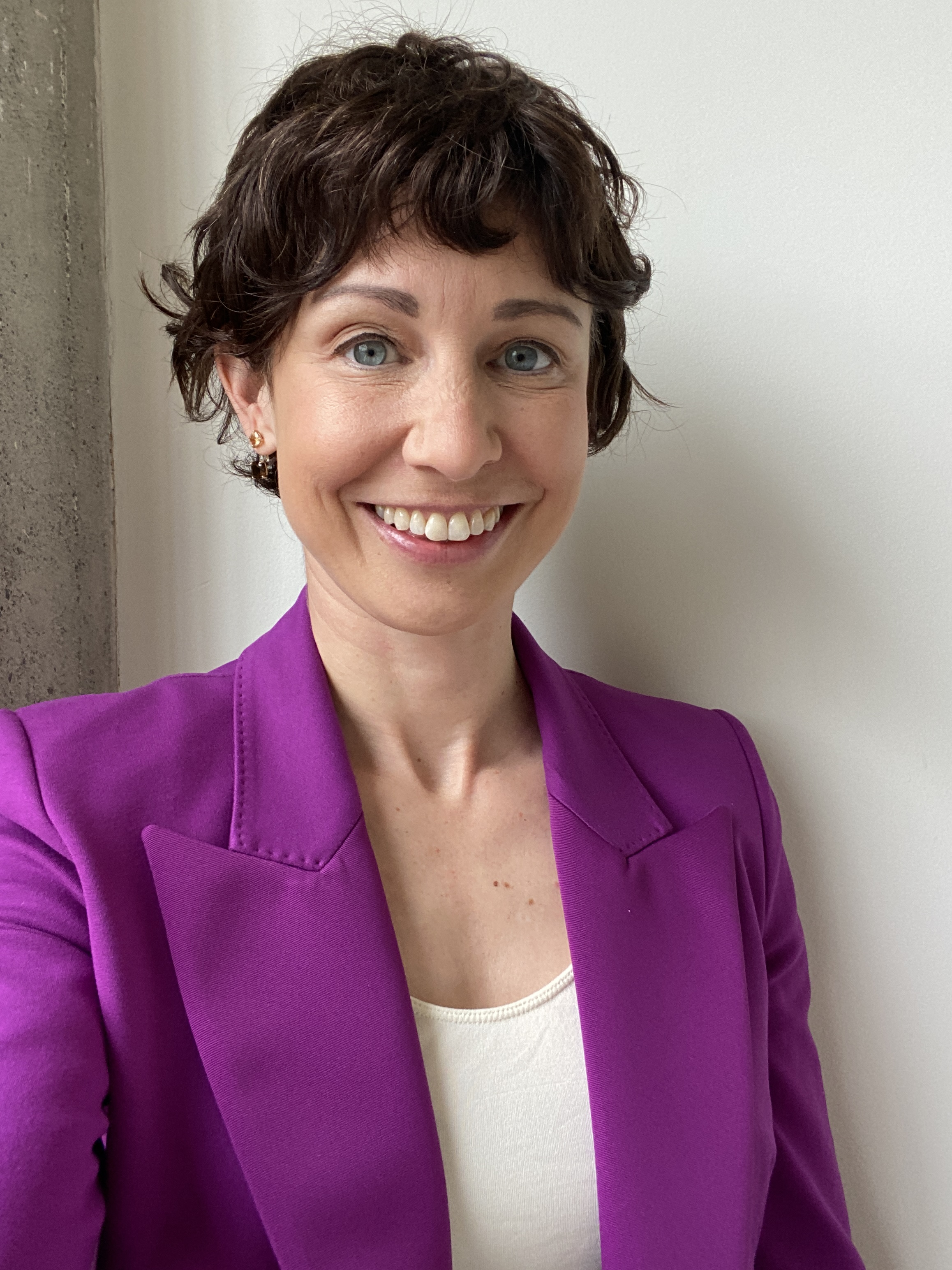
” authored by Kathleen Sitzman, PhD, RN, CNE, ANEF, FAAN; Tristin Carpenter, MSN, RN; Kim Cherry, MSN, RN; and Ileen Craven, DNP, MSN, CNS, RN-BC. We invite you to download this article at no cost while it is featured, and share your comments and reflections for discussion here. Dr. Sitzman shared this message about this work for ANS readers:

I and my study team have been teaching theory-based content in the Caring Science, Mindful Practice Massive Open Online Course since 2015 and have been struck by fact that learners consistently express genuine gratitude for the opportunity to share and reflect upon care-giving experiences with each other in this online caring community of learners. We decided to carefully study this phenomenon in the hope of better-understanding how learners use Watson’s Human Caring Theory to better-understand and describe their feelings and experiences. We found that theoretical structure helped spark memories and careful analysis,and also provided opportunities for meaningful reflection related to the power and importance of caring work. We are hoping this paper will inspire nurse educators to consider adding additional opportunities for learners at all levels of nursing education to learn through theory-guided reflection.

“Visions” in ANS – A Unitary Theory of Healing Through Touch


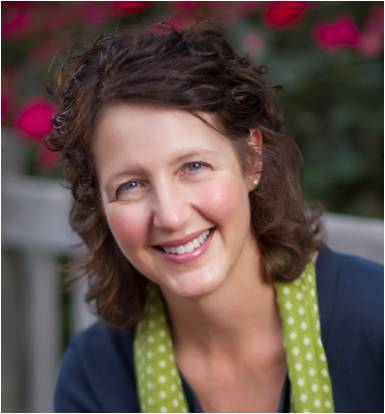
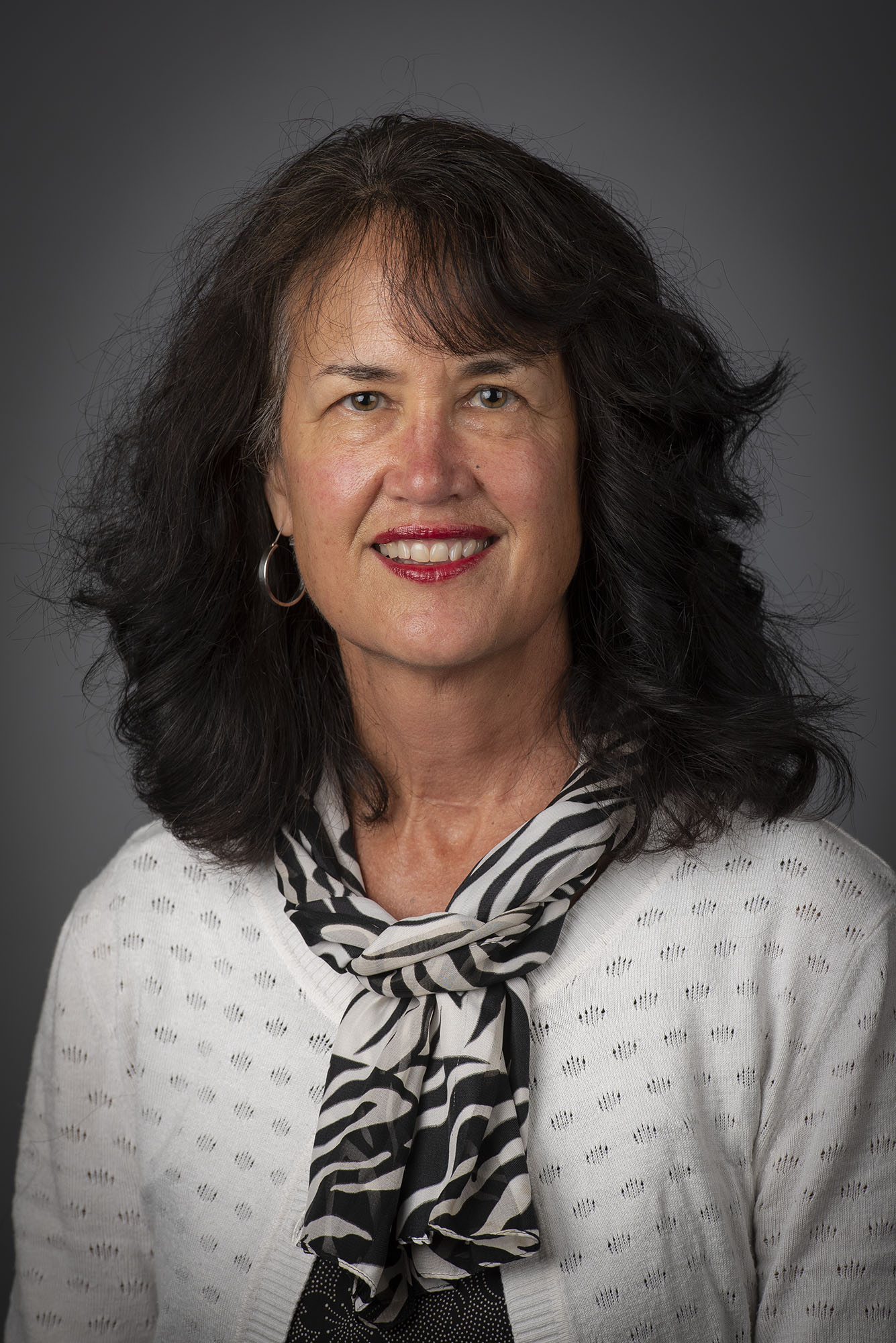
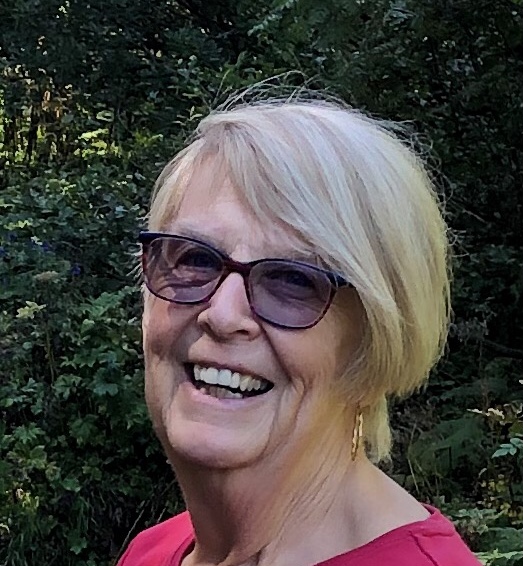
The current issue of ANS includes the new ANS section featuring works focused on the scholarship of Rogerian Nursing Science. This section is called “Visions,” the title of the Rogerian Nursing Society journal. Visions was founded in 1993, and became a part of ANS in 2023, with the Visions article appearing as the last article is every print issue of ANS. The current Visions article is titled “A Unitary Theory of Healing Through Touch,” authored by Marlaine C. Smith, PhD, RN, AHN-BC, HWNC-BC, HS-GAHN, FAAN and Sean M. Reed, PhD, APRN, ACNS-BC, ACHPN, FCNS, SGAHN. Here is a message from Dr. Smith about this work:

Marlaine Smith

            The publication of this article has been a long time coming! It was one of those manuscripts sitting in the “To Do” pile waiting for the two of us to find enough time together to update, refine, and polish it before we felt it was ready for submission.  The practice theory that we developed was born from the findings of a qualitative study of the experiences of persons with advanced cancer receiving massage and simple touch. The qualitative study was “nested” in a RCT (Kutner, Smith, Corbin et.al., 2008) focused on studying the outcomes of both massage and simple touch (a “control condition” that the research team developed consisting of laying hands on 10 locations of the body for 3 minutes at each location). Dr. Jean Kutner and I were co-PIs on this study, and during data collection we received comments from the data collectors and those providing the touch that the participants in both groups were sharing rich, detailed accounts of their experiences. We realized we needed to capture these experiences in a qualitative study. Toward that end a subgroup of the team conducted interviews of 17 participants. Smith and Reed analyzed the data from the interviews. Both of us shared a unitary worldview, and it was clear that our theoretical perspectives were shaping how we conceptualized and languaged the findings. One’s philosophical/theoretical perspective informs all theory development but is often not made explicit. We used a constructivist, retroductive theory development process where both inductive and deductive processes informed the development of the theoretical concepts. The assumption is that theories, especially at the practice level, are developed within a larger conceptual/philosophical system of ideas, ours being Rogers’ Science of Unitary Human Beings. I still remember our collaborative theory development process…how much fun it was….the creativity…the A-Has of discovery as our analysis led to articulation and elaboration of the concepts. 

Sean Reed

            As we state in the article (Smith & Reed, 2023), healing, from the definitions of unitary scholars, is a transformative process characterized by remembering one’s integral nature, awareness of wholeness, appreciating wholeness, and/or coming into right relationship. So the concepts of sensing, reflecting, and connecting specify how touch facilitates this process of healing.  From a Rogerian perspective healing through touch is perceiving the whole, one’s bodily feelings, integrating information toward transformative perspectives, and experiencing self as integral with others and the universe.  The metaphor of “Sanctuary” was used to capture the essence of the experience of healing through touch. The theory was linked to Rogerian science through the concepts of wholeness (sensing), awareness (reflecting) and presence (connecting) (p. 8).

            There are some important “take aways” in this article.  We’ve already mentioned the first…the joy of theory development.  It is important to demystify the process of developing and linking concepts to create the meaning of phenomena important to nursology, and to do so in a way in which the ideas are: 1) aligned with a larger conceptual/theoretical system (correspondence); 2) fit together at the same level of abstraction in a clear and simple way (coherence); and 3) offer usefulness for the professional practice and advancement of the discipline (pragmatics) (Kaplan, 1964). Another important “take away” is that touch is literally at our fingertips, and we need to use it as an expression of our intentions to promote health, healing and wellbecoming.  While there are more data supporting the effects of massage for healing, the findings from both quantitative and qualitative studies suggest that even simple touch has perceived benefits. In my experiences as a patient and family member of patients in acute and long-term care, it seems that the use of touch as a caring-healing modality is rare or absent. If we value theory-guided, evidence-based practice, then this can no longer stand! We have clear evidence of the benefits and a practice-level theory explaining its linkages to healing. It’s time to intentionally integrate touch into nursing practice as a standard of care. During our research we heard from family members who were hesitant to touch their seriously-ill loved ones. Engaging family members and their loved ones in discussions about the kinds of touch that might be comforting is a good way to have family members express their care through touch and for the patient to receive the healing from this love and caring. Based on the theory and evidence it is time for forms of touch such as backrubs, foot and hand massage and expressing caring and comfort through simple touch to be included in foundational courses in nursing.  These competencies easily align with the AACN Essentials’ Domains of Knowledge for Nursing Practice and Person-Centered Care and the Concepts of Communication, Compassionate Care, Evidence-Based Practice and Clinical Judgement.

            Practice theories in the discipline of nursing can offer descriptions of how health patterning modalities like touch can make a difference in health/healing/wellbecoming and guide nursing practice.  It is our hope that this article contributes to that end. 

Kaplan, A. (1964). The Conduct of Inquiry. San Francisco: Chandler Publishing.

Kutner, J.S., Smith, M.C., Corbin, L., et al. (2008). Massage therapy vs. simple touch to improve

pain and mood in patients with advanced cancer: A randomized trial. Annals of Internal

Medicine. 149(6), 369-379.

Smith, M.C. and Reed, S. (2023). A unitary theory of healing through touch. Visions:

Scholarship of Rogerian Science in Advances in Nursing Science, 46(2),219-232. doi: 10.1097/ANS.0000000000000487.

Structural Competency: Toward Antiracism in Healthcare


Our current featured article in ANS is titled “A Concept Analysis of Structural Competency” authored by Katerina Melino, MS, PMHNP-BC; Joanne Olson, PhD, RN, FAAN; and Carla Hilario, PhD, RN. We welcome you to download this article at no cost while it is featured on the web! This message from Katerina Melino gives background about her work:

My interest in structural competency was born out of my professional experience as a registered nurse and psychiatric mental health nurse practitioner, and the tensions and gaps I grew increasingly aware of in my practice and the health care system over the course of my career. For the last 13 years, I have worked as a nurse in acute and emergent mental health care, substance use treatment, and HIV mental health care. My clinical work in each of these settings has been with people with mental health challenges who are disproportionately Indigenous, Black, and people of colour; LGBTQ+ identified; and living in poverty. Many of my clients struggled to access appropriate treatment, experienced challenges in maintaining engagement with care, and were hampered in their mental health recovery by factors that could not be addressed by the biomedical model of care in which I was working. Structural competency offered a way to conceptualize what I was seeing in practice, as well as possibility in how to move forward in addressing these gaps.

Structural competency is a nascent concept in the health professions literature and has only been published on in the discipline of nursing since 2018. It represents an evolution of cultural competency and incorporates understandings of the social determinants of health, structural violence, and critical race theory in conceptualizing how factors far outside the individual locus of control influence individual health. This concept analysis uses Rodgers’ evolutionary method to examine how disparate meanings and uses of this concept across medicine and nursing can be synthesized to broaden our multidisciplinary conceptual approach to addressing health inequity. I am excited by the promise of structural competency to transform our approach to clinical mental health care.

Many thanks to my mentors, Dr. Joanne Olson and Dr. Carla Hilario, who guided me in doing this research.

Philanthropy and the Development of the Discipline


The current issue of ANS features two articles focused on the future of nursing: “Philanthropic Foundations’ Discourse and Nursing’s Future Part I: History and Agency” authored by Shawn M. Kneipp, PhD, ANP, APHN-BC; Denise J. Drevdahl, PhD, RN; and Mary K. Canales, PhD, RN and “Philanthropic Foundations’ Discourse and Nursing’s Future Part II: A Critical Discourse Analysis of RWJF Future of Nursing Initiatives” authored by Shawn M. Kneipp, PhD, ANP, APHN-BC; Mary K. Canales, PhD, RN; and Denise J. Drevdahl, PhD, RN. Both articles are available for download while they are featured. Here is a message that Dr. Kneipp provided about their work:

Shawn Kneipp

We began our initial Future of Nursing (FON) research efforts with a 2016 presentation at the American Public Health Association (APHA) annual meeting, using critical discourse analysis to examine public health nursing’s (PHN) representation within the FON and five-year evaluation reports, Robert Wood Johnson Foundation (RWJF) nursing campaigns, and previous Institute of Medicine Reports that informed the FON. As a research methodology, discourse analysis was selected because of its usefulness in examining dominant discourses that influence nursing practice. The analysis indicated that public health was often constructed within the context of individualized care. The public/community health workforce was narrowly defined with PHN presented primarily through case studies of individualized care while population health focused on clinical population categories. This first investigation raised more questions than answers, especially regarding processes surrounding the FON’s development and the RWJF’s unique role in the effort. We were therefore well positioned to continue this work when we learned a second report was being planned.

Mary Canales

As public health nurses, our initial reactions to the planning of a second FON report that would focus on nursing’s role in addressing the social determinants of health (SDoH) was met with both a sense of validation and apprehension. On the one hand, it was validating to have nurses practicing in specialties within the profession beyond those in PHN recognize the critical role that SDoH play in perpetuating health inequities. On the other hand, we were also apprehensive about the potential for SDoH being narrowly conceptualized – and what that might mean for the scope of interventions in which nurses would be asked to engage. Specifically, nursing’s history of directing practice, education, and research endeavors at the individual level has produced a profession that overwhelmingly, and willfully, dons blinders to understanding the socially-constructed systems that differentially drive the health of the individual patients for whom care is provided, and the communities to which they belong. 

At the time the second FON process was launched, I had just stepped into the role of Chair of the APHA’s Public Health Nursing (PHN) Section. Given that populations with the worst health outcomes due to SDoH have been a long-standing focus of PHN, it seemed reasonable to expect that public health nurses as a collective, through their member organizations, would figure prominently as presenters or panel participants both within the National Academies of Science, Engineering, and Medicine (NASEM) FON committee, and at the public forums held by the FON committee. I anecdotally observed the opposite, whereby several leaders of the APHA PHN Section in collaboration with other PHN-focused organizations (the Council of Public Health Nursing Organizations, among others) regularly attempted to engage in the process, but to little avail. Ultimately, APHA PHN leaders were able to provide two minutes of testimony at the public forums. However, nurses from acute care systems were routinely given much more ‘discursive space.’ The irony of this was not lost on us, and these observations led to the systematic, critical examination of the entirety of the process and the juxtaposition of nursing as a self-regulating profession through professional organizations, the discursive space afforded nursing representation during FON processes, and what this might mean for nursing’s collective agency.  

Nightingale and Seacole: A Rivalry?


The current featured ANS article is titled “Considering the ‘Bitter Rivalry’ Within the Context of European and Colonial History of Women Healers” by Adeline Falk-Rafael, PhD, RN, FAAN. This article will be available for download at no cost while it is featured – an apt resource for the week we celebrate “Nurses’ Week”! Here is a message that Dr. Falk-Rafael provided giving some background related to this work:

I first learned about Mary Seacole from a group of Caribbean nursing students who were in my leadership course in a BScN program at York University in Ontario, Canada. They presented Seacole to the class as a nursing leader whom they admired. A number of years later, I heard Mary Seacole spoken of in disparaging terms at a nursing meeting so turned to her autobiographical account of her life and work. Her book, I believe, reveals her to have been a woman healer, providing both caring and curing services to the people she served, like women had for centuries before her.

I have also long been an admirer of Florence Nightingale. I wrote this article to honour both these 19th century nurses in the hopes of lessening what has been called a “bitter rivalry” among today’s nurses. As I reflected on the current polarized views among nurses and others, I was reminded of the historical treatment of women healers, particularly by medicine, and wondered whether a similar dynamic might be at play within nursing with regard to Mary Seacole. I draw no generalized conclusions in that regard, believing the answer is likely complex and different for each, but hope the article leads readers to consider the bitter rivalry and draw their own individual conclusions.

Mitigating Implicit Bias and Optimizing Healthcare Outcomes


Featured currently in ANS is the article titled “The State of the Science of Nurses’ Implicit Bias: A Call to Go Beyond the Face of the Other and Revisit the Ethics of Belonging and Power” by Holly Wei, PhD, RN, CPN, NEA-BC, FAAN; Zula Price, PhD, FNP-BC, RN, CNE®cl, CD(DONA); Kara Evans, MSN, RN, NPD-BC, NEA-BC; Amanda Haberstroh, PhD, MLIS, AHIP; Vicki Hines-Martin, PhD, PMHCNS, RN, FAAN; Candace C. Harrington, PhD, DNP, MSN, APRN, AGPCNP-BC, CNE, FAAN. Note that Nursing Professional Development Credits are available for this article!. The article is available to download at no cost while it is featured!

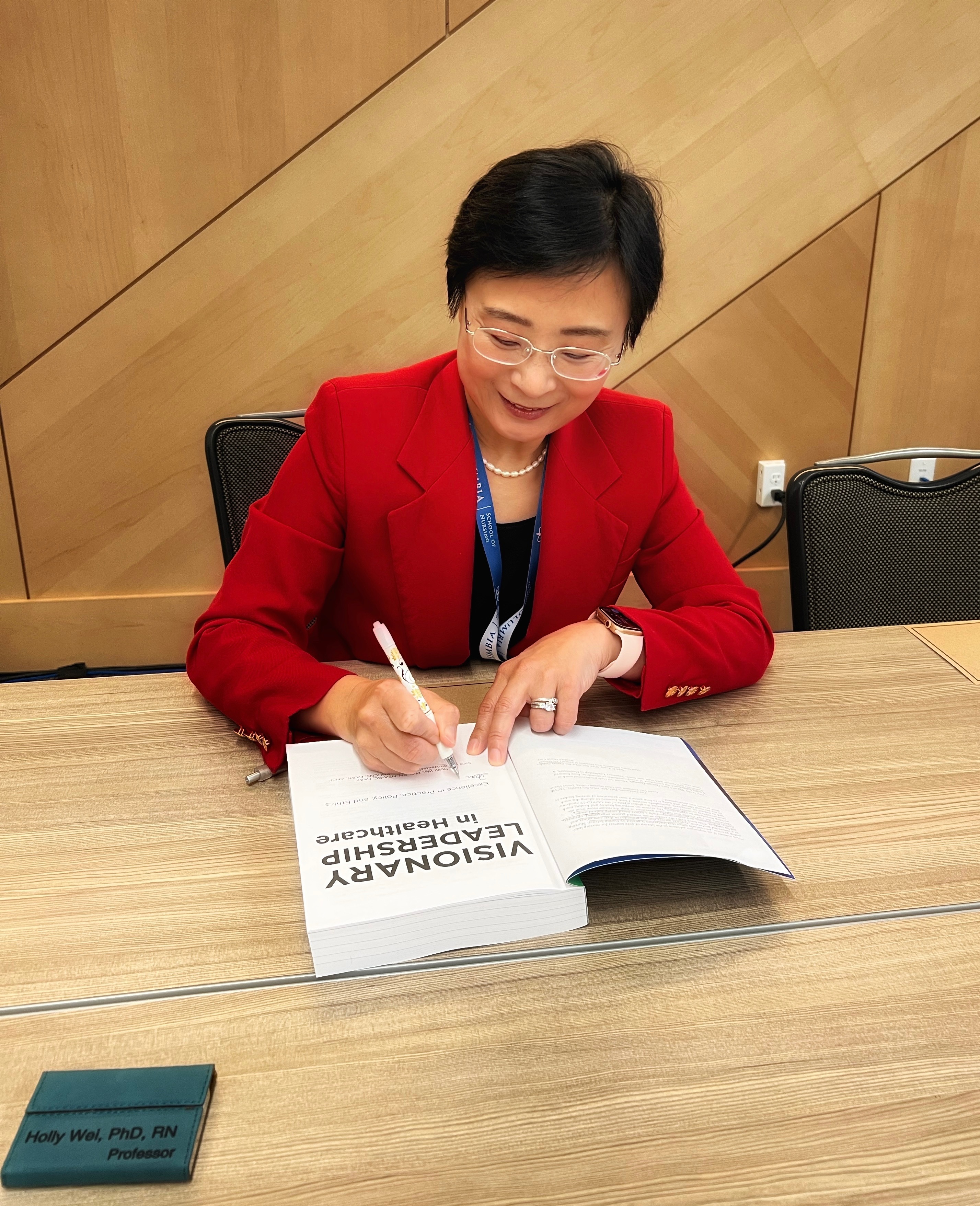
Dr. Holly Wei, Professor, Associate Dean at East Tennessee State University College of Nursing, provided this background information about the work reported here:

The current focus on health equity and racial health disparities has brought implicit bias to the forefront of healthcare delivery. As the interests in health inequity and disparity grow, we want to examine the current research on nurses’ attitudes and behaviors. The broad and pervasive impacts of implicit bias have been examined across social and cultural institutions and systems, including healthcare, education, and housing. Because nurses spend the most time with patients, they play a significant role in patients’ and families’ healthcare experiences and outcomes.

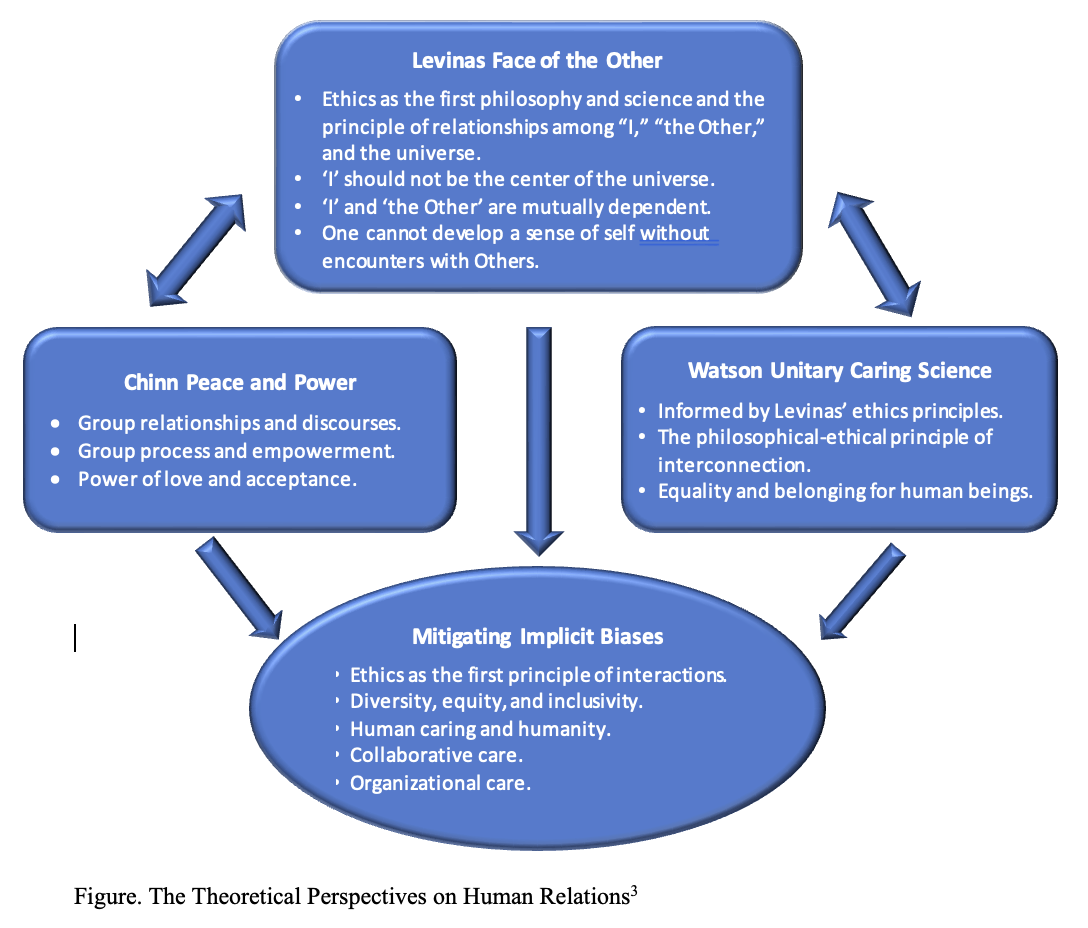
This paper presents the current state of the science of nurses’ implicit bias and the primary sources of nurses’ implicit bias – race/ethnicity, sexuality, health conditions, age, mental health status, and substance use disorders. Nurses’ implicit bias is analyzed and described using Levinas’ face of the Other and ethics of belonging, Watson’s human caring and unitary caring science, and Chinn’s peace and power theory. This paper invites nurses to go beyond ‘the face of the Other’ and revisit the ethics of belonging and power. We hope these theories can provide a guideline and call for nurses to work together with organizational leadership and other healthcare disciplines and stakeholders to mitigate implicit bias and optimize healthcare outcomes.1,2

References

  1. Wei H. The development of an evidence-informed Convergent Care Theory: Working together to achieve optimal health outcomes. International journal of nursing sciences. 2022;9:11-25. https://doi.org/10.1016/j.ijnss.2021.12.009
  2. Wei H, Horton-Deutsch S, Sigma Theta Tau International. Visionary Leadership in Healthcare: Excellence in Practice, Policy, and Ethics. Indianapolis, IN: Sigma Theta Tau International Honor Society of Nursing; 2022.
  3. Wei H, Price Z, Evans K, Haberstroh A, Hines-Martin V, Harrington CC. The State of the Science of Nurses’ Implicit Bias: A Call to Go Beyond the Face of the Other and Revisit the Ethics of Belonging and Power. Advances in nursing science. 2023. 10.1097/ANS.0000000000000470

Nurses’ Health-Seeking Behaviors


The current featured article is titled “Factors Involved in Nurses’
Health-Seeking Behaviors: A Qualitative Study
” authored by Tahereh Najafi, PhD, MSc, BScN, RN; Forough Rafii, PhD, MSc, BScN, RN; and Sara Rahimi, BScN, MSN, RN. The article is available for free download while it is featured.. Sara Rahimi has provided this background information about the work reported here:

The motivation to do this research was created in my mind when I lost one of my experienced nurse friends due to metastatic pancreatic cancer shortly after a late diagnosis. He had been experiencing some clinical symptoms for a long time, but he often ignored them or sought treatment with the help of his knowledge. After this painful incident, as a nurse educator, I realized in my interactions with nurses that most of them spend all their time working at the patient’s bedside and taking care of them, and they do not care about their health as much as they should. So this question was formed in my mind, why do nurses delay seeking health even though they know the importance of early referral and timely treatment? What factors affect nurses’ health-seeking behavior (HSB)? Therefore, as a Ph.D. candidate in nursing, I decided to devote my dissertation to this topic. My review of the existing literature did not reveal much information on this topic, and I decided to explore these factors as a qualitative study by conducting unstructured interviews with nurses. Interviews with nurses allow a deep understanding of their experiences when facing health problems. By content analysis of the conducted interviews, five major concepts were developed: fear, trust/distrust, excuse, access, and support. This article sheds light on the barriers and facilitators of nurses’ HSB in a country like Iran that faces a shortage of nursing workforce and a high population of communicable and non-communicable diseases. Recognizing nurses’ HSB is important in ensuring the health of the nursing workforce and providing quality care to patients by a healthy workforce. This study helps health policymakers and managers to be aware of the barriers to nurses’ HSB and use this information to plan to improve health or change the poor health behaviors of nurses. Future research is needed on how nurses’ HSB can affect their behavior with patients and their care.

I would like to thank my dear mentors, Professor Forough Rafiei and Professor Tahereh Najafi who guided me in doing this research.

Unitary Appreciative Nursing Praxis


We are delighted to introduce a new feature in ANS called “Visions: Scholarship of Rogerian Nursing Science. This new section maintains the long tradition of the journal that has been produced by the Society for Rogerian Science since 1993. The first article in this section is titled “Unitary Appreciative Nursing Praxis” authored by W. Richard Cowling III, PhD, RN, AHN-BC, SGAHN, ANEF, FAAN, and it is available for no-cost download while it is featured. Here is a message from Dr. Cowling giving some background about his work, and what inspires him in his research and practice!

Last week at the Virtual Nursing Theory Week conference, during a dialogue, Jacqui Fawcett asked a question along the lines of “how do you know its nursing?”  This was in response to several participants describing what nursing was like for them and why they thought it was unique.  This made me think of my first encounters with nursing as a young 15-year-old boy who was doing volunteer work in a local hospital.  When I experienced what nurses were doing with and for patients, I fell in love with that work.  This was in 1964.  In 1979 I found myself in a course on nursing science taught by Martha Rogers, and it was then that for the first time I learned about a conceptual system that helped me make sense of nursing as I experienced and loved it.  Unitary appreciative nursing praxis (Cowling, 2023) is a culmination of the journey I have been on since those days in that class.  Unitary appreciative nursing is the embodiment of the science of unitary human beings as a praxis as I have grown to understand and know if from inquiry projects with women in despair who experienced various forms of abuse as children.  The article is an attempt to clarify the nature of a praxis of nursing that has the wholeness of human beings and their worlds as the central focus and uses patterning of that wholeness as a reference point for participating knowingly in illuminating and unlocking the emancipatory strivings of people in health care.  It offers a framework and process for the realization of ideals set forth in the Nursing Manifesto that evoked the creation of nursemanifest.com. The last paragraph of the article expresses my deepest desires for nursing and its potential for the betterment of humankind which was the intent of the science of unitary human beings:

“If ever there was a need for innovative praxis models, it is now. The people, families, groups, and communities we care for need models that demonstrate how nurses can more effectively meet anger with compassion, loneliness with love, fragmentation with wholeness, and despair with aspiration. Unitary appreciative nursing is not a remedy for all of these, but it provides the possibility for nurses and people they care for to mutually engage in this journey borne out of fear and desperation in our daily personal and societal lives using appreciation as a means for recognizing and embracing the wholeness and oneness available to us all” (p. 115).

Increase, Protect, and Support: Illuminating the Contributions of African American Nurse Scientists


Featured currently in ANS is the article title “African American Perceptions ofParticipating in Health Research Despite Historical Mistrust” authored by Marie Campbell Statler, PhD, RN; Barbra Mann Wall, PhD, RN, FAAN; Jeanita W. Richardson, PhD; Randy A. Jones, PhD, RN, FAAN; and Susan Kools, PhD, RN, FAAN. Here Dr. Statler describes her program of research and the challenges faced by African American Nurse Scientists:

‘If I can help someone on the journey, then my living will not be in vain’: African American perceptions of participating in health research despite historical mistrust. 

My program of research centers around developing participant-centered and community-based research strategies that eradicates health disparities in the hardest hit African American communities. The intersectionality between my lived Black experience and my work as a clinical research nurse led to an interest in understanding the motivational behaviors and interactions of African Americans’ participation in health research despite a legacy of research mistreatment. As a former clinical nurse researcher, I understood research as a promising approach to advancing health and its connections to eliminating health disparities. Likewise, I understood the historical undertones that profoundly impacted the health of Black communities coupled with the shared cultural experiences with my Black patients. Therefore, with amazing coauthors and mentors Dr. Susan Kools, Dr. Barbra Mann Wall, Dr. Jeanita W. Richardson, Dr. Randy A. Jones and the gracious contributions of the African American Research Participants, this study was explored. 

Qualitative description methodological approach allowed for an essential historical exploration, contextualization of relationships, and rich descriptions of new areas that motivate African American Research Participants (AARP) to research participation through a critical lens (Crenshaw et al., 1995; Green & Thorogood, 2018; Neergaard, Olesen, Andersen & Sondergaard, 2009; Sandelowski, 2000). Research highlighting the barriers to research participation is abundant, therefore, as part of a larger study that included thirty-three research participants, this study captured the perceptions of nineteen AARP that participate in health research.

Through researcher reflexivity and a deep historical reexamination, this study explored the perspectives of AARP that facilitate participation in research and provided a rich description of motivational factors, behaviors, and interactions of AARP that impact their participation in health research despite the legacy of justifiable distrust of research. In addition, utilizing community- engagement research strategies, the researcher collaborated with the Michigan Center for Urban African American Aging Research (MCUAAAR), and the Healthier Black Elders Center (HBEC) for participant recruitment and community research approval. Furthermore, this study was supported by a grant from the National Institutes of Health, 5P30 AG015281, and the Michigan Center for Urban African American Aging Research. More importantly, the findings from this study were disseminated back to the community. 

This article offers several AARP experiences with research participation, their narratives revealed salient motivational factors including altruism towards improving population health including the health of the African American community. Furthermore, the study revealed the significance behind participants feeling respected and valued by their researchers and their experiences with race concordance in the researcher-participant relationship. Conversely, when participants were asked about their research experiences, several AARP expounded on experiences of mistreatment in health care settings which led several participants to seek Black health care providers and alternative forms of health information.

This is an area that warrants a deeper understanding and developing strategies to improve patient-provider relationships. Despite a historical legacy, the participants in this study were not deterred from participating in research and balanced their decision making with healthy skepticism. Just as important, this article offers the counterstories from AARP as to why they participate in health research and offers strategies to improve participant-researcher encounters. Therefore, it is essential that African Americans that choose to participate in research are treated as experts and collaborators in joint efforts to improve population health through inclusive research.  

Crenshaw K., Gotanda N., Peller, G., & Thomas, K. (Ed.) (1995). Critical Race Theory: The Key 

Writings That Formed the Movement. New York, NY: The New Press. 

Green, J. & Thorogood, N. (2018). Qualitative Methods for Health Research: 4th Edition. Thousand Oaks, CA. SAGE. 

Neergaard, M. A, Olesen, F., Andersen, R. S., & Sondergaard, J. (2009). Qualitative description: Poor cousin of qualitative health research? BMC-Medical Research methodology, 9, 52-56. doi: 10.1186/1471-2288-9-52 

Sandelowski M. Whatever happened to qualitative description? Res Nurs Health. 2000;23(4):334- 340. doi:10.1002/1098-240x (200008)23:4334::aidnur93.0.co;2-g 

LGBTQI+ Migrants’ Experiences with Nurses in Canada


We are now featuring the ANS article titled ““Ally Theater Is a Problem:” LGBTQI+ Migrants’ Experiences With Nurses in Canada” authored by Roya Haghiri-Vijeh, PhD, RN, BN, MN, and it is available for free download while it is featured! Here is Dr. Haghiri-Vijeh’s description of her work that she shared for ANS readers!

My research and professional journey with a focus on needs of migrant 2S/LGBTQI+ communities started over a decade ago. 2S/LGBTQI+ stands for Two-spirit, lesbian, gay, bisexual, trans, queer, intersect and the “+” is inclusive of diverse sexual orientations (e.g., pansexual), gender identities, and gender expressions (e.g., nonbinary) that are not explicitly named in the initialism. Several years ago, a nurse, who was in an administrative role and claimed to be focused on advocacy for marginalized people in Canada, told me, “You should reconsider your topic, because it won’t be safe to return to Iran for a visit by being engaged in this work!” I should add that this nurse had a visible “positive space” sign on their desk. This comment highlighted personal values that may impact how nurses engage in allyship and advocacy.

Both stigma and discrimination, including a lack of knowledge of and a sense of discomfort in providing care to 2S/LGBTQI+ migrants, manifested themselves in my encounters with nurses, nursing students, faculty, and administrators. I heard comments such as, “They are in Canada now. It is safe here!” Despite the work of nurses as well as allied social and healthcare scholars, practitioners, and activists, some nurses continue to have a limited understanding of the experiences of 2S/LGBTQI+ migrants in the Canadian context, and 2S/LGBTQI+ migrants continue to have troubling experiences with nurses.

Within my research study, I analyze 2S/LGBTQI+ migrants’ encounters with nurses by applying a Gadamerian hermeneutic approach with intersectionality as an analytical lens. I conducted 18 semi-structured, in-depth, individual interviews. Two groups of informants participated in this study: (a) sixteen 2S/LGBTQI+ migrants who received care from nurses and other healthcare professionals in Canada; and, (b) five nurses or nursing students who experienced, observed, heard, or witnessed the provision of nursing care to 2S/LGBTQI+ migrants. Approaching analysis from an intersectional lens, I observed how 2S/LGBTQI+ migrants’ experiences were shaped by considerations of physical, mental, and spiritual well-being, which intertwined with race, ethnicity, migration status, sexual orientation, gender identity, and gender expression. Furthermore, I found that migration status added another layer of complexity to the marginalization of 2S/LGBTQI+ people, which required intentional allyship from nurses.

In this article, the concept of “ally theater” is used as a metaphor to depict meaningless acts of allies’ support for 2S/LGBTQI+ migrants. I underscore how the nursing profession has claimed to be affirming of diverse communities; nevertheless, nurses can do better, which is beyond one dimensional, performative act in education, practice, and policy. Drawing on normative ideologies underpinning performative allyship, a theoretical discussion with selected findings is presented on how 2S/LGBTQI+ migrants experienced cynical comments and unsacred seriousness in play with nurses in practice. In addition, nurses’ genuine acts of allyship with 2S/LGBTQI+ at various practice settings are presented.