Skip to content

Fostering Change in the Practice of Nursing


In my own undergraduate nursing program at the University of Hawaii, we heard an often-repeated phrase reminding us that we were being prepared to be “change agents.” Throughout my career I have often reflected on this “charge” and the reality that so little changes – particularly when we consider the challenges that nurses face in putting many of the ideals of nursing into practice. In our current featured article title “Constraints, Normative Ideal, and Actions to Foster Change in the Practice of Nursing: A Qualitative Study” the authors Patrick Martin, PhD and Louise Bouchard, PhD, address this long-standing tension. They conclude that what is needed is a radical renewal of democracy in hospitals. Dr. Martin provided this background information about their work:

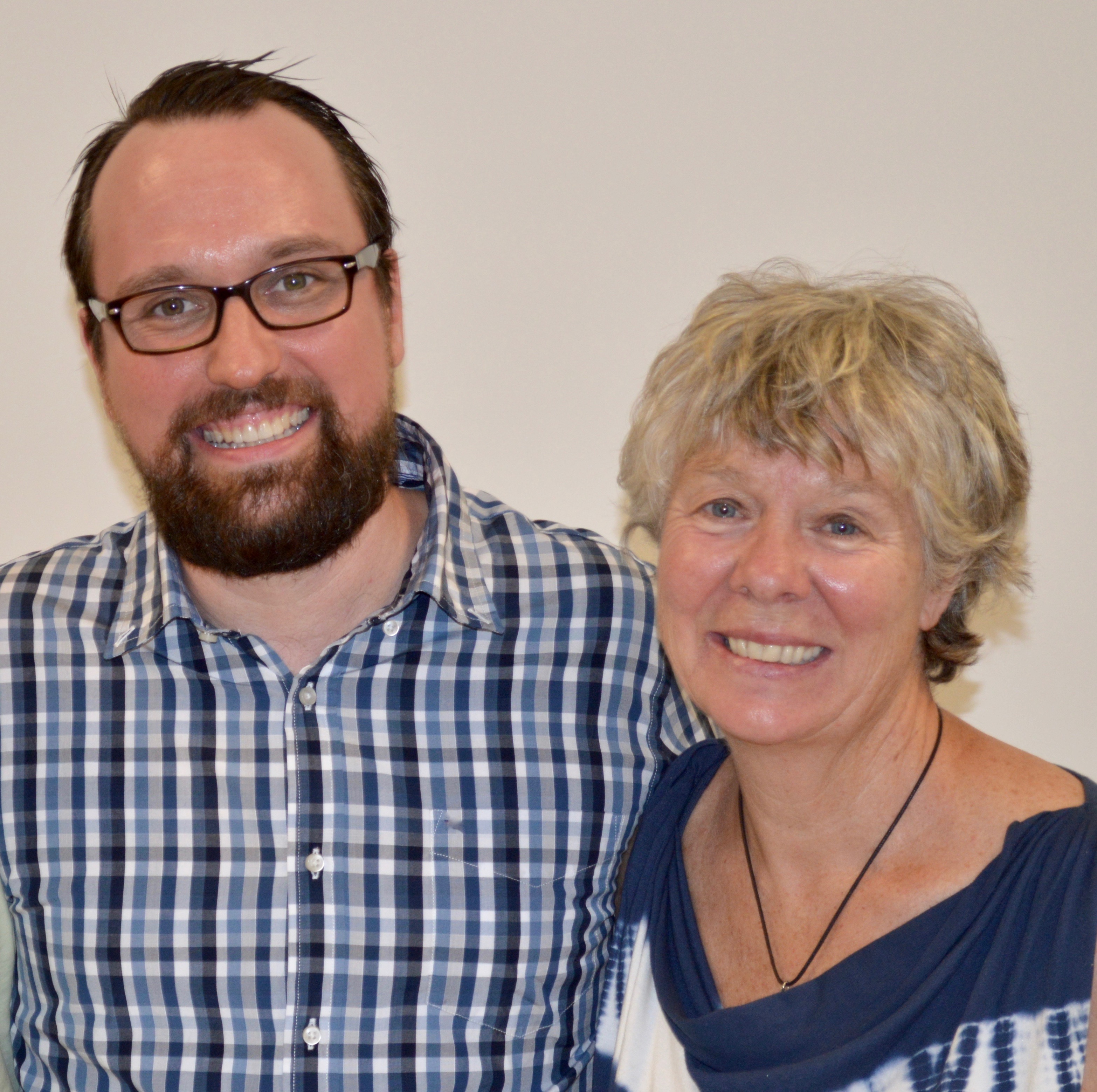
The aim of this study onDSC_0130 (1) which we had a great time working together was to explore the lived experiences of politically engaged staff nurses working in a hospital centre; to portray the social order that exists there; to describe the way in which the nurses would ideally like to practise; and to record their ideas and the action they have taken individually and collectively for fostering change in the social order and the practice of nursing. Epistemologically, this qualitative study was based on a view of reality as complex, mutable, and dependent on individual perception, which suggests a comprehensive, contextualized approach to human action and politics and, hence, to the consideration of the political views of the participating nurses.
The linkage between lived experience, normative ideals and political action has been explored from a dialectical, praxeological, postmodernist perspective which constitutes a reflection not only on what is but also on what ought to be. Such a reflection may, under certain conditions, lead to transformative action. We cannot say that the results of this study have contributed to the current changes, however these have been widely published in the mass media and we can now see a small revolution taking place in the nursing field in Quebec (Canada).

These results indicate a gradual deprofessionalization and increasing technicization of nursing. Our findings point, too, to an intensifying drift towards authoritarianism in hospitals with the adoption of the semantic register of the market economy along with the notions of efficiency, performance and optimization. Viewed as little more than high-performance robots, staff nurses find themselves excluded from decision-making processes. They have thus been deprived of the freedom to express opinions about or criticize decisions taken by the top ranks of the hospital power hierarchy (rather than by the nurses themselves) regarding the way nursing is practised. Disciplinary power in hospitals, exerted through technological policies such as constant surveillance, reprisals and fear, the technicization of care, and mandatory overtime contribute to the staff nurses’ subjectivation. Their clinical judgment has been devalued, their group solidarity undermined, and their union organization brought to heel. They have thus been diverted from demanding the realization of their rights and their ideals of emancipation and been reduced to the role of subordinates.

Accordingly, although the nurse participants want to take action in the hospital to humanize care and achieve professional self-determination, the practical purpose of much of the action we recorded was, rather, their own protection and survival in a dehumanizing hospital system. There are, nonetheless, staff nurses who raise conscientious objections, resort to individual or collective non-cooperation or engage in acts of civil disobedience with the aim of establishing a new power relationship, one that must necessarily be put in place for their demands, which would otherwise be ignored in this system of hospital governance, to be taken seriously.

Unless the antagonistic exercise of power in this system of hospital governance is thwarted by the exercise of equal or greater power on the part of nurses working collectively, they will continue to be subjected to its political philosophy and objectives. It emerges from their discourse that nurses collective action must focus on the radical renewal of hospital democracy, which, as a new power relationship, will enable staff nurses to fully participate in discussions of the orientation of their practice.

About the authors:

Dr. Martin with new baby daughter!

Patrick Martin is a nurse activist and an associate professor at the Laval University’s Faculty of Nursing. He is also a researcher at the Quebec Heart and Lung Institute. His research interests include the organization of work, social relations and power structures in which nurses’ experiences are rooted and strategies for nonviolent action. The central axis of his research program proposes to examine the system of constraints inherent in the social world in which nurses and nurse managers operate, as well as the effects of this system on their health and workplace safety. He investigates these elements by focusing on their relationship to politics, allowing them to envisage individual and collective courses of action to reduce these constraints in a perspective of sustainable health at work.

Louise Bouchard is a retired professor from the Faculty of Nursing at the University of Montreal, after teaching for over 30 years. She campaigned for many years on feminist committees, both in the local union and in the Fédération québécoise des professeures et professeurs d’Université. Her political commitment is continuing to recognize nurses’ freedom of conscience, particularly in the ideological context of medicalization and biopower.
A Post-caregiving Health Model


           Our first featured article from ANS 43:4 is titled “The Post-caregiving Health Model: A Theoretical Framework for Understanding the Health of Former Family Caregivers of Persons with Dementia” authored by Kristin Corey Magan, PhD; Mary K. McCurry, PhD; Kristen A. Sethares, PhD; Meg Bourbonniere, PhD; Salimah H. Meghani, PhD; and Karen B. Hirschman, PhD. While this article is featured, you can download it at no cost from the ANS website! We invite you to do so, and share your responses here! Dr. Magan shared this background information about this work for ANS readers:

As a doctoral student, I decided to explore my observations further. My mentor, Dr. Mary McCurry, and I conducted a pilot study of the experiences of former dementia caregivers following the care recipient’s death. The study findings supported my observations from clinical practice. We also found that depressive symptoms and sleep disturbances persisted for as long as a decade after caregiving ended. The findings provided a foundation for my doctoral dissertation, which involved the development and testing of the Post-caregiving Health Model. This article provides a detailed description of the development of this model.

The Post-caregiving Health Model highlights a stage of caregiving that has been neglected in previous research: the stage we refer to as “post-caregiving” or the time following the death of a care recipient. Based on the Transactional Theory of Stress, the model emphasizes the effects of appraisal, emotion, and coping on long-term post-caregiving health outcomes using a holistic perspective. We intend to utilize this model to guide our future research on post-caregiving health outcomes and as a foundation for developing and testing interventions that target effective coping for caregivers after caregiving ends.


Reducing Nurses’ Moral Distress


Our current featured article is titled “Freirean Conscientization With
Critical Care Nurses to Reduce Moral Distress and Increase Perceived Empowerment: A Pilot Study” by Nancy A. Bevan, PhD, APRN, ACNS-BC and Amanda M. Emerson, PhD, RN. Dr. Bevan sent this message giving ANS readers some background about this work:

Moral distress in nursing is a significant problem that needs to be understood and addressed.  This paper reports some of the findings from my doctoral dissertation work that explored using Freirean Pedagogy as the theoretical basis for an educational intervention for nurses who have suffered moral distress. I have always been interested in research on the health of nurses. My long career in critical care nursing piqued my interest in moral distress in nurses because I have experienced it myself and witnessed it in others.

While reading the literature, I became intrigued by the discussion of nurse’s relative powerlessness as one of the causes of moral distress. There is strong evidence linking powerlessness arising from structural hierarchies embedded in health care to moral distress in nursing; this has led some to argue that nurses are an oppressed group.  Based on that,  like other oppressed groups, nurses may lack insight into their oppression and struggle ineffectually to overcome it on their own. A Freirean educational intervention was created with the help of an international expert in Freirean pedagogy and piloted in nurses who have suffered moral distress.  Results showed improved moral distress and mixed results in perceived personal and group empowerment. Further study is warranted, but we need to take care of our nurses, and start finding ways to address moral distress in a concerted way.

The Omnipresence of Cancer


The current ANS featured article is authored by Maya Zumstein-Shaha, PhD, RN; Carol Lynn Cox, PhD, RN, FHEA; and Jacqueline Fawcett, PhD, ScD (Hon), RN, FAAN, ANE, titled “The Omnipresence of Cancer: Two Perspectives.” The article is available at no cost while it is featured; please share your comments and ideas related to this article here! Dr. Zumstein-Shaha shared the following message, and the video below, about this work.

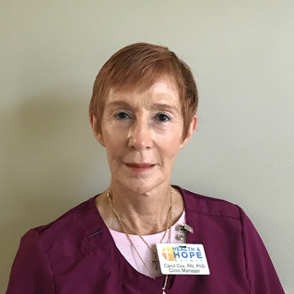
Maya Zumstein-Shaha

In the article entitled “The Omnipresence of Cancer: Two Perspectives”, which is appearing in ANS volume 43, issue 3, is authored by Maya Zumstein-Shaha, PhD, MScN, RN, Carol Lynn Cox, PhD, RN FAHE, and Jacqueline Fawcett, RN, PhD, ScD (hon), FAAN, ANEF. In this article a midrange nursing theory is proposed aiming at enhancing the care of patients with oncological malignancies. This theory is timely as cancer remains one of the most frequent causes for death around the globe and diagnostics and treatments are changing rapidly.

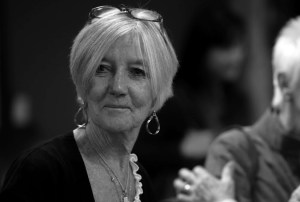
Carol Lynn Cox

Therefore, oncology care is also facing changes regarding aims and objectives as well as methods of supporting persons with cancer and their members of the family.

The authors of this publication have worked across countries – namely Switzerland and the United States – to describe nursing knowledge development and theory construction. The collaborative work has yielded the second perspective of this theory, namely the re-interpretation of the study findings from which the theory emerged in

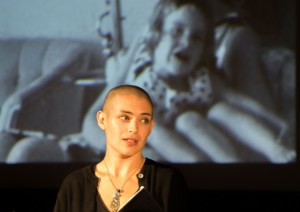
Jacqueline Fawcett

the light of a grand theory in nursing.

In the video below, the theory’s development is briefly described, and a schematic is provided along with a brief summary.

Understanding Older People’s Cognitive Function


Our current featured article is titled “The Contribution of Documentation Systems to How Nurses Understand Older People’s Cognitive Function in
Hospital
” authored by Elaine Moody, PhD, RN; Alison Phinney, PhD, RN;
Geertje Boschma, PhD, RN; and Jennifer Baumbusch, PhD, RN. Please download this article at no cost while it is featured; we welcome your comments! Here is a message that Dr. Moody provided for ANS readers about this work:

Elaine Moody

This paper reports on some of the findings from my doctoral dissertation that explored how nurses working in acute care settings came to understand the cognitive function of older patients. We noted that while nursing literature has reported that nurses miss cases of cognitive impairment and fail to identify conditions such delirium, there was very little written about how nurses build their understandings. We approached this topic from a perspective that recognized the important of the healthcare environment on nurses work and were attuned to social relations in the research process. In the course of the research, we found that the documents that nurses used to communicate, report and archive aspects of their work were shaping how they understood the cognitive function of older patients. This is an element of healthcare settings that can potentially be improved to better reflect the current best evidence about how to support people who have, or are risk of having cognitive, impairment. As the COVID-19 pandemic is drawing more and more attention to the situation of older people in our communities, and the ways that healthcare settings are structured to provide their care, it is an opportune time to consider ways to reorient these settings to the needs of an older population.

Paying the Caring Tax


The current featured article for ANS is titled “Paying the Caring Tax: The Detrimental Influences of Gender Expectations on the Development of Nursing Education and Science” authored by Candace W. Burton, PhD, RN, AFN-BC, AGN-BC, FNAP. You can download this article on the ANS website while it is featured, and we welcome your doing so and returning here to share your comments! Here is a message from Dr. Burton about her work:

This paper is the result of a lot of professional soul-searching, and thinking about how nurses are treated and treat one another in different environments. As nurses we can, in many ways literally, do anything—but we have allowed ourselves and our profession to be held back by outdated ideas about who and what we are. I wrote this paper because I feel so strongly that we have come to a critical point in our professional, educational, and scientific growth. This moment is for nursing both laden with potential and weighed down by tradition. It is time for us to shed once and for all the old ideas that position nurses as subservient to other disciplines, as ministering angels, as perfect “ladies,” rather than as the independent, creative, scholarly, assertive, and forward-thinking professionals that we are. At this historical and professional moment, it seems to me fundamentally important that nurses call openly and honestly for the implementation of social justice in our professional and personal communities, and that we start with cleaning our own “house”—our educational, scientific, and practice institutions. Who we are as a profession must not be constrained by stereotypes about gender, race, sexual orientation, religion, appearance, socioeconomic background, or anything else that we would not allow to influence our provision of safe, effective, non judgemental care.

Men’s Decision to Become Nurses


Our current featured article is titled “Men’s Decision-Making to
Become Nurses: Gendered Influences and Fit With Gender Role Conflict Theory
” authored by Chad E. O’Lynn, PhD, RN; Tom O’Connor, EdD, MSc Ad Nursing, BSc, PG Dip Ed, Dip Nur, RGN, RNT; Liliana L. Herakova, PhD; and Peter Kellett, PhD, RN. The article is available to download at no cost while it is featured, and we welcome your feedback and comments here! Dr. O’Lynn sent this message about this work:

Chad E. O’Lynn

Our international research team came together out of our mutual interest in men’s experiences in nursing.  While acknowledging patriarchy as the dominant explanatory paradigm of gendered structures and inequities in healthcare (and in nursing in particular), we were concerned with the lack of literature describing specific gendered constructs and processes based in patriarchy that might account for the lack of gender diversity in the nursing workforce.  In the current study, we used a specific temporal context—the process of deciding to pursue a nursing career—to examine the interplay among gendered constructs and contrasting messages while using Gender Role Conflict (GRC) as a sensitizing framework.  Our findings yielded a decision-making model that extends previous research.  Further, we believe GRC to be a theoretical model well-suited to study phenomena related to men in nursing and support the development of meaningful strategies to improve gender diversity in nursing.

Spiritual Coping


Our current featured article is titled “A Philosophical Analysis of
Spiritual Coping
” authored by Karen S. Dunn, PhD, RN, FGSA and Sheria G. Robinson-Lane, PhD, RN. While this article is featured it is available to download at no cost, and we invite you to read this article then return here to leave your comments and questions. Here is the message Dr. Dunn provided about her work:

Karen Dunn

This journey began with my dissertation mentor at the Institute of Gerontology (IOG) at Wayne State University working as a research assistant on the “Active Project” while achieving a PhD in nursing. The first conversation I had with her was to review the research literature on the study of chronic pain in older adults to determine what research on this topic I could pursue for my project. The study of chronic pain in older adults was my dissertation mentors’ area of research, and so my project had to fit with her expertise. At this time, finding a new area of inquiry in the study of chronic pain was a difficult task because many researchers had published extensively on the topic of pain.

After months of reviewing the research literature, I started to see a recurrent finding in the evidence indicating that many older adults reported using prayer and/or some form of religious practice to cope with chronic pain. The research evidence, however, was limited as to how effective this form of spiritual coping was in dealing with chronic pain. Most often, spiritual coping was cited in a long list of strategies, yet, was not the focus of the article. I was so excited that I finally found a new line of inquiry that I could investigate.

Unfortunately, the excitement I felt had diminished when I told my mentor and faculty at the IOG my topic of interest. Their responses were like other researchers that neuroscience offers a better explanation for the relationships between the use of spiritual coping and positive/negative health outcomes. They suggested I would have to expand my line of inquiry to include more researchable topics other than “Aging and Spirituality.” So as my nurse scientist journey continued over the years of study, my final program of research became “Holistic self-care practices used by older adults to maintain bio-psycho-social and spiritual wellness with an emphasis on aging and spirituality.”

Although I expanded my program of research, my expertise in aging and spirituality matured. What I found very promising was within the last decade, a growing body of evidence within the nursing literature regarding the importance of fostering spiritual wellness in people had emerged. Although it is common nursing practice to assess a patient’s religion upon admission, this was usually the only interaction on this topic. Patients, however, began to report the desire for health care providers to pray with them. Many nurses, especially nurses working in oncology or hospice, began to do more in-depth spiritual assessments to determine spiritual needs. Nurses began to argue that if the practice of nursing is truly holistic, then the need to address all wellness domains (bio-psycho-social-spiritual) is essential and the study of each domain is warranted.

Even with this growing body of evidence, a question continued to remain in my mind, “How does one change the negative perspectives on the study of spirituality within the scientific community?” It was my hope that maybe a philosophical analysis on spiritual coping would begin a dialogue to change these perspectives. As I began contemplating what methodology to use for the philosophical analysis, I was contacted by Sheria Robinson-Lane who is the second author on this article. Sheria was referred to me from a colleague who knew my work on religious coping to assist her with similar work. I told her that I was thinking about doing a philosophical analysis on spiritual coping and so our collaboration began.

After months of reviewing the last five years of research on spiritual coping, three themes emerged: (1) enhanced physical, psychological, and social well-being, (2) resilience, and (3) self-transcendence. These three themes were found to be philosophically congruent with three postmodern philosophical approaches and multiple extant nursing theories and therefore relevant to nursing science. It is my hope that this article will provide a substantive argument for the continued study of spiritual coping and its significant relationships to health and wellness.

Honoring the Legacy of Anne Zimmerman


The current featured ANS article is titled “The View From Anne’s
Shoulders: Preserving and Honoring the Legacy of Our Leaders
” authored by Geraldine Gorman, PhD, RN; Brigid Lusk, PhD, RN, FAAN;
Rebecca Clay, MSN, RN. You can download this interesting article at no cost while it is featured, and we welcome your comments here! Dr. Gorman provided this message giving more background about this work for ANS readers here:

Geri Gorman

Anne Larson Zimmerman, 1914-2003, was an extraordinary woman, world citizen, activist and nurse. Likely you do not know her name. She blazed through the world before we digitalized. She leaves only a ghostly thread of internet references. But in the Special Archives section of the University of Illinois at Chicago’s Health Sciences library, boxes of her donated papers attest to an extraordinary life. Human rights activist, labor leader, staunch proponent of nursing in general and of every individual nurse in particular, Anne’s star shines brightly in our firmament. But how would we know? How many will visit the special archives and take the time to delve into the boxes that hold Anne’s life?

Dare we, then, to tell a story?

We are not very good at that anymore, we nurses. We disparage our stories for fear they will make us seem less rigorous, less scientific. Instead of stories we exchange data. And nurses like Anne will not be found there. So if we want to celebrate our leaders and heroes, the ones who inspire and edify us, we are well advised to tell their stories before they slip from our collective memory.

I knew Anne only for the last seven years of her life but her impact was indelible. I was a new nurse and an old PhD student struggling with a dissertation which told the story of one the Midwest’s last surviving VNA’s. Anne’s glory days as international human rights ambassador, ANA president, INA Executive Director and union champion were behind her. Voted a Living Legend by the ANA, she described her retirement years as time spent “not so much in consultation as in consolation.” She believed in the importance of the story I struggled to tell and she helped me to organize the VNA nurses in one last glorious act of public resistance before the proud organization was gobbled up by a corporate health care system. When she died at age 89, nurses acclaimed and unheralded packed the Chicago church for a celebration of her magnificent life.

By that time I was new faculty at the College of Nursing at UIC. I spoke to the incoming nursing students about the importance of knowing our history—the good and the bad—but our textbooks really stopped telling the stories of individual nurses somewhere in the early part of the twentieth century. I told them about Anne but the weight of her insistent legacy grew heavier from year to year.

By 2015, a full twelve years after her death, Anne’s voice was a constant presence in my life and teaching. It was payback time. Dr. Brigid Lusk, nursing historian, had joined our faculty. I engaged Brigid in discussions about a performance which had been gestating within me for a decade. I envisioned nurses and nursing students rediscovering and recreating and Anne’s life, told in her own words and in those of her colleagues and friends and legions of admirers. I wanted us to pull those boxes from the stacks and dig in. There was a story which must be told. Brigid agreed.

Amy Spreitzer, Rachel Renee Gage and Jocelyn Mallard, who portrayed Anne at different times in her career, standing in front of a portrait of Anne’s hands.

And so we did. Through 2015 till the end of 2016 we composed a celebration of Anne’s struggles and accomplishments against a backdrop of events from the twentieth century with which her life intersected. Nursing students immersed themselves in the papers from those boxes. They interviewed Anne’s family and surviving colleagues. They created an historical timeline replete with images that defined her life and the evolving century. I wrote the story into a script and we added music. Twenty-three students and nurses brought it to life in three separate performances in 2016, one of which took place at the American Association for the History of Nursing’s annual conference.

Rachel Reichlin with Anne’s closet friend, the late Peg Stafford, RN, FAAN, who Rachel portrayed in the performance

At all the performances, Anne’s friends, admirers and family members co-mingled with those who were hearing her story for the first time.
I am grateful to ANS for its breadth of vision and understanding. It is no easy task to publish the account of a such a project—one that extols the intrinsic worth of storytelling—in our professional journals. We are wary of narratives for the reasons I outlined; they can threaten the staunchness of our rigor, make us look fuzzy and dreamy, like the ‘sentimental women’ image which has haunted the profession. But oh my Lord—do we need a revolution in our thinking!

Rachel Neuschatz in front of photo of Anne holding her daughter, Nancy

As we wait for science to save us from ourselves, to concoct that magic vaccine which will deliver us from the wages of our societal sins, we gravitate toward stories to comfort us, to ease the rawness of this historical moment. The statistics which flash across our screens numb us but the stories of health care workers who confront the pandemic ennoble us, give us hope. Studies about structural racism do not compel us to march in the streets but the story of a man’s murder detailed by a public countdown of minutes inspired a spontaneous movement. What kept so many of us glued to our screens during John Lewis’s long and eloquent memorial were the details of the life of the man from Troy. We are ravenous for such stories. And too seldom do our professional journals feed that hunger. Instead we are offered a steady stream of dry and formulaic articles in which the author’s voice and the precious human details are obscured beneath a mountain of statistical data.

So I appreciate the opportunity to share Anne’s story through the account of the performance we created: While I am Here: the life and legacy of Anne Larson Zimmerman. May it inspire you to celebrate the heroes you have known and to encourage nursing’s literature to bestow upon them their deserved place in the record, not as a statistic but as a vibrant story demanding a telling.


Words Matter: Sex and Gender


The current featured article in ANS is titled “Words Matter: Sex and Gender as Unique Variables in Research” authored by John R. Blakeman, MSN, RN, PCCN-K, who completed his PhD degree earlier this year! Download this article at no cost while it is featured – it is accredited for Continuing Education and you can access the CE test on the ANS website to receive credit! Here is a message from Dr. Blakeman about this work:

The impetus for this paper can be traced back to a conversation I had with several of my friends about two and a half years ago, when I was still a PhD student.  We were all sitting around a campfire and discussing a wide array of topics.  At one point during the conversation, a friend of mine noted that she was excited to be attending a “gender reveal party” for one of her friends the following weekend.  At that point, another friend asked, “I wonder why they call them ‘gender’ reveal parties and not ‘sex’ reveal parties, since we find out the baby’s sex and not their gender?”  And that is when the conversation became very interesting  What followed was confusion and division among the group.  

Some of us had a solid understanding of the differences between sex and gender – the idea that biologic sex is really about the 23rd chromosome’s configuration and that gender is socially constructed and variable from society to society.  However, others viewed and used the terms sex and gender interchangeably.  We debated the necessity of these two terms and the importance of distinguishing them.  A few of my friends even admitted that they preferred to use the term gender because it seemed less offensive than the word sex.

Of course, this discussion with my friends led me to develop this paper.  After I left the celebration that night, I began to think about the nursing literature.  How do nurses use the terms sex and gender?  Do we use these terms correctly?  Do we even give these two terms a second thought when designing a study?  As I read several journal articles, I realized that many authors had used the terms sex and gender synonymously and that there was not great clarity in the nursing literature.  As a result, I decided to write a paper that would specifically highlight this issue.

Indeed, measuring and operationalizing sex and gender can present a number of challenges as noted in the manuscript.  There are sometimes more questions than answers, and I certainly do not purport to have all of the answers.  However, I hope that this paper stimulates thought and critical reflection among nurse scientists.  This paper is meant to serve as an initial stimulus for discussion and action.  I hope that we, as nurse scientists, can continue to refine our thinking on this issue and do our best to incorporate these two variables precisely in the research and theoretical work that we conduct.