Skip to content

Weight beliefs among African American Women


Our featured article for the next couple of weeks is titled “Development and Validation of the Beliefs About Personal Weight Survey Among African American Women” by Stephanie Pickett, PhD, RN; Rosalind M. Peters, PhD, RN, FAAN and Thomas Templin, PhD. This article reports the development of an empirical measure that integrates culturally related beliefs. The article is available for download at no cost while it is featured.  Here is a message that Dr. Pickett shared about her work:

My program of research focuses on reduction of hypertension-related risk factors among African Americans, with a specific interest in psychosocial factors that influence weight management among African American women such as weight beliefs, perceived stress,

emotions and eating behavior patterns. My initial research examined beliefs about hypertension and self-care behaviors among African

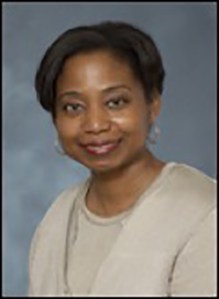
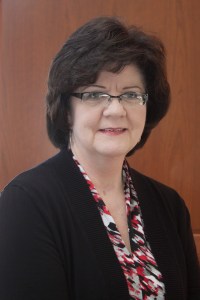
Stephanie Pickett

Americans and found that a significant relationship existed between hypertension beliefs and behaviors that affect blood pressure control. I then became interested in examining weight beliefs and weight management behaviors given that obesity is a risk factor for hypertension. I focused on African American women due to the high proportion of overweight and obese women in this group.

As I examined the weight belief literature, I discovered that most of the research about weight beliefs among African American women were qualitative studies that methodologically could not examine relationships between beliefs and behaviors. I also discovered that there were numerous instruments that measured weight beliefs that mainly focused on beliefs about obesity. These instruments gathered important information, but none measured beliefs about personal weight across the weight spectrum and none were developed and normed with African American women. My dissertation work filled this gap in the literature with the development and initial testing of the Beliefs about Personal Weight Survey (BPWS) with young African American women. This survey shows promising results with adequate reliability and validity.

My next step is to revise the BPWS to make it a useful tool for clinicians and researchers   to examine weight beliefs as a component of weight management interventions among African American women.

Help for Veterans with PTSD


Our current featured article addresses one of the most pressing health problems for those who have served in military combat – post-traumatic stress disorder.  The article, titled “Efficacy of the Mantram Repetition Program for Insomnia in Veterans With Posttraumatic Stress Disorder: A Naturalistic Study” is authored by Danielle Beck, MPH, CCRC; Lindsay Cosco Holt, PhD, RN; Joseph Burkard, DNSc, CRNA; Taylor Andrews, BA; Lin Liu, PhD; Pia Heppner, PhD and Jill E. Bormann, PhD, RN, FAAN.  The article is available at no cost while it is featured!  The program described in this paper was recently designated as an “Edgerunner” by the American Academy of Nursing.

Dr. Borman shared this message about the article for ANS readers:

As nurses, we embrace a holistic perspective to patient care. In this study, we tested a mind-body-spiritual intervention, repeating a mantram (sacred word), to help manage symptoms of post-traumatic stress disorder (PTSD) in Veterans. A “mantram” has been described as a “spiritual formula for transformation;” a self-selected, spiritually based word or phrase (sometimes called a Holy Name) that reflects all the major spiritual traditions of the world. For a more detailed description, see: The Power of the Mantram or learn about its origins from the Blue Mountain Center of Meditation.  Veterans found that this intervention promoted the relaxation response and reduced symptoms of PTSD and insomnia.

Authors of this paper collectively brought expertise from nursing, psychology, public health, and psychiatry. We wanted to capture the “real-world” experience of Veterans seeking care for their symptoms. Here is a brief video with examples and stories from veterans about their experiences:


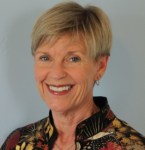
Danielle Beck

Pia Heppner

Joe Burkard

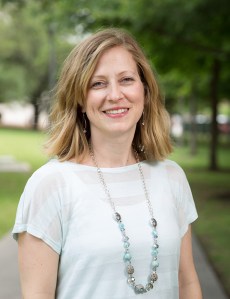
Jill Bormann

Enhancing Person-Centered Care


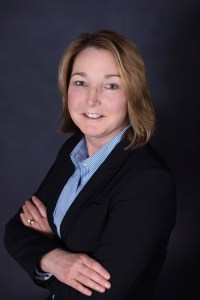
Kristin Thórarinsdóttir

For the next couple of weeks, the ANS featured article will be “Development of Hermes, a New Person-Centered Assessment Tool in Nursing Rehabilitation, Through Action Research” by Kristin Thórarinsdóttir, RN, BScN, MScN; Kristing Björnsdóttir,EdP, RN; Kristján Kristjánsson, PhD. In the article they describe the clinical application of a tool based on existentialist and hermeneutical phenomenology, a philosophy that they believe is meant to be a philosophy for real life.  I join the authors in inviting you to read their article (available at no cost while it is featured), and share your comments here!  Here is Kristin Thórarinsdóttir’s description of this work:

On behalf of my co-authors, Dr. Kristín Björnsdóttir and Dr. Kristján Kristjánsson, and myself, I would like to say that it is an honour to have our article featured in the “Editor’s Picks”. This article is a part of my PhD project at the Faculty of Nursing, University of Iceland.  My co-authors, who both are my supervisors, have guided me through the challenging but fruitful journey involved in my doctoral studies. To them I am deeply

grateful, as well as to the nurses who participated with genuine effort in developing Hermes. I am also thankful for the organizational leaders who supported the study.

The motivation for the development of the person-centered assessment tool Hermes, outlined in the article, arose in a

Kristing Björnsdóttir

project in which I was engaged, aimed at implementing standardized nursing systems at two rehabilitation wards. As the project progressed, it became apparent that the perspectives of the patients did not reveal themselves satisfactory in the existing nursing assessment at the wards. These practices raised concern for the nurses at the ward, as needing improvement, because they contradicted the person-centered approach that was independently emerging as a central aim at the wards. This recognition provided the platform for the action research through which Hermes was developed in collaboration with the nurses at the respective wards. The tool was meant to facilitate a person-centered approach to the participation of patients in nursing assessment and care planning. In this research project, I had the role of a consultant who provided for solutions in the form of the theoretical and phenomenological background of Hermes, its structure and potential use. In addition to reviewing the structure and use of Hermes, the nurses had the important role of testing out and evaluating Hermes in practice. Evaluations plans were designed through reflection in focus groups for revising and retesting the tool in practice. In spite of many challenges faced during the project, Hermes was adopted in practice at the respective wards where its use has been sustained.  The study showed that, as aimed for, person-centered assessment practices were enhanced through the use of Hermes. Moreover, several aspects of its phenomenological grounding were supported.

Since this study was conducted, an ethnographical study has been embarked upon in which the ways Hermes is used in

Kristján Kristjánsson

nursing assessment of patients with chronic pain are explored. Further studies are needed to explore the use of Hermes in practice for establishing an evidence base for its use.

The fact that Hermes has been implemented at two other rehabilitation settings, in addition to the wards where it was developed, is a positive indication of its practical applicability, but again its effectiveness stands in need of further research.


Nurses’ Unacknowledged Vulnerability: Burdensome Feelings


We are now featuring the article titled “Exposed to an Accumulation of Burdensome Feelings: Mental Health Nurses’ Vulnerability in Everyday Encounters With Seriously Ill Inpatients”  by Solfrid Vatne, PhD, RN. This article has important implications for practice, and provides insight into the knowledge and wisdom necessary for nursing practice.  The article is available for download at no cost while it is featured!  Here is a message from Dr. Vatne about her work:

Solfrid Vatne

Understanding and developing nursing practice has been my focus for teaching and area of research since the beginning of my career in education of nurses in 1980’s. The theory-practice gap in mental health nursing has been especially intriguing to me. I began questioning the students’ lack of reflection concerning dominating nursing practices, and wondering about how tacit knowledge seemed to oversteer therapeutic ideals in nursing actions such as building trusting relationships with patients.

An example of the theory-practice gap can be found in my master project that described the contradictions between having user cooperation as an ideal for practice and limit-setting actions directed towards controlling patients’ deviant behavior. My PhD-project explored the relationship between tacit and theoretical ideals further through an Action science design, based on a field study with observations, interviews, and reflection-groups, which searched for nurses’ rationality in limit-setting actions. The main finding was that nurses’ rationality was emotionally based and connected to a variation of unpleasant feelings in situations with patients whose behavior was experienced as unforeseen, deviant and sometimes dangerous. The patients experienced limit-setting as tortuous, which in turn could escalate their unforeseen behavior and hinder the nurses reaching their goal of controlling the patients’ behavior.

The possibility that both patients and nurses could be regarded as vulnerable struck me, and I became curious about shedding a new light on my data to try to understand nurses’ vulnerability in their relationships to severely mentally ill patients more deeply. This article suggests that such nurse-patient relationships could be viewed as vulnerable in themselves.


Social Justice in Nursing Education


We are currently featuring the article byWhitney Thurman, MSN, RN and Megan Pfitzinger-Lippe, PhD, RN titled “Returning to the Profession’s Roots: Social Justice in Nursing Education for the 21st Century.” In this article, the authors build a strong case for redesigning nursing education to incorporate social justice concepts throughout the entire curriculum. The article is available at no cost while it is featured on the ANS website! Here is a message from the authors describing the evolution of their article:

We are honored to have our article selected as an Editor’s Pick. This article is a great example of how doctoral students can collaborate to transform in-class assignments into scholarly publications.

Whitney Thurman RN, MSN is a PhD candidate at the University of Texas at Austin School of Nursing (UTSoN) and a Robert Wood Johnson Foundation Future of Nursing Scholar. Megan Lippe PhD, MSN, RN received her doctorate from

Whitney Thurman

UTSoN in 2016 and is a 2014-2016 Jonas Scholar. During the first semester of the rigorous doctoral program at UTSoN, students complete a philosophy course taught by Dr. Lorraine Walker, a renowned and inspirational researcher and educator. As part of the class curriculum, students write a short paper about social justice in nursing. When Megan took the course, she explored the issue of social justice content integration within nursing programs. She subsequently presented a poster on this topic at a local nursing conference and hung the poster in the hallway of the nursing building to highlight her work. Several semesters later

Megan Pfitzinger-Lippe

Whitney began the doctoral program. Having been intrigued by the poster as she walked past it countless times, Whitney approached Megan to ask about her findings. Through a series of conversations, they discovered their similar passions and interests regarding the importance of social justice in nursing education. Instead of starting from scratch for her assignment, Whitney received permission from Dr. Walker to build on Megan’s original idea in order to expand and refine it into a manuscript for publication. Whitney took the original paper and added both a historical perspective and a public health lens to the work. After receiving a grade for the assignment from Dr.

Walker, Whitney and Megan continued to collaborate on revisions until it was ready for submission to ANS. This collaboration was an excellent learning experience and reinforced the idea that careful planning can result in class assignments that are readily transformed into manuscripts suitable for publication.


Difficult Nurse-Patient Encounters


Our new featured article is titled “A Qualitative Study of Difficult Nurse-Patient Encounters in Home Health Care” by Mary Kate Falkenstrom, PhD, RN, AOCN. Visit the ANS website to download this article at no charge while it is featured, and return here to share you comments and feedback!  Here is Dr. Falkenstrom’s message about her work:

It is wonderful to have an article published in ANS and for the article to be featured in the Editor’s Picks. This is the first article to be published from the data. I am forever grateful to the nurses who participated in the study and shared their experiences. I am also grateful to the nurses and organizational leaders who were willing to share the study

Mary Kate Falkenstrom

invitation with others. Their support of nursing scholarship provided access to a diverse sample of registered nurses from Connecticut, Massachusetts, and Rhode Island. I have the utmost respect for nurses in all practice settings but especially for nurses who practice autonomously outside the walls of traditional healthcare facilities.

As an advanced practice nurse and administrator, I had the privilege to work with highly competent, compassionate, and dedicated home healthcare clinicians for over 17 years. Their level of professionalism was validated by patients and caregivers in letters, patient satisfaction surveys, and comments shared during phone and face-to-face encounters. But, incidents did occur where patients and caregivers would communicate dissatisfaction with a clinician. These encounters were described to me by the clinicians as being associated with intense anger, excessive expectations, and lack of understanding of limitations in the home healthcare setting. Strategies that were effective in defusing anger or negativity in other encounters were reported as not effective in these types of encounters. My concern for clinician safety in the field and the potential that an unwitnessed encounter could have serious performance implications for a nurse-employee led to a focus of research on patient encounters. As more and more volatile encounters are spotlighted in the media, healthcare as well as other industries will need to explore the human-to-human encounter and propose research-derived strategies that individuals can use to manage non-constructive and destructive encounters.

Thank you for taking the time to read the article. I hope the content is of value to your practice—Mary Kate Falkenstrom

Understanding Health Experience of Preterm Mothers


Our currnet featured article is title “Exploring Preterm Mothers’ Personal Narratives: Influences and Meanings” by Cherie S. Adkins, PhD, RN and Kim K. Doheny, PhD, NNP-BC.  This is an exemplary project focusing on caring in the human health experience, encompassing nursing’s dedication to a wholistic view of that experience.  Visit the ANS website while this article is featured to download the article at no cost!  Here is a message hat Dr. Adkins provided for ANS blog readers!

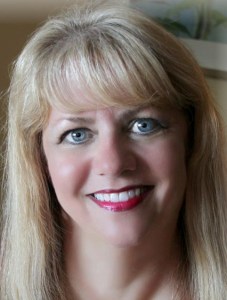
Cherie Adkins

On behalf of my co-author, Dr. Kim Doheny, and myself it is a true honor to have our article featured in the “Editor’s Picks” section on the Advances in Nursing Science website.  This article is based on my dissertation research completed as a PhD student in nursing at Penn State University.  While a doctoral student I had the privilege of working with Dr. Doheny (a neonatal nurse practitioner and biobehavioral scientist) as her graduate research assistant.  Even though my previous nursing experience included obstetrics, it was while working with Dr. Doheny that I came to more deeply understand preterm infants’ physiologic vulnerabilities and the care provided for them in the NICU.  As I grew increasingly familiar with the preterm world and the associated scientific literature, I began to wonder about the influence of a preterm birth on those most likely to care for these infants into early childhood and beyond, namely their mothers.  At the time there

Kim Doheny

was a dearth of research designed from the perspective of preterm mothers themselves; this gap inspired me to conduct the narrative inquiry study reported in this article.  I trust the lingering effect on those who read this article is that each mother of a former preterm infant has a unique, meaning-filled narrative about her mothering experience that needs to be heard and understood.

Standing Up for Science


Advances in Nursing Science, along with a host of other scholarly journals world-wide, standing for the crucial activities of science that establish what we can rely on as fact, and based on that assurance, shape wise action. But there is a now a political and cultural wave of mis-information that serves to discredit science, and to sow seeds of doubt that undermines the value of scientific credibility. In my Editorial that appears in the current issue of ANS, I address this challenge and implore all ANS readers to engage in actions to do what is needed to stand for science in all aspects of your professional and personal life.

There are two levels that I address in this editorial – the first is the substantive practices of ANS that assure readers of the credibility and authenticity of the content we publish in the journal.  In particular, we provide clear descriptions of all of our editorial practices in the “Information for Authors,” we hold membership in COPE (Committee on Publication Ethics), and we adhere to these standards and practices.

The second issue concerns what each individual, particularly those of us who engage in scholarly activities, must do to stand for the credibility of both the products and the processes of science:

  • Be aware of the best editorial practices of nursing journals that ensure the integrity of their content.
  • Learn and practice “journal due diligence” when you are seeking a journal for publication of your work.
  • Be aware of the dangers of predatory publishers. (See articles published in Nurse and Editor)
  • Ensure that your practices as a scholar are well founded and maintain a record of your practices to ensure that your work is not compromised.
  • Educate others (your patients, students, and colleagues) about your own practices to ensure the integrity of your own work and why these practices are important.
  • Network with other scholars in your area of interest to ensure that you have a community of those who share your intent to maintain the integrity of the scholarship in your field, and who can speak with confidence about the foundation on which your work is based.

This editorial is available on the ANS website at no cost while this issue is the current issue!  Visit the website now to download your copy. Cut and paste or post the list of things to do where you can be reminded every day of how crucial our actions are in this time of challenge!

Mothering: The Invisible Work of War


Our current featured article is titled “What About the Next Generation That’s Coming?” The Recontextualization of Mothering Post–Refugee Resettlement by Sarah J. Hoffman, PhD, MPH, MSN, RN and Cheryl L. Robertson, PhD, MPH, RN, FAAN; and Jessica Dockter Tierney, PhD. Visit the ANS website to download your copy of this article at no cost while it is featured.  Here is a message about this work provided by lead author Sarah Hoffman:

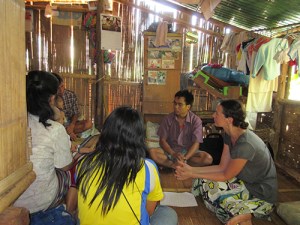
The year that I conducted this research, more individuals were living forcibly displaced around the world than at any other point in recorded history. Research describing the vulnerabilities, human rights violations, and challenges individuals, families, and communities encounter across the spectrum of migration is readily accessible. Less available are studies that document the strengths-focused response strategies women refugees engage to navigate systems and experiences associated with displacement. This manuscript, developed to answer questions residing in this gap, is a part of a series of ethnographic case studies documenting perspectives of resilience, identity construction, and mothering as they were described within the narratives of Karen refugee women from Burma. I am currently working on an ethical commentary relevant to this research titled, Reflections on Position, Interpretation, and Meaning in Ethnographic Nursing Research.

I joined University of Minnesota in the fall of 2016 as an Assistant Professor following my completion of the UMN School of Nursing PhD program. As a doctoral student I was a Human Rights minor and an Interdisciplinary Doctoral Fellow with the Human Rights Program and the Institute for Global Studies. Prior to this, I received my BSN, MSN, and MPH at Johns Hopkins University. These opportunities as well as cultural experiences as a Peace Corps Volunteer in Africa, as a human rights intern in Colombia, and through my work with migrant communities in the Twin Cities and refugee camps along the Thai-Burma border, have advanced a personal critical analysis of the influence of power on human health. My research focus includes forced migration, human rights, gender based violence, intergenerational trauma, and the experiences of women migrants.


The Ethics of Research with Muslim Immigrant Women


We are delighted to announce the first featured article for the new issue of ANS – Volume 40 Issue 1 – officially published today on the ANS website! The article is timely given the current affairs worldwide placing many people at risk based on their Muslim religion.  The article is titled “A Bicultural Researcher’s Reflections on Ethical Research Practices With Muslim Immigrant Women Merging Boundaries and Challenging Binaries,” authored by Jordana Salma, MN; Linda Ogilvie, PhD; Norah Keating, PhD and Kathleen F. Hunter, PhD.  The lead author, Jordana Salma, provided this message about this work:

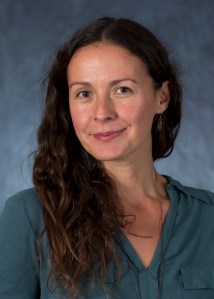
Jordana Salma

There are manuscripts that I have written because I have to. This manuscript I wrote because I needed to. I am, to put it in the simplest terms possible, a bilingual bicultural Muslim Lebanese Canadian woman. The convoluted nature of trying to capture in writing this aspect of my identity was amplified ten-fold in living this identity while doing research.  It took me a year of writing and re-writing, with the support and input of my co-authors, to complete the finished version you see in ANS. I began writing to make sense of my experiences of completing a dissertation research project. My co-authors frequently reminded me to move beyond personal reflection towards thinking about the implications of my experiences for the broader community of researchers engaged in research activities with Arab and Muslim women. I could not have completed the final version without their mentorship and perspectives. I see this article as highlighting three points:

  • Bicultural researchers can uncover ethical tensions because they live between worlds and, subsequently, are witness to different world views, normative practices, and ethical systems.
  • Muslim women, both as researchers and as research participants, can and should be actively engaged in shaping ethical research practices.
  • Feminist and Islamic perspectives can be utilized together to reconcile perceived ethical tensions when doing research.

Readers will interpret and draw on different aspects of this article based on their personal needs and insights. I do hope that the article supports in some small way the ongoing discussions around inclusion, equity, and diversity in our research spaces. I am excited to continue this conversation with communities of researchers actively working to promote and advocate for ethical research practices.