Skip to content

Posts from the ‘Editor’s Picks’ Category

A Proposed Conceptual Model for Nursing Based on Iranian Mysticism and Wisdom


The current featured ANS article is authored by Lida Nikfarid, PhD, titled “Human as an Embodied Spirit”: A Proposed Conceptual Model for Nursing Based on Iranian Mysticism. While this article is featured, you can download it at no cost from the ANS website! Dr. Nikfarid shares this information about her work for ANS readers!

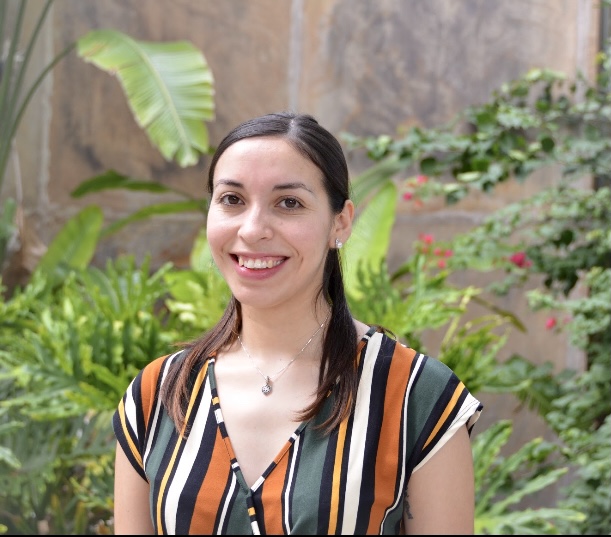
Dr. Nikfarid

Nursing theories have been influenced by Western philosophy. For example, existentialism and humanism, which are more or less dominant in nursing theories, are based on Western philosophical thought. Man as the incarnate soul is an Eastern conceptual framework for nursing. The framework has its roots in Iranian philosophy and mysticism, dating back thousands of years. But its main concepts have developed from the theories of Mulla Sadra, Ibn Sina, and Rumi, who are Iranian philosophers, physicians, and Sufi poets, respectively. Ibn Sina’s views are rooted in the philosophical thought of ancient Greece, especially Aristotle and the Unani holistic system of medicine. His unique system of medicine, now academically, is part of the Iranian medical system as traditional Iranian medicine and scientists in this field are working hard to establish Provide scientific and evidence-based for this holistic medical system. Mulla Sadra’s theory of the unity of the essence of beings and their ranking is consistent with modern physical concepts, and finally, in Rumi’s poems, the predominant theme is love. But the conceptual framework of man as an embodied soul is designed with nursing terminology, secular and testable in any population. In this context, the art and science of nursing can be classified into two categories of knowledge-based and love-based interventions. They are considered complementary, and each cannot bring the patient to health without the other. In this context, the concept of human has a novel and unique definition that can explain the range of physical, mental, social, and spiritual health problems and provide them with physical, cognitive, and spiritual interventions. The concept of temperament, the relationship between soul and body, ranking of the soul and having powered in each rank, the issue of balance in temperament and performance of powers to achieve health and harmony with other parts of the universe to maintain and promote the health of others for emerging nursing literature But they are rich, comprehensive and holistic. Eastern views on the development of nursing theories should not be overlooked.

Covidicene Talk: A Philosophic Reckoning


The first featured article in the current ANS issue is titled “Patterns of Knowing and Being in the COVIDicene: An Epistemological and Ontological Reckoning for Posthumans” authored by Brandon Blaine Brown, MSN, RN-BC, CNL; Jessica Dillard-Wright, PhD, MA, CNM, RN; Jane Hopkins-Walsh, MSN, PNP-BC, RN; Chloe O. R. Littzen, PhD, RN, AE-C and Timothea Vo, BS, RN, CTN-B. The article is available at no cost while it is featured, and we are eager for your comments and discussion here! The authors provided this video in which they discuss this timely work!

Theory of Planned Behavior


The current ANS featured article is titled “Analysis and Evaluation of the Theory of Planned Behavior” by Sueyeon Lee, MSN, RN and Catherine Vincent, PhD, RN. Download your copy of this article while it is featured, and share your comments below – we welcome your discussion! Here is a message sent by Sueyeon Lee about this work:

To explain and predict various human health behaviors, many theories and frameworks have been applied in the nursing discipline. As one of the most influential behavioral theories, the Theory of Planned Behavior has been widely used to predict a number of health-related behaviors and has contributed to knowledge development in nursing. However, the theory has not been examined in depth based on a nursing framework for systematic theory analysis and evaluation. Moreover, there is a need to determine whether the theory can be effectively applied in the current nursing context, in which nursing care, human behavior, and related factors are continuously changing. In our article, we comprehensively and in detail analyzed and evaluated the Theory of Planned Behavior based on Fawcett and DeSanto-Madeya’s nursing framework.

Also, we reviewed previous studies about health behaviors such as physical activity, diet management, and smoking cessation among people with cardiac disease—the leading cause of death worldwide—and evaluated the theory’s application in this population. We think that our results will contribute to a better understanding and appropriate application of the theory within the nursing domain.

Complexities of Nursing


The current ANS featured article is titled “Complexities in Studying and Practicing Nursing—A Theoretical Elaboration Based on Reflections by Nurses and Nursing Students” authored by Joakim Öhlén, PhD, RN; Annette Bramstång, MScN, RN; Frida Lundin Gurné, MScN, RN; Anneli Pihlgren, BSc, RN; Marie Thonander, MScN, RN; and Marit Kirkevold, EdD, RN. You can download this article at no cost while it is featured, and we welcome your comments and discussion of this article in the comments below! This is a message that Dr. Öhlén provided about this work:

We’ve explored ideas about nursing as a subject from the perspectives of nurses and nursing students. The motive for the project was discussions about current nursing practice and the development of nursing as a subject, which in our Swedish healthcare as well as scholarly context has been characterized by a sometimes really intense debate about terminology (nursing vs caring), what it should encompass (generic caring knowledge vs professional nursing knowledge and skills), and where its boundaries with other subjects lie.

For this reason, we performed a participatory action project to explore nursing students’ and clinically active registered nurses’ experiential ideas about nursing – to provide a foundation for a critical reflection on the complexities involved in studying and practising nursing. We performed two empirical cycles and one final cycle with a theoretical interpretation. In total there were 238 participants. We who undertook the study are all nurses in metropolitan Sweden; professors, teachers, clinical nurse specialists and nursing students.

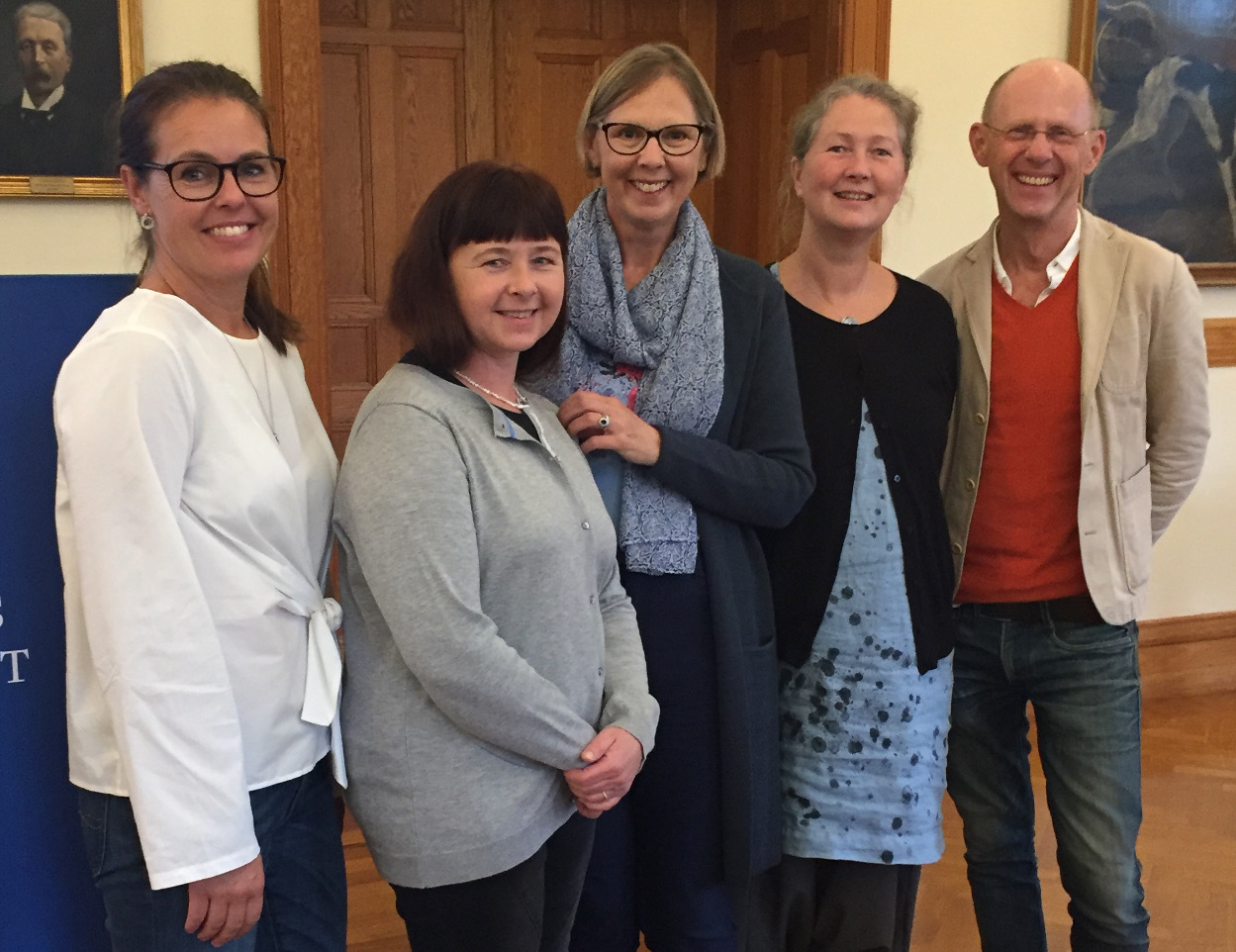
L-R: Marie Thonander, Annette Bramstång, Marit Kirkevold, Anneli Pihlgren, Joakim Öhlén (Frida Lundin Gurné is missing)

From focus group data we identified nine experiential ideas about nursing as a composite of subject, nursing practice and being a nurse. The ideas ranged from Nursing is holistic to Nursing is prioritising, and to Nursing is following check-lists and guidelines. Then, the ideas were presented to supervisors in clinical practice, teachers/researchers and students, and all of these perceived all nine ideas to be important foci for students’ learning in clinical practice. Finally, the ideas identified were related to clinical gazes and to two different epistemological structures.

We think our result will contribute to explain the confusion many nursing students and practising nurses express with regard to nursing as a composite of subject, nursing practice and being a nurse. We hope you’ve been interested in the article and here you can listen to us telling about the study, and that reading it will open up for critical reflections, commentaries and for the discussion to be continued. Thank you

Frailty in Older People Living With HIV


The current ANS featured article is titled “Frailty in the Context of Older People Living With HIV: A Concept Analysis” by Evelyn Iriarte, MSN, BSN, RN; Rosina Cianelli, PhD, MPH, RN, IBCLC, FAAN; and Joseph De Santis, PhD, APRN, ACRN, FAAN. While this article is featured you can access it on the ANS website at no charge here

Evelyn Iriarte

I am currently a PhD candidate at the School of Nursing and Health Studies at the University of Miami. My dissertation is entitled “Impact of HIV Self-Management on Multidimensional Frailty and Quality of Life among Hispanic/Latinx People Living with HIV Infection Aged 50 and above”.  In the context of developing my dissertation, I wrote this concept analysis aimed to analyze the concept of frailty in the context of older people living with HIV (PLWH). The reasons to start writing this article were that despite advances in knowledge about older PLWH, frailty remains a challenge to HIV care. Numerous studies have documented its impact; however, the concept remains unclear. This knowledge is needed to promote an increased understanding and recognition of frailty among PLWH due to its potential preventive role within health care services. However, there is still much debate about the concept and its’ measurement, as this concept has not been clearly explored and defined within the context of older PLWH.  

This concept analysis provides an initial framework for understanding frailty in the context of older PLWH that includes attributes such as older age, inflammatory, hormonal, and immunological dysregulation, HIV-specific factors, comorbidities, and social, structural, and behavioral factors. Furthermore, frailty is evidenced as a state of vulnerability to HIV infection stressors, unintentional weight loss, exhaustion/fatigue, slower gait speed, decreased physical activity level, and muscle weakness. This state is manifested through several adverse outcomes that can impact health and quality of life.

In light of the current potential impact on health care, frailty requires further empirical and conceptual work. It is critical to continue developing research to advance the knowledge about frailty among older PLWH, principally regarding its assessment and interventions to prevent or treat frailty centered in holistic care.

Authors L-R: Dr. Joseph De Santis, Mrs. Evelyn Iriarte, and Dr. Rosina Cianelli
ANAC Conference 2021

Integrated Chronic Care Model


The current ANS featured article is titled “Complex Adaptive Systems: A Framework for an Integrated
Chronic Care Model
” by Patricia R. Gilman, PhD, MSN, APRN, ACNS-BC. While this article is featured you can download it at no cost from the ANS website. Dr. Gilman shared with us this background about her work:

Patricia Gilman

As a board-certified advanced practice clinical nurse specialist in adult health, my work centers on improving healthcare quality and outcomes within patient, nursing, and systems spheres of influence. Starting my nursing career more than forty-five years ago as an LPN in a rural Minnesota community hospital, I went on to earn an associate degree at the Brainerd Community College in 1986, a bachelor’s degree at Augsburg College in Minneapolis, MN in 2007, and a master’s degree at Winona State University in Winona, MN in 2010. I am a Robert Wood Johnson Nursing and Health Policy Fellow and received my Ph.D. in nursing and health policy from the University of New Mexico Albuquerque in 2018. My research examined the relationships between states’ practice authority, professionalism, autonomy, and interprofessional team function among advanced practice nurses across the U.S. I am a strong advocate for nurses and advanced practice nurses’ ability to practice at their highest level of education and licensure. I have served as a member for the Legislative and Regulatory Committee of the National Association of Clinical Nurse Specialists (NACNS) and am a member of the College of Cardiology, Society of Critical Care Medicine, American Association of Critical Care Nurses, NACNS, American Association of Heart Failure Nurses, and Sigma Theta Tau and Phi Kappa Phi Honor Societies.  

I have a broad clinical background encompassing ambulatory clinics, small, medium, and large academic hospital settings. Currently, I work as a clinical nurse specialist at a hospital within a large healthcare system in California’s Central Valley region. Aside from facilitating improvements in patient care quality, standards of nursing care and nursing practice, and system processes, I support and conduct evidence-based practice and research projects. Research interests and projects include chronic care and heart failure populations, end-of-life care, advanced practice nursing practice, nursing theory, and healthcare policy.

The model presented in my article needs refining and testing to see how significant the effects of external agents are on treatment regimens for individuals with chronic conditions. Given the time and resources to do it, this model depiction is just the beginning of a highly complex system that would be intriguing to explore; the intent is to stimulate thought about future research using Complexity Science, specifically CAS,  to understand complex relationships among populations with chronic conditions.

My other accomplishments include songwriting, music performance, and medium to large-scale stained-glass artwork. With my husband, John, we enjoy motorcycle riding and spending virtual time with our two adult children and two teenage granddaughters who live in Minnesota.

Integrated Chronic Care Model

Synergy Model for Patient Care


The current featured ANS article is titled “Description and Evaluation of the AACN Synergy Model for Patient Care Employing the Critique Frameworks of Chinn and Kramer (2011) and Fawcett and DeSanto-Madeya (2013)” authored by Soyun Hong, MSN, RN and Eunkyung Kim, MSN, RN, nurse scholars at Yonsei University in Seoul, Republic of Korea. While this article is featured, you can download the full PDF at no cost. The authors shared this background about their work for ANS readers:

This study aims to describe and evaluate the AACN Synergy Model for Patient Care that aligns nurses’ competencies with the needs of patients and their families, developed by the American Association of Critical-Care Nurses. The description focuses on objectively explaining the theory, while the evaluation is based on established standards to determine its viability for application in nursing practice. This study applies Chinn and Kramer’s (2011) theoretical description method and Fawcett and DeSanto-Madeya’s (2013) theory analysis method to evaluate the AACN Synergy Model for Patient Care. The results show that the AACN Synergy Model for Patient Care makes it possible to confirm the concepts and characteristics of nursing by providing a theory that explains nursing practice within the health care system. Further, the AACN Synergy Model for Patient Care is a framework that properly matches patients’ characteristics with nurses’ competencies in achieving optimal outcomes and nurses’ satisfaction at its core. The current description and evaluation of the AACN Synergy Model for Patient Care suggests that it is a well-developed middle-range theory with social and theoretical significance. Moreover, it is an effective framework for nursing practice and research to visualize the impact of nursing.

AACN Synergy Model for Patient Care

Racial Discrimination and Pregnant African American Women


The current ANS featured article is titled “Perceived Racial Discrimination in the Pregnant African
American Population: A Concept Analysis
” authored by Megan R. Mileski, MSN, RN; Maria R. Shirey, PhD, MBA, MS, RN, NEA-BC, ANEF, FACHE, FNAP, FAAN; Patricia A. Patrician, PhD, RN, FAAN and Gwendolyn Childs, PhD, RN, FAAN. While the article is featured you can download and read it at no cost! Here is a message about this work from the primary author, Megan Mileski:


Megan Rutland Mileski

I am currently a PhD candidate at the University of Alabama at Birmingham School of Nursing conducting a dissertation entitled “Exploring the Relationship Between Chronic Stressors and Protective Factors and Preterm Birth Risk in an African American Pregnant Population”.  My primary research interest is to better understand the relationship between perceived racial discrimination and adverse birth outcomes such as preterm birth and maternal mortality/morbidity rates in the United States, particularly in the South.  I hope to build a program of research with this as my focus and found it critical to first define “Perceived Racial Discrimination in the Pregnant African American Population.”

Symptom Management for Adults with Cancer


The current ANS featured article is titled “Symptom management Theory: Analysis, Evaluation, and Implications for Caring for Adults with Cancer” by authors Asha Mathew, MBA, MSN, RN, RM; Ardith Z. Doorenbos, PhD, RN, FAAN; and Catherine Vincent, PhD, RN; College of Nursing, University of Illinois, Chicago. The PDF of the article is available for download at no cost while it is featured, and we encourage readers to share your responses here. Asha Mathew sent this summary of their work for ANS blog readers:

Asha Mathew Solomon

Theories of symptom management help nurse researchers organize the intricate relationships within the symptom experience. Our article presents a detailed analysis of the Symptom Management Theory (SMT) using Fawcett and De-Santo Madeya’s criteria for theory critique. To examine the application of SMT among adults with cancer, we performed a systematic review and identified 20 research studies that operationalized SMT concepts and propositions in adults with cancer. Further, using Silva’s evaluation criteria for empirical testing of a theory, we identified that only 35% of the studies had used the SMT to an adequate extent. We concluded that using SMT in longitudinal studies and comparing cancer-related outcomes with and without use of SMT are warranted.

Ethical Leadership and Moral Sensitivity


The current ANS featured article is titled “Effect of Ethical Leadership on Moral Sensitivity in Chinese Nurses: A Multilevel Structural Equation Model” by Na Zhang, PhD; Xing Bu, MBA; Zhen Xu, PhD; Zhenxing Gong, PhD and Faheem Gul Gilal, PhD. This article from researchers in China and Pakistan will be available for download while it is featured. We invite you to engage here with the authors and other ANS readers about this work! Here is a message from Dr. Zhang about this work:

This article aimed to explore the relationship between ethical leadership (a contextual factor at the higher organizational level) and nurses’ moral sensitivity (the individual outcome at a lower level), a cross-sectional quantitative study design was used. Participants were 525 nurses at 65 various departments in public tertiary hospitals. These results showed that ethical climate played a mediating role in the relationship between ethical leadership and nurses’ moral sensitivity. Moreover, nurses’ employment type moderated the mediating effect of ethical leadership on their moral sensitivity. Additionally, the link between ethical climate and moral sensitivity of contract nurses was stronger than that of nurses employed by the state.