The current ANS featured article is titled “An Exploratory Study of Social Media Use and Management by Nursing Journals” authored by Jayne Jennings Dunlap, DNP, FNP-C; and Julee Waldrop, DNP, PNP, FAANP, FAAN. We invite you to download the article at no cost while it is featured, and share your comments here. Dr. Dunlap sent this message about this work for ANS readers:
Jayne Jennings Dunlap
I am the Director of Social Media at the Journal for Nurse Practitioners and my co-author Julee Waldrop is the Editor-in-Chief. Social media posting and presence take time and resources. As we considered expanding our journal’s social media platforms, we wondered what other nursing journals were doing. In searching the literature, we discovered that medical journals have looked at the concept of social media editors for some time but to date there has been no nursing specific literature on this topic. This knowledge motivated Julee and I to explore the use and management of social media at nursing journals.
Nurses as leaders and patient advocates may be interested in how peer-reviewed nursing journals are currently using social media and the role of the social media editor. We believe this is an evolving and important area for investigation and Julee and I hope to continue tracking more information as we begin to understand social media impacts which may transcend the discipline. Nurses should lead, always. And this is an area ripe for future research.
The current featured ANS article is titled “Exploring the Accuracy of Cited References in a Selected Data Set of Nursing Journal Articles” authored by Leslie H. Nicoll, PhD, MBA, RN, FAAN; Marilyn H. Oermann, PhD, RN, ANEF, FAAN; Heather Carter-Templeton, PhD, RN-BC, FAAN; Jordan Wrigley, MSLS, MA; and Jacqueline K. Owens, PhD, RN, CNE. Head on over to the ANS website and download this article while it is featured and share your comments here. Dr. Nicoll shared this message about this project:
Leslie H. Nicoll
I heard Karin Kirchhoff speak at a conference almost 40 years ago on the topic of accuracy of reference in nursing journals. This topic has been on my mind ever since and I have always used her original research as a benchmark for accuracy. Our study shows that accuracy has improved dramatically over the past four decades. We found low error rates overall and only 1.3% of references (8 out of 666) could not be retrieved at all. I attribute much of this change to electronic resources for searching, retrieval, and reference management, at both the local and global level. This is a very positive finding.
One thing that struck me, as I sorted through and carefully looked at actual citations, is how little the format has changed, even though the type and location of sources has changed dramatically. APA style was first introduced in 1929 and at that time they asked for the author name(s), article title, journal title, year, volume, and page numbers. At that time, those guidelines probably sufficed for the vast majority of citations, except for maybe the occasional dissertation or reference to a legal citation. Now, almost 100 years later we are basically using the same format, with the addition of the DOI. However, how and where we retrieve information is vastly different. Print journals are no longer the norm; in fact, it is probably safe to say that journal articles are no longer the primary source for information. They share the stage with reports, white papers, policy briefs, legislative documents, blogs, dissertations, fugitive literature and more. Does this 100 year old APA format really work to provide accurate and concise information to retrieve a citation anymore? Maybe it is time to rethink what exactly needs to be included in a citation and make it as streamlined and versatile as possible. Scholars, authors, and students need to be able to move beyond styling references as part of their authorial activity. It’s tedious and time consuming and at this point, provides very little added value. Time to call for a reference citation revolution!
Persons with PIMD have difficulty communicating both verbally and nonverbally, and are susceptible to life-threatening situations. Therefore, these individuals have high medical dependency and require concentrated care. However, the uniquely Japanese tradition of “shame culture” constrains the lives and behaviors of persons with PIMD and their families.
Tomoni Sato
Japan has a long cultural background of “shame culture” and thus Japanese parents have typically been more reluctant to let children with disabilities out in public. Japanese people place great value on obligations and repaying favors, and “shame” is an emotion that is evoked when one is unable to meet an obligation or return a favor. Japan also used to have a “family reign system,” in which a male succeeded the family genealogy, so the birth of a male child has traditionally been desired.
The family reign system was abolished in 1947, but the belief that the birth of a child with a disability disgraces the family has persisted. Against this backdrop of “shame culture” and the resultant tendency toward prejudice and discrimination, an increase was seen in the number of cases in which Japanese families refused to take their children with PIMD home from the hospital or infant care home. As a countermeasure, a policy was implemented to place children with PIMD in a facility for protection and ryoiku (treatment, childcare, and education). As a result, participation in society by persons with PIMD in Japan was delayed and has only been considered since the beginning of the 21st century. In 2010, the Japanese government created a system that aimed to support independence based on the principle of normalization, stipulated participation by persons with PIMD in social activities as equal members of society through self-selection and selfdetermination, and proceeded to introduce necessary laws.
In this study, care that emancipates persons with PIMD and their families from Japanese “shame culture” was identified using ethnographic research methods. Nurses and welfare staff at a day care facility provided coordinated care to address the medical needs of persons with PIMD and to promote their self-expression and autonomy. This result should be of interest to a broad readership, particularly researchers and practitioners in the field of palliative care. This research provides insight into ways to support persons with PIMD and their families to emancipate them from Japanese “shame culture” and enable their autonomy.
The featured ANS article for the next two weeks is titled “Patient Deterioration on General Care Units: A Concept Analysis” authored by Mary Rose Gaughan, MS, RN, CNE and Carla R. Jungquist, PhD, ANP-BC, FAAN, both at the School of Nursing, University at Buffalo (SUNY Buffalo). While this article is featured, please visit the ANS website where you can download it at no cost, and we welcome you to add your comments here about this work. Here is a message from Mary Rose Gaughan about this work:
Mary Rose Gaughan
I have been a practicing critical care and emergency room nurse in upstate New York for many years. During my time at the bedside, I have directly observed patients exhibit specific cues that alert the nurse that deterioration is occurring. This concept is difficult to teach by textbook and requires direct observation to understand the phenomena. My future research will involve interviewing expert nurses to clarify these cues that hallmark patient deterioration.
The time has arrived for me to “retire” from my role as Editor of ANS, and to engage a nurse scholar to assume this role starting in January 2023! The Call for ANS Editor is now posted ! Download PDF.
Contradictions between theory and practice are well known in nursing. To this end, this article discusses a learning strategy that might facilitate the capture of the dialectic between theory and practice, equally valid components of a nurse’s competence, giving the 2 forms of knowledge equal relevance. Using a virtual platform (ie, the “third room”) decreases the power order between different forms of knowledge. Nurses, students, and teachers all contribute to a seminar using nonhierarchical structures and concepts to capture the knowledge that enables to learn the praxis of nursing. Key words: discourses, nursing education, philosophy, power order, virtual seminar, work integrated learning.
The current featured article for ANS is titled “’Be Strong My Sista’ – Sentiments of Strength From Black Women With Chronic Pain Living in the Deep South” authored by Lakeshia Cousin, PhD, APRN, AGPCNP-BC; Versie Johnson-Mallard, PhD, WHNP-BC, FAANP, FAAN; and Staja Q. Booker, PhD, RN. We welcome you to download this article at no cost while it is featured, and share your comments below in the ‘comments’ section. Here is a message that co-author Staja Booker shared about this work:
After meeting a Black woman on vacation who voluntarily shared her raw experience of living chronic pain, it was clear that this conversation was a true representation of how many Black women feel living with chronic pain. But more importantly, we were convinced that the story of aging Black women with chronic pain had to be shared, but from a perspective that could (1) adequately explain the cultural context of coping because of the gendered racial socialization that plagues us throughout our lives and (2) realistically educate healthcare providers about Black women’s nuanced experience of living with pain and seeking pain care in an unjust healthcare system.
The traditional connotation and expectations of “strength” have been associated with women who identify as Black for many decades. The Strong Black Woman (and its corollary The Superwoman Schema) is a unique cultural phenomenon with both paradoxically endearing positive and enduring negative characteristics. While evidence of the Strong Black Woman was robust in our sample, we also identified that women with a lived experience of chronic pain also submitted to God for strength and code-switched to counter the weaponization, misunderstanding, and implicit bias of being perceived as “strong” in healthcare encounters.
Research now and in the future must leverage the inner strength of the “sisterhood” and spirituality as cultural assets to empower Black communities to effectively manage chronic pain. We hope this work will lead to a greater appreciation of narrative inquiry of underrepresented individuals as rigorous scientific evidence that can lead to innovative and equitable health solutions that transform lives. “There is a kind of strength that is almost frightening in Black women. It’s as if a steel rod runs right through the head down to the feet” (Dr. Maya Angelou).
HOPE Women’s Group (author Staja Booker in the green/blue sweater in the center)
This just appeared out of nowhere just now and I had totally forgotten writing it – but it would have been so appropriate 2 years ago – not that it will not continue to be appropriate going forward because the earthquake/hurricane/tsunami is still ahead of us.
Yesterday Thomas Cox sent around a terrific commentary on what is happening in Japan, and with his permission, I am posting it here. If you want to see the actual post on the Nurse-Philosophy list, go to this link: http://bit.ly/hUfKBM.
But this is so important, I am posting it here in its entirety:
Risk – The Real Butterfly Effect
by Thomas Cox, PhD, RN, author of the soon to be available book: Standard Errors: Life, Health & Death When Hospitals, Long Term Care Facilities, Home Health Agencies, Physicians & Nurses Are Insurers.
I have resisted the impulse to comment on Japan. But there are only a few “Teachable moments” as profound as this one.
45+ years ago somebody thought it would be a great idea to build a nuclear reactor along the pacific ocean coastline in a country with high seismic activity and high risks of tsunamis.
The current featured ANS article is titled “Feminist Abolitionist Nursing,a” authored by Martha Paynter, MSc, RN; Keisha Jefferies, MN, RN; Leah Carrier, BScN, RN; and Lorie Goshin, PhD, RN. This article is published “open access” which means anyone can download the PDF at any time! We welcome you to do so, and to share your comments about this work with us on this blog! Here is a commentary about this work from primary author Martha Paynter:
Martha Paynter
COVID-19, the dominant theme in health care discourse for the past two years, has forced a new level of reckoning among care providers about the ethics of incarceration when prisons are so vulnerable to infectious disease transmission. At the same time, health care providers are recognizing the violence of policing and imprisonment, often lethal, is disproportionately borne by Black and Indigenous people. These twinned socio-clinical crises have served as the background to rising levels of consciousness and consideration of abolition- a movement to end policing and prisons and create alternatives that support communities to thrive. Abolition feminism recognizes the connectedness between gender discrimination and violence against women, trans and nonbinary people with the bias and violence of the criminal justice system, and resists impulses to respond to gendered social harms with further investment in carceral controls. The aims of nursing- to heal, to support, to prevent harm- conflict intractably with the operations and intentions of prisons and policing. Situated in the medical heteropatriarchy, nursing resistance of health institutional subordination and prison operations requires complex feminist praxis. It also requires challenging white supremacy within nursing, and the proximity of nursing to colonial and racist systems of control. Our paper is a call for action for nursing to reject the taken-for-grantedness of carceral responses to social harm; to recognize the urgency of abolition to address the escalating numbers of women, trans and nonbinary people experiencing incarceration, and the gendered harms of imprisonment; and to adopt abolitionist ethics in research, policy, and practice through creativity, solidarity, and persistence.
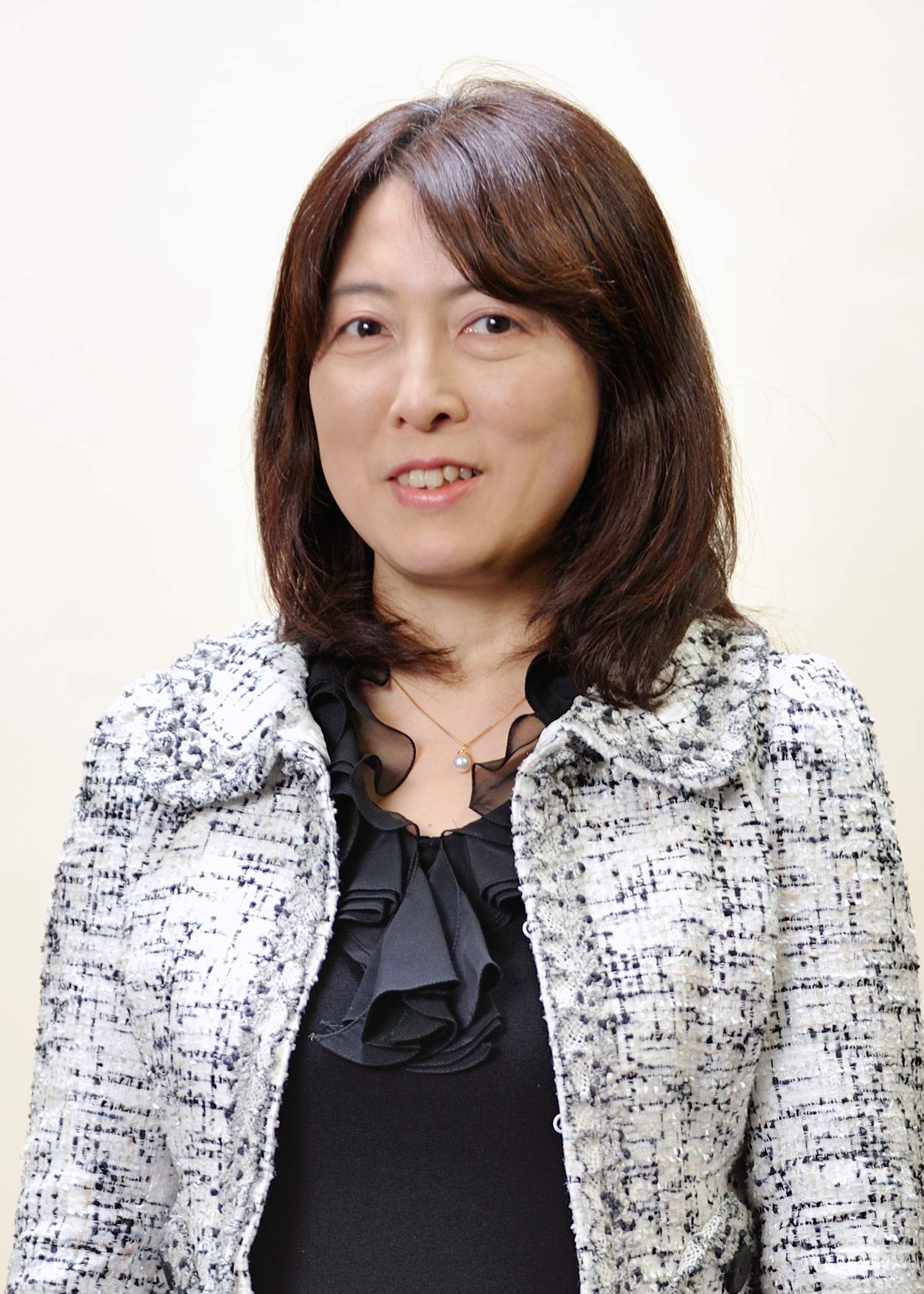
The Theory of Planned Behavior (TPB) originally developed by Ajzen has long been a useful conceptual framework for my research, including my master’s thesis study and my projects early in my doctoral program. During the first year of my PhD program, I decided to analyze and evaluate this theory in a nursing theory class, and with the assistance of a colleague, I eventually developed this assignment into a publication in ANS.
Despite my generally positive evaluation of the TPB, I acknowledge that its use in nursing research and practice has been somewhat controversial, depending on individual researchers’ perspectives. I remember that I was excited to discuss how theory could advance nursing in my class, but theory testing as well as application of theories borrowed from other disciplines were debated among my classmates in 2019. At that time, I agreed that use of a borrowed theory can be beneficial for capturing nursing phenomena and for contributing to the development of nursing.
To comprehensively analyze a nursing theory, the author’s intentions in disseminating the theory need to be systematically examined, as do later theory revisions. Our manuscript analyzed and evaluated the TPB, which originated in the social psychology field, using Fawcett and DeSanto-Madeya’s framework, which was intended to be applied to nursing theory. A theory borrowed from another discipline will not fully reflect the values and concerns of nursing. However, rather than simply dismissing theories such as the TPB from consideration for the nursing discipline, I contend that different criteria should be employed for evaluation of borrowed theories.
In our case, we could not fully apply some of the elements of Fawcett and DeSanto-Madeya’s framework in our paper. For example, the TPB does not fully incorporate the nursing metaparadigm or include philosophical statements about nursing. Consequently, our paper recommended consideration of additional criteria for evaluation of borrowed theories. I believe that among other potential benefits, use of borrowed theories in nursing raises important questions such as “what are nursing phenomena?” and “what is the definition of nursing?”
I favor the definition of holistic nursing care, and a prerequisite for holistic care is to understand the human being and everything that surrounds the human experience. Consequently, describing the scope of holistic care is extremely challenging, but the new perspectives offered by a borrowed theory can facilitate understanding of such care.
Considering that all efforts from theory development and testing to application in various practice situations contribute to the advancement of nursing, what is your opinion of using the TPB for nursing advancement?
The essential purposes of ANS are to advance the development of nursing knowledge and to promote the integration of nursing philosophies, theories and research with practice. We expect high scholarly merit and encourage innovative, cutting edge ideas that challenge prior assumptions and that present new, intellectually challenging perspectives. We seek works that speak to global sustainability and that take an intersectional approach, recognizing class, color, sexual and gender identity, and other dimensions of human experience related to health.
This journal is a member of, and subscribes to the principles of, the Committee on Publication Ethics (COPE) www.publicationethics.org
The ANS Blog provides a forum for discussion of issues raised in the articles published in Advances in Nursing Science. We welcome all authors and readers to post your comments and ideas on the blog! If you would like to be an author on this blog, let us know!
The journal Editor is Peggy L. Chinn, RN, PhD, FAAN. Dr Chinn founded the journal in 1978.















 ANS: Advances in Nursing Science Blog