Skip to content

Cultural safety and competence in addressing structural inequities


The article titled “Aboriginal Women’s Experiences With Gestational Diabetes Mellitus: A Participatory Study With Mi’kmaq Women in Canada” is now featured on the ANS website.  In this article the authors, Joanne Whitty-Rogers, PhD, RN; Vera Caine, PhD, RN and Brenda Cameron, PhD, RN, explore and gain insight into the experiences of Mi’kmaq women with gestational diabetes mellitus in 2 First Nations communities in Nova Scotia. You can download the article at no charge while it is featured, and we encourage you to return here to share your comments!  Dr. Whitty-Rogers shared this message for ANS readers:

This research arose from my experience working as a non-Aboriginal Registered Nurse with Aboriginal women and families in maternal child nursing as a new nurse in a the Neonatal Intensive Care Unit. It was at this time in my nursing career that I began to care for many Mi’kmaq babies and mothers.  My encounters with the parents were frequent, yet I felt a sense of distance between them and myself and did not understand why.  Although I

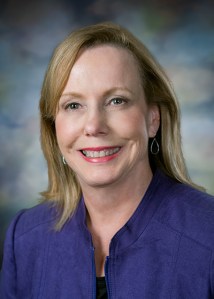
Joanne Whitty-Rogers

Joanne Whitty-Rogers

tried to communicate in a caring and professional manner, I felt that my knowledge, skills, and understanding of how to communicate effectively with Mi’kmaq mothers and families were not meeting their needs.  This lack of effective communication created frustration for me and I believe was the reason why some Mi’kmaq women would not attempt to engage in any dialogue and would limit their time visiting their babies in the Neonatal Intensive Care Unit.  Looking back, I realize I was experiencing disembodiment because I was unable to verbally communicate in a way that the women could understand.

As the years went by, and I continued to study and do research as part of my Masters and PhD in nursing, I knew I needed to explore more about the experiences of Aboriginal women and families in the area of Perinatal nursing. I believe that build a trusting and collaborative relationship with the women was going to be critical in working together. At the time,   gestational diabetes mellitus was and continues to be a serious and prevalent health problem for Aboriginal
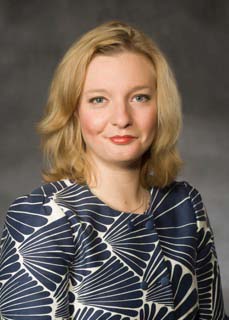
Vera Caine

Vera Caine

women. I wanted to gain a better understanding of their experiences and glean ways to help them improve their health outcomes.

Fortunately, I met Dr. Brenda Cameron and Dr. Vera Caine who both agreed to be co-supervisors for my PhD study. They were both researching in Aboriginal women’s health and understood the barriers to receiving access to equitable healthcare.  We have had very rich conversations about ways to improve Aboriginal women’s help which has been beneficial in the work we do with Aboriginal people.

Despite educated health care providers and extensive research in health care, Aboriginal women continue to experience discrimination, and marginalization in healthcare settings across Canada.  Recognizing racism and

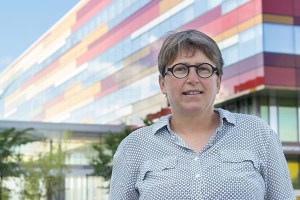
Brenda Cameron

Brenda Cameron

injustices embedded in life experiences can provide a beginning point for the health care system to respond in a way that is culturally competent, caring, and humane.

Our nursing education has helped us to develop an understanding of diversity, inclusivity, and to be more pro-active and responsive to the changing health care needs of society. We believe that sharing this research with nurses and other health care providers will help them gain more knowledge into the importance of providing more culturally competent and culturally safe health care.


Promoting Health for Hispanic Women


The current featured ANS artice addresses the challenge of cultural diversity and understanding cultural factors that influence health.  This article, titled “Evaluation of 3 Behavioral Theories for Application in Health Promotion Strategies for Hispanic Women” by Daisy S. Garcia, PhD, MSN, examines these complex issues.  The article is available to download at no cost while it is featured on the ANS website, and we invite you to read this article and return here to share your comments!  Here is

Daisy Garcia

Daisy Garcia

Dr. Garcia’s message for ANS readers about her work:

I want to thank ANS for giving me the opportunity to share this article with its readers—particularly with those who work in finding ways to enhance the health of Hispanic/Latino women living in the Unites States.

Behavior modification is key for a healthy life, free of diseases. This task can be difficult to achieve in diverse populations such as Hispanic women. There are a variety of ways in which this group of women differs. For example, independent of the number of years that Hispanic women have lived in the U.S., some women maintain strong cultural believes, while others easily acculturate and adopt new behaviors to function effectively in different environments. The obstacles that Hispanic women need to overcome to access health care are additional factors that may limit health practitioners’ ability to reach these women in order to educate and inform them about practicing healthy behaviors. Health education through health promotion programs are instruments that can successfully achieve health-enhancing behavioral change—specifically, those programs designed using a theoretical framework that suggests ways to attain positive behavior change.    

My experience working with Hispanic women and my background as an educator led me to look into health promotion strategies addressing Hispanic women as well as to identify the theories guiding these strategies so that I could incorporate them into my teachings. Through this quest, I found that information on the selection of theories suitable for developing a health strategy catering to the diverse population of Hispanic women was scarce. In this article, I analytically evaluate two of the most common behavioral theories in health promotion and a nursing theory in the context of access to U.S. health care by Hispanic women. This evaluation is completed using a practical instrument, as the purpose of this article is also to offer readers an example of theory evaluation with a less complex, yet complete and reliable theory evaluation instrument to fit health promotion strategies.

Decolonizing Health Research on Female Genital Cutting


The current ANS featured article addresses a social/cultural and health issue that has engaged intense discussion in many circles for a number of years – the issue of genital cutting.  The article is titled “A Decolonizing Methodology for Health Research on Female Genital Cutting,” authored by Jane Werunga, MSN, RN; Sheryl Reimer-Kirkham, PhD, RN and Carol Ewashen, PhD, RN, and it is available for free download on the ANS website while it is featured. We invite you to download your copy of this article and return here to participate in discussion of ideas and issues addressed here.

Ms. Werunga shared this message about her work:

It is an immense pleasure to have our article featured on the ANS blog. The idea for this article was conceived from a course on critical perspectives in nursing and health care that I took under the guidance of Dr. Sheryl

Jane Werunga

Reimer-Kirkham in my quest to understand alternative methodologies for researching marginalized populations. Coming from a non-research background, I had very little knowledge on the multiple theories and methodologies that guide contemporary health research, but I understood that a fitting methodology would need to be sufficient enough to cover the complexity of the topic that I was proposing, which was research on African immigrant and refugee women and girls who have experienced female genital cutting (FGC).

Immigrants occupy unique cultural and spatial locations where they are constantly having to negotiate new ways of doing and being while adapting to new identities which for most, are marginalized and “marked” by historical, cultural, political, and migratory forces. The worldwide controversy surrounding the practice of FGC further compounds issues for affected women and girls living in Western locales particularly with regards to their health and wellbeing. I believe that nursing research on immigrants should reflect this conflation of experiences in order to fully lay bare the

Sheryl Reimer-Kirkham

Sheryl Reimer-Kirkham

socio-political and cultural structures that inform their health and health seeking behaviors. When I embarked on my doctoral research on FGC, I quickly realized that I could not locate this study within mainstream methodologies given the complexity of the issues therein. I needed a multifactorial approach that could fully capture the many forces at play. Critical decolonizing perspectives offer this alternative, and this article is an initial attempt to curve out an innovative methodology that combines several critical perspectives including African feminism, in an effort to reconceptualize FGC research in a new cultural dispensation. Critical perspectives disrupt commonplace pathologizing, criminalizing, and demonizing discourses, as reflected in the shift in language from “female genital mutilation” to “female genital cutting”.

This article reflects my doctoral work-in-progress; PhD supervisors and co-authors, Dr. Ewashen and Dr. Reimer-Kirkham, remain instrumental in the conceptualization of this methodology as I move into the fieldwork phase of my research. Dr. Ewashen’s knowledge on body politics, critical feminist, and poststructural research

(http://nursing.ucalgary.ca/nursing_info/profiles/carol-ewashen) and Dr. Reimer-Kirkham’s vast experience in

Carol Ewashen

Carol Ewashen

the areas of culture, equity, and health (http://twu.ca/directory/faculty/sheryl-reimer-kirkham.html) will no doubt be invaluable as I map out a rigorous and scientifically valid method that reflects the complexities of the experiences of affected women and girls. The endpoint of my research is the provision of socially just, relevant, timely, and equitable nursing and other health care services to marginalized populations.

We appreciate the opportunity to share our developing ideas in this area of nursing research.


Examining Environmental Exposure and Birth Outcomes


The article titled “Mechanisms of the Maternal Exposome and Implications for Health Outcomes” is now featured on the ANS website.  In this article the authors, Michelle L. Wright, PhD, RN; Angela R. Starkweather, PhD, ACNP-BC, CNRN and Timothy P. York, PhD examine environmental exposures in women that may effect the health of their offspring.  Dr. Wright shared this message for ANS readers:

Wright

Michelle Wright

My mentors, Drs. Starkweather and York, and I are thrilled to have our manuscript featured on the ANS blog. This paper was a labor of love and I hope it will come to motivate nurses to reconsider how we evaluate our environment and genomic signature related to health.  The information presented in this manuscript are foundational to the program of research I have been building and will likely become commonplace within healthcare as the initiative for precision medicine marches forward.

Have you ever wondered why some people who seem to be living a healthy lifestyle become gravely ill and others are perfectly healthy against all odds? Of course, some of it is genetic but many times there is no identifiable genetic cause for an illness. Our bodies have the fascinating ability to respond to, and are sometimes changed by, environmental exposures. Perhaps more mind-boggling, is that some of these changes can be potentially passed from one generation to the next that are not the genetic sequence. Basic laboratory research in the areas described in this paper (i.e., DNA methylation, telomeres, microbiome, HPA-axis) continuously offer up new perspectives, facts and theories on how variations contribute

Angela Starkweather

Angela Starkweather

to health and disease.

My background is in basic science, my first job out of college was as a groundwater remediation scientist. I worked on projects removing toxicants from the ground to keep drinking water safe. Although, I loved the work and it was meaningful; I wanted to more directly advocate for, protect, and help improve the health of other and became a nurse. After working in the neonatal intensive care unit and emergency departments, I was still bothered by the same question I started this blog with and returned to school to see if I could do some research to get more answers. Given my background, I’ve always been interested in focusing on how the environment influences health, particularly that of women and children. I became interested in this particular population because due to the historical exclusion of women from clinical research, there are many questions to be answered.

The purpose of this paper is to encourage nurse scientists to think of health research with women and children

Timothy York

Timothy York

through a different lens – one that brings together multiple environmental exposures across the lifespan and considers how those exposures get under our skin to influence health outcomes.

Some additional references of how Omics can be applied in Nursing Research for the interested reader:

Wright, ML., Starkweather, AR. (2015). Antenatal Microbiome: Potential Contributor to Fetal Programming and Establishment of the Microbiome in Offspring. Nursing, 64(4), 306-319. DOI: 10.1097/NNR.0000000000000101

Wright ML, Dozmorov MG, Wolen, A, Jackson-Cook, C, Starkweather AR, Lyon DE, York, TP. (2016). Establishing an analytic pipeline for genome-wide DNA methylation. Clinical Epigenetics. 8(1). 45. doi: 10.1186/s13148-016-0212-7

Wright ML, Housman, D., & Taylor, J. Y. (2016). A perspective for sequencing familial hypercholesterolaemia in African Americans. Npj Genomic Medicine, 1(April), 16012. doi:10.1038/npjgenmed.2016.12

Taylor, JY, Wright, ML, Crusto, CA, Sun, Y. (2016). The Intergenerational Impact of Genetic and Psychological Factors on Blood Pressure Study (InterGEN): Design and Methods for Complex DNA Analysis. Biological Research for Nursing (in press) PMID: 27118148

Wright, ML, Ralph, JL, Ohm, JE, Anderson, C. M. (2013) DNA Methylation in Complex Disease: Applications in Nursing Research, Practice, and Policy. Nursing Outlook, 61, 235-241. http://dx.doi.org/10.1016/j.outlook.2013.04.010

Dahlen, HG., Kennedy. HP., Anderson, CM., Bell, AF., Clark, A., Foureur, M., Ohm, JE., Shearman, AM., Taylor, JY., Wright, ML., & Downe, S. (2013). The EPIIC hypothesis: Intrapartum effects on the neonatal epigenome and consequent health outcomes. Medical Hypotheses 80(5), 656-662. doi:10.1016/j.mehy.2013.01.017

Understanding the Experience of HIV-Positive Pregnant Immigrant Women


Featured now and available for download – “The Lived Experience of Pregnancy Among HIV-Positive Refugee Women: A Qualitative Study” by Teresa Chulach, PhD, RN, NP; Marilou Gagnon, PhD, RN and Dave Holmes, PhD, RN.  In this article the authors discuss themes from their phenomenological analysis which they belief can lead to culturally competent and culturally safe care. Dr. Chulach provided this background on their work:

After several decades of practice as both a nurse and nurse practitioner, the importance of understanding the lived experience in clients’ care is more apparent than ever. Such knowledge is essential if we are to assist clients

Teresa Chulach

Teresa Chulach

in confronting the challenges they encounter in addressing their health and social issues.

As a nurse practitioner working within a tertiary care immunology setting, I became unsettled by the health care systems seemingly inability to address the needs of HIV-positive refugee pregnant women and was further disturbed when I witnessed women dropping out of care completely.  As a graduate student at that time (Masters in Nursing) I attempted to gain further understanding of this phenomenon in development of my qualitative research proposal.  The proposal development spurred my interest inspiring me to go on and complete the research study in Doctoral education.  With the expert guidance of Dr. Marilou Gagnon, as a thesis supervisor and an esteemed thesis committee (Dr. Dave Holmes, Dr. Denise Moreau, Dr. Wendy Peterson) I embarked on a journey of discovery that shed light on the many influences that shaped the experience of pregnancy for HIV-positive refugee women in their new Canadian context.

Dave Holmes and Marilou Gagnon

Dave Holmes and Marilou Gagnon

This article presents the findings of the thesis project. The findings illuminate how pregnant HIV-positive refugee often find themselves situated within a liminal reality—a ‘in-between’ space that situates them neither there (country of origin) nor here (their host society of Canada). This liminal reality has implications for their health at the identity level (micro) the social level (meso) and is affected by macro-level policies. Yet, it is a space that also offers the possibility of transformation and the hope for something “new” to develop. We invite you to explore the experience of HIV-positive pregnant refugee women in this liminal reality. While this study is situated in the Canadian context we believe that it provides insight for other contexts as global migration and displacement continue to be predominant features of today’s society.

Mothering Experiences of Women With Substance Use Disorders


The current ANS featured article addresses the mothering experiences of women who use substances while pregnant, and the insights that can lead to providing compassionate nursing care for the women and their infants. The article is titled “The Mothering Experiences of Women With Substance Use Disorders” by Lisa M. Cleveland, PhD, APRN, PNP-BC, IBCLC; Rebecca J. Bonugli, PhD, RN, APRN, PMHCNS and Kelly S. McGlothen, BSN, RN, IBCLC, CIMI, and is available here for download at no cost while it is featured.

Dr. Cleveland sent this message about her work:

We are so pleased to share this paper with ANS readers. This is our 3rd publication from our research with mothers who have substance use disorders (SUDs) and as a result, they have taught us so much. I will forever be

Lisa Cleveland

Lisa Cleveland

grateful to these women for opening their homes and their hearts to us and for trusting us to tell their stories. It has truly been an honor and an enormous responsibility.

My interest in mothers with SUDs first began when I was conducting my dissertation study which was focused on the mothering experiences of women whose infants had been admitted to a neonatal intensive care unit (NICU). This was a grounded theory study to gain a better understanding of the process mothers experience during their infants’ NICU stay. While I was recruiting and data collecting for this study, I began receiving numerous phone calls from interested women wanting to participate whose infants had been admitted to the NICU for Neonatal Abstinence Syndrome (NAS). NAS is a constellation of withdrawal symptoms experienced by infants who are prenatally exposed to addicting substances such as opioids. Most of the women who called were in recovery programs and receiving medication assisted treatment using methadone but infants exposed to methadone may still develop NAS. These women met the inclusion criteria for

Rebecca Bonugli

Rebecca Bonugli

the study so they were enrolled and I interviewed them. I was not at all prepared for what I would discover. While all mothers who participated in the study perceived the NICU experience to be stressful, the mothers of infants with NAS described a uniquely different experience. Their experiences were filled with stories of social stigma, shame, guilt and overwhelmingly negative interactions with healthcare providers. Further, they had a strong desire to tell their stories and to be heard. I was so moved by the women that I pledged to continue my work with them upon completion of my dissertation.

As a result, when I’m asked how I came to be working with mothers who have SUDs and their infants, I often respond by saying, “I didn’t find them. They found me.” I had no idea at the time that they would become the focus of my program of research. When I completed my dissertation study, I conducted another qualitative study focused specifically on the experiences of mothers of infants with NAS. This article being featured in ANS is a report of our findings from that research. Further, due to all that my research team has learned from our qualitative work, we are now

Kelly McGlothen

Kelly McGlothen

truly beginning to understand the complexities of SUDs in women and the impact this has on the mothering experience. This knowledge has informed the study we are currently conducting entitled, “The impact of Kangaroo Mother Care (KMC, a method of skin-to-skin mother infant holding) on Stress Reactivity and Attachment in Mother-Infant Dyads Affected by NAS.” This is a mixed-methods study using a variety of measures to include: mother-infant salivary cortisol levels and within dyad synchronization, attachment and environmental stressor scores, length and cost of hospital stay and follow-up interviews to better understand the meaning of KMC for these mothers. We have recently received additional research funding and plan to expand our study to include assessment of prenatal salivary biomarkers of stress and post-discharge mother/infant follow-up including assessment of infants’ neurobehavioral organization and development over time.

Writing this manuscript with my treasured co-authors and continuing this research with the esteemed researchers who have now become my research team has truly been a dream and a passion of the heart. Thank you to the women who have so graciously shared their stories and families with us and for letting us become a part of their lives. They inspire me every day.

Cleveland LM. Newborn Abstinence Syndrome (accepted/in press). The North American Nursing Diagnosis Association-International

Cleveland LM, Bonugli RJ. Neonatal Intensive Care Unit Experiences of Mothers of Infants with Neonatal Abstinence Syndrome. Journal of Obstetrics Gynecology and Neonatal Nurses, 2014 May; 43:318-329.

Cleveland LM, Gill SL. Try not to judge: Mothers of substance exposed infants. MCN; American Journal of Maternal Child Nursing, 2013 Jul;38(4):200-205.

Cleveland LM, Horner SD. Taking Care of My Baby: Mexican-American Mothers in the Neonatal Intensive Care Unit. Issues in Comprehensive Pediatric Nursing, 2012 Jul;35(3-4):163-175.

Cleveland LM, Horner SD. Normative Cultural Values and the Experiences of Mexican-American Mothers in the Neonatal Intensive Care Unit. Advances in Neonatal Care, 2012 Apr;12(2):120-125.

Cleveland, LM. Symbolic Interactionism and Nurse-Mother Communication in the Neonatal Intensive Care Unit. Research & Theory for Nursing Practice, 2009 Jul;23(3):216-229.

Cleveland, LM. A Mexican-American Mother‘s Experience in the Neonatal Intensive Care Unit. The Journal of Perinatal & Neonatal Nursing, 2009 Jun;23(2):174-181.

Cleveland, LM. Parenting in the Neonatal Intensive Care Unit. Journal of Obstetrics, Gynecology, and Neonatal Nurses, 2008 Dec;37(6):666-691.

Global Policy and Women’s Health


Our first feature from the latest issue of ANS is titled “Raising Questions About Capitalist Globalization and Universalizing Views on Women: A Transnational Feminist Critique of theWorld Development Report: Gender Equality and Development” by Victoria L. Scheer, BSN, RN; Patricia E. Stevens, PhD, RN, FAAN and Lucy Mkandawire-Valhmu, PhD, RN. The article is available to download at no cost while it is featured!

The authors offer a critique of an important global policy document focussed on women’s health, and the way in which this policy document problematically represents women living in low-income countries.  The authors offer an alternative policy approach, emphasizing the important role that nurses can play in creating better global policy. Victoria Scheer sent this message about her work in this area, and invites readers to engage in discussion of their ideas:

It is a great honor to have this article chosen to be highlighted in the Advances in Nursing Science blog. This article was originally conceived from a project taken on as part of my doctoral course work. While taking a

Victoria Sheer

Victoria Scheer

feminist theory course offered in the Women’s and Gender Studies department, I found there to be a disconnect between the critical feminist standpoints I was reading, and what I often read within nursing literature. Specifically, I found there to be a dearth of critical analyses of international policies drawing on transnational and postcolonial feminist perspectives.

Given the recent release of the Sustainable Development Goals, an agenda undertaken across the globe, it seems both timely and imperative to integrate a perspective that centers women and focuses on the social, economic, and political determinants of health within the context of transnationalism and globalization.

With guidance and collaboration from co-authors Dr. Stevens and Dr. Mkandawire-

Lucy Mkandawire-Valhmu

Lucy Mkandawire-Valhmu

Valhmu, we are pleased to offer this critique of the World Bank’s 2012 World Development Report: Gender Equality and Development. Framed through a transnational feminist lens, we challenge the capitalist framework underpinning the agenda outlined in the Report, as well as the language used that we argue problematically represents women living in low-income countries. Through this analysis, we sought to demonstrate how economic globalization, unabated development, and misrepresentation may have negative implications in the lives of the world’s most marginalized women.

Nurses have a significant role to play in the international policy arena, and I hope this

Pat Stevens

Pat Stevens in Malawi

article provides a persuasive example of how a transnational feminist viewpoint may prove useful to advancing gender equality and social justice for women located in resource poor-countries, as well as those located in high income countries yet excluded from the benefits of modern capitalist states. We would also like to thank Dr. Chinn for the opportunity to share this article and look forward to hearing any feedback!

Health Needs of Young Women


The Health Needs of Young Women: Applying a Feminist Philosophical Lens to Nursing Science and Practice” by Candace W. Burton, PhD, RN, AFN-BC, AGN-BC, FNAP is now featured on the ANS website. In this article, Dr. Burton calls for philoophic underpinnings that strenghthen nursing’s unique identity and contributions to the care of adolescent and young women.  The article will be available at not cost while it is featured, and we encourage you to contribute your responses and participate in discussion of these ideas!

Dr. Burton shared these reflections about her work for ANS readers:

It is a great pleasure to have the ANS blog feature this work on the philosophical underpinnings of research in young women’s health. The analysis reported here represents the very foundation of my own program of research into the dating abuse

BurtonPhoto3

Candace Burton

experiences of adolescent and young adult women. It is also a companion piece to my work on the theoretical foundations of this work “Relationships and betrayal among young women: theoretical perspectives on adolescent dating abuse” (Burton, Halpern-Felsher, Rankin, Rehm, & Humphreys, 2011).

I am especially pleased to have this article featured, because it helps to address some of the issues I have encountered as an instructor at the doctoral level in nursing. There is a great deal to learn in the process of becoming a nurse scientist and scholar in the 21st century, and the plethora of methodological and foundational information can be overwhelming to doctoral students. As a result, there is often little time or attention given to developing the self-concept of the scientist. Placing one’s area of interest and scholarly focus in the context of the philosophy of science and the theoretical lexicon is critical to both understanding the state of the science and to developing a scientific identity. For those scholars who aspire to a career in nursing science, this is fundamental to recognizing oneself as a part of the scientific community and to developing standing as a independent researcher.

The application of philosophical analysis within nursing science represents one of the most important functions nurses perform: the act of translation. At the bedside, it is often nurses who are called to translate care orders, lab results, and prescriptions into the best possible restoration of health and function to a patient. In our science, we also translate what we do clinically into the generation of evidence. Integrating philosophical contextualization of that science into our work as scholars creates a translational bridge between what we do and why we do it. I believe that this is often what we miss in educating ourselves as researchers; we may be inclined to gloss over the historical roots of research and focus instead on its application because that is what we gravitate toward as clinicians.

Nursing science is unique and therefore deserving of a unique place in the scientific repository. Our science, perhaps more than any other, combines multiple means of data gathering with direct experience and measurement.

Identifying the philosophical roots of our endeavors helps to cement the distinctive contributions of nursing science into the continuum of discovery. In developing this paper, I intended to both demonstrate the act of performing such an analysis and to illustrate the value of recognizing the many ways in which nursing science is a part of the larger scientific world. My area of interest is sparsely peopled, and I understand the challenges of feeling as though one is wandering without guidance through the literature! I hope that the publication of this work will make it a bit easier for those who are also interested in the health of young women and in the philosophy of science to discover where we have been and where we are headed.

References

Burton, C. W., Halpern-Felsher, B., Rankin, S. H., Rehm, R. S., & Humphreys, J. C. (2011). Relationships and betrayal among young women: theoretical perspectives on adolescent dating abuse. Journal of Advanced Nursing, 67(6), 1393-1405. doi: 10.1111/j.1365-2648.2010.05565.x

ANS Celebrates Nurses Week with Latest Issue!


The latest issue of Advances in Nursing Science has just been released, and to celebrate National Nurses Week all articles will be available at no cost!  This issue contains nine thought-provoking articles that address the needs of women39-2 Cover and girls internationally, plus three “General Topic” articles that have a bearing on women’s experience world-wide. Over the next 12 weeks, we will feature each of the articles on this blog, including messages from the authors and the opportunity to engage in online discussion about their work.  Follow this blog to get real-time notifications of each article’s feature delivered to your email! Here is the Table of Contents!

Women & Girls

Scheer, Victoria L.; Stevens, Patricia E.; Mkandawire-Valhmu, Lucy
Burton, Candace W.
Cleveland, Lisa M.; Bonugli, Rebecca J.; McGlothen, Kelly S.

Chulach, Teresa; Gagnon, Marilou; Holmes, Dave

Werunga, Jane; Reimer-Kirkham, Sheryl; Ewashen, Carol
Garcia, Daisy S.
Whitty-Rogers, Joanne; Caine, Vera; Cameron, Brenda
Dole, Debora M.; Shambley-Ebron, Donna
Wright, Michelle L.; Starkweather, Angela R.; York, Timothy P.

General Topic Articles

Halstead, Valerie; De Santis, Joseph; Williams, Jessica
Spies, Lori A.
Lee, Youngjin; Seomun, GyeongAe

Constructivist Grounded Theory Method


Our current featured article provides a useful and interesting explanation of grounded theory methods directed to the needs of novice investigators, but can also be a useful resource for further discussion and development of these methods!  The artilce is authored by Tracey M. Giles, PhD, MNg, MACN, GradCertHDN, RN; Sheryl de Lacey, PhD, MA, BAppSc, RN; and Eimear Muir-Cochrane, PhD, FACMHN, MNS, BSc (Hons) RN, Grad Dip Adult Ed, and is titled Coding, Constant Comparisons, and Core Categories: A Worked Example for Novice Constructivist Grounded Theorists.  I encourage ANS readers to download the article while it is available at no charge, and return here to add your comments and perspectives on this very important topic!  Here is a message from the authors about their work:

It is a pleasure to have our article featured as the editor’s featured article on the Advances in Nursing Science blog. This is the second of two methodological articles I have written under the guidance of my PhD supervisors.

Dr. Tracey Giles

Dr. Tracey Giles

The first article, also published in ANS, examined the timing of the literature review in grounded theory research (Giles, King & De Lacey 2013). This second article “Coding, Constant Comparisons, and Core Categories, A Worked Example for Novice Constructivist Grounded Theorists” further contributes to the literature around grounded theory methods.

Grounded Theory Method is one of the most widely used qualitative research methodologies across a variety of disciplines, particularly nursing. Yet many researchers who claim to be using Grounded Theory Method fail to apply the core tenets of this methodology/methods package, possibly due to an inadequate understanding of the approach.

When I began my PhD research, I had not used grounded theory previously and as such I was eager to find practical

Professor Sheryl de Lacey

Professor Sheryl de Lacey

examples of its key methods and processes to guide me. However, I soon noted that while Grounded Theory Method has been described extensively in the literature, there are very few worked examples that track the development of initial and focused codes, through to the construction of tentative and major categories, and emergence of the core category.

Many experts believe grounded theory methods are difficult to explain in writing because of the multitude of different methods used and because the analytical activity required is a primarily cerebral process. Much of the advice I gained from the multitude of texts and articles I accessed was that the best way to learn grounded theory is to do it. And from personal experience this is certainly true. However, learning can be enhanced through the use of practical, worked examples.

I wrote this paper to help elucidate analysis, category development and to offer novice grounded theory researchers a

Professor Eimear Muir-Cochrane

Professor Eimear Muir-Cochrane

step-by-step example of how a grounded theory develops and is systematically constructed. Novice grounded theorist who are interested in a more detailed example of grounded theory can access my PhD thesis from Flinders University here.

Thank you for the opportunity to share our ideas about GTM research. We look forward to your thoughts about this worked example.