Skip to content

Issue topic announced – Translational Scholarship


Translational Scholarship will be the topic for the issue to be published in September, 2015.  The date manuscripts for this issue will be due is January 15, 2015 – so you have time to plan your manuscript to be considered for this issue!  Here is the issue description:

Vol 38:3 – Translational Scholarship

For this issue of ANS we are seeking manuscripts that provide methodologic innovations that bring nursing theory, research and practice together, including translational research, emancipatory and participative approaches. Nursing research reports of studies using these methodologies are welcome, as are manuscripts that provide philosophic, theoretical or methodologic explanations of these approaches to scholarship. Manuscripts should include a strong emphasis on the development of nursing as a discipline. Date manuscripts are due: January 15, 2015

This information is posted on the ANS web site – along with a link to the “Information for Authors” for detailed information about manuscript preparation and submission.

Human Flourishing: A Nursing Ethic


Our current featured article in ANS is titled “An Innovative Professional Practice Model: Adaptation of Carper’s Patterns of Knowing, Patterns of Research, and Aristotle’s Intellectual Virtues.”  The author, nurse ethicist Barbara Bennett Jacobs, MPH, PhD, RN, translates an adaptation of Carper’s patterns of knowing into a nursing metalanguage of science, ethics, art, and advocacy.  Dr. Jacobs shared this commentary on her work that gave rise to this article:

Barbara-Jacobs300

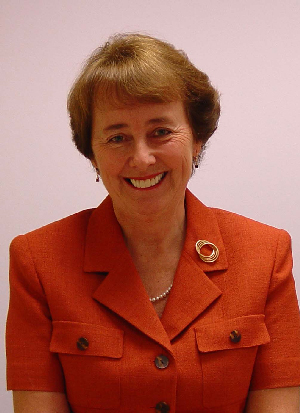
Dr. Barbara Jacobs

The phrase “change is constant” is being used now by hospital administrators to partially explain the restructuring of departments and services that is often accompanied by acquisitions of smaller and/or regional hospitals into large corporations.  These changes in health care delivery systems are not limited to hospitals, as these corporations include, for example, agencies and services that provide home-care, out-patient services, emergency medical services and other community health care enterprises.  As the template changes, so does the status quo.  This ought to empower nurses to evaluate the status quo and suggest changes within the nursing profession for a number of reasons.  The one most obvious reason is, as Dr. Kagan opines in her guest editorial, – “to make things better.”  Better patient outcomes, better patient health, better prevention strategies, better human flourishing.

Without an underpinning in nursing knowledge, nurses will be ill-equipped to ask critical questions, to analyze the status quo, or through a process of praxis change those practices and structures that are unjust or inequitable in their practice environments.  The ethos of nursing is a strong one and ought to be visible, evident, and valued and unique from the institution’s ethos.  In order to accomplish this in the rapidly changing health care environments, imagination and innovation have the potential to make a difference.  Unfortunately, “change is not constant” in nursing education and practice to the degree it is in other realms of health care.   Take for example electronic charting – a wave of tsunami proportions.  As nurses now are more tethered to the i patient (a phrase coined by Dr. Abraham Verghese to describe the patient as data points) they are less available to move in the patient’s landscape with hopes of performing acts of aesthetic quality or to engage in such a way that is personal, intersubjective and meaningful to the patient.  Yet the technology prevails with support from some nurses, but others lament their loss of time to “be with” patients.  The question to ask is whether some innovation like electronic charting is in harmony with the voice of nursing, the ethos of nursing, and the philosophy of nursing or is it another institutional innovation that requires acquiescence and submission by the nursing population with minor input.

Thirty years ago Carper gave us an understanding of what nurses need to know to do what they need to do that is recognizable, valued, and defined as knowing that can be expressed as knowledge.  The professional practice model concept is fertile territory for planting these patterns of knowing along with other important concepts such as values, virtues, and research in such a way that the model enhances its applicability, adaptability, and usefulness to achieve the telos of nursing.  Professional practice models benefit the institution for sure but the real benefit, the real truth, the real reason to have them is to join in solidarity with those persons, families, and communities who call on nurses to answer the moral call to enhance their threatened human flourishing.

The model presented in this paper has been revised, revised, and revised again so as to reflect the thousands of patient narratives I have been blessed to experience.  The two patients in the paper are real, both having a profound impact on my current role as a nurse ethicist.  Both patients were not only medically complex requiring empiric knowing, both where vulnerable to threats to their self-determination requiring ethical knowing, both ached for meaningful personal encounters with their nurses requiring aesthetic knowing, and both changed (as did the nurses who cared for them) requiring personal knowing as a result of the covenantal relationship.  This model may not appeal to every nurse but the hope is that it will generate dialogue, reflection, and controversy.

Please consider entering in to dialogue here!  Download your copy of this article now while it is featured, and come back here to share your thoughts, challenges and questions!

Overcoming “status quo bias” – a call for innovative action


The first featured article from the latest ANS issue focusing on “Innovations in Health Care Delivery” is the guest Editorial by Paula N. Kagan, PhD, RN.  Dr. Kagan’s scholarship is grounded in critical/emancipatory feminist perspectives, and she is the primary Editor of the forthcoming (2014) text  Philosophies and Practices of Emancipatory Nursing: Social Justice as Praxis. Routledge Publishers. Dr. Kagan shared this message about her work, concluding with a call for action:

I have been interested in the idea of innovation for many years. I am attracted to radical change in areas such as the arts as well as nursing practice, in pedagogy, in ethics and policy approaches, and at various other points of social thought and practices. However, there is a horizon of embracing radicalism, a threshold at which there can be comfort in ambiguity and in difference and in creating drastic change. Think resistance. We do not have to stay attracted and attached to the status quo to the exclusion of real change. But how often that occurs.

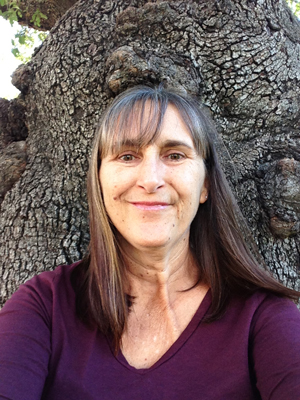
Paula N Kagan, PhD,RN

Paula N Kagan, PhD,RN

During this election week, the astute Chris Hayes on MSNBC spoke about status quo bias, the human behavior characteristic that moves people to, at times irrationally, chose the status quo over options of change, some of which may be better choices than what constitutes the present circumstance. He was referring to status quo bias in decision-making, an effect demonstrated by Samuelson and Zeckhauser (1988) and applied to many fields of study.

I am perplexed at organizations that chronically spend time on improvement measures but in the end stay within the boundaries of tradition. I am perplexed at our unrelenting focus on acute care and hospital nursing. And, I am perplexed at nurse educators who prepare students to uncritically meet the status quo. We are not serving our students or the public.

Perhaps nurses can begin meetings, at any level of organization, with a consideration of the phenomena of status quo bias, resistance, and the practice of radicalism and make sure these concepts are included as ‘essential’ in the content of study for students (as well as in the practice of faculty and professional leaders) in nursing. Would that make a difference in our criticality, in our ideas of what constitutes innovation and progression?

You can read the full text of Dr. Kagan’s Editorial and download your copy on the ANS web site.  We would be delighted to engage with you here on this blog!  Leave your comments, ideas and questions here, and we will respond.

Just released online! “Innovations in Health Care Delivery”


The October-December 2013 issue of ANS has just been released online, featuring the topic “Innovations in Health Care Delivery.”  There could be no more timely occasion for the appearance of this issue. The United States is finally implementing a landmark health care law that moves in the direction of providing affordable and accessible health care for more citizens than ever before. Many other countries in the world already provide access to fundamental health care, and community-based wellness services, and now the United States embarks on a historical initiative to shift in this direction as well. The U.S. law calls for a more prominent emphasis on health promotion and disease prevention and community-based services, and nurses are called upon to be key providers in making these services available. The time for innovation is here, and the articles in this issue challenge all readers to consider possibilities, and to take action to build on the work of these authors!

You can view the Table of Contents online now.  Each article in this issue will be featured over the next several weeks in the “Editor’s Pick” section on the ANS home page with a link to download it at no cost.  I will post an announcement about each article on this blog, along with a message from the authors – so follow this blog to stay current on each featured article!


Dr. Mona Shattell appointed ANS Associate Editor


We are delighted to announce the appointment of Mona Shattell, PhD, RN, FAAN as Associate Editor of Advances in Nursing Science!  Dr. Shattell has served as a reviewer and member of the Advisory Board for a number of years.  She was the lead author on a study of the ANS peer review process  (which also included the Journal of Holistic Nursing and Issues in Psychiatric Mental Health, the

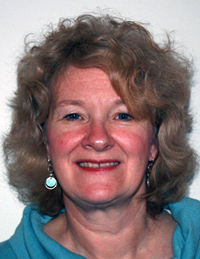
Mona M. Shattell, PhD,RN,FAAN

Mona M. Shattell, PhD, RN, FAAN

report of which was published in 2010 in the Journal of Nursing Scholarship (http://onlinelibrary.wiley.com/doi/10.1111/j.1547-5069.2009.01331.x/abstract) . She has been a member of the International Academy of Nursing Editors (INANE) since 2009, and also serves as Associate Editor of Issues in Mental Health Nursing. Dr. Shattell will be involved in managing the ANS manuscript review process, and will provide editorial leadership shaping the future of the journal.

Dr. Shattel is the Associate Dean for Research and Faculty Development in the College of Science and Health and is an associate professor in the School of Nursing at DePaul University.  She received a PhD in nursing from the University of Tennessee Knoxville, a Master of Science degree in nursing from Syracuse University, and a Bachelor of Science degree in nursing, also from Syracuse University.  Prior to joining the faculty at DePaul University, she taught at the University of North Carolina at Greensboro, the University of Alabama at Birmingham, and the University of North Carolina at Charlotte.  Dr. Shattell’s clinical specialty is in psychiatric and mental health nursing.  Her research focuses primarily on the mental health of vulnerable populations, therapeutic relationships, acute care psychiatric environments, community mental health, Latinas with depressive symptoms, the mental health and physical health of long-haul truckers, and psychosis.  Dr. Shattell is a regular blogger for The Huffington Post, and the author of more than 95 journal articles and book chapters.

Overcoming that which divides


The current “Editor’s Pick” article presents what the authors, Geraldine Gorman, PhD, RN and Corinne Westing, MS, RN,  call a “union narrative as a nursing parable.”  Their article is titled “Nursing, Unionization, and Caste: The Lessons of Local 6456” which provides an account of one local unionization effort, as well as an analysis of the far-reaching implications for reaching across that which divides us to create peace in our own communities.  Corinne shared this story of the work she and Gerry have pursued together over the past 5 years:

This article started in some ways in the winter of 2009. President Obama’s first term in the White House. This was during my first semester of nursing school, in Obama’s home town. I was lucky to have as one of my first classes a course intended to help new nursing students navigate the cultural and social transition into the nursing world. Gerry and I found we were completely simpatico. When I entered the Master of Science program in my pursuit of a career in nurse-midwifery, Gerry asked me to share my knowledge and experience or labor organizing as it impacted nursing, by giving a lecture for her class to supplement the presentation

Corinne Westing

Corinne Westing

traditionally given by the Illinois Nurses Association. I had been around the National Nurses United, which represents the nurses at Cook County, University of Chicago, and a few other hospitals in the Chicago area. I had read a few things about nursing strikes over the years and was generally very sympathetic toward organized labor and nurses’ grievances.

During that time, faculty at the University of Illinois began organizing of their own accord. In the wake of the economic crisis that was deeply impacting public education, faculty had every reason to begin to explore organizing. Amidst the hostility surrounding this union drive at the College of Nursing (CON), Gerry and I—and of course other union sympathizers—began a conversation about what was going on. We struggled with the divide between unionization in some of the clinical sites the CON sends its students to and the negative reception nursing colleagues gave the union organizers at the CON. How could unionizing be accepted for rank and file nurses but not for academic nurse workers, especially those in an increasingly stratified workplace like the public university?

Over the semesters, my research into the history of nurse unionism proved challenging. I could not find one single source that could knit together this story—especially not in nursing literature. There would be hints of the back story in labor texts and historical archives. The narrative was unfolding, and it was my pleasure to try

Gerry Gorman

Gerry Gorman

to construct a coherent version that could also shed light on current conditions in academic labor, including in the nursing world.

As frustrating this journey to unearth radical nursing past proved, it also was profoundly rewarding to discover how well nurses belie the myth of the “handmaiden” or subservient comforter. Though women may be socialized to nurture, when put in collective working conditions like the hospital unit, women care workers, like all workers, will eventually struggle. And it turns out that even a tenure-driven, female-dominated academic workplace can contain the seeds of struggle.

We worked on this article through the ups and downs of the card drive at the University, and in the context of a successful strike by Chicago public school teachers. We chewed on the meaning of the mass protests against austerity and union rights just north in Madison while we watched as little organized resistance developed to take on rising tuition costs at our University. We solidarized with the movement of the 99% in Chicago and hoped that Occupy would inspire increased support for campus labor, including professors. We submitted this article in the shadow of President Obama’s second inauguration, as hope of change from above seemed to dissipate, and we struggled with where to go from here. Within UIC United Faculty, negotiations continue; still no contract, still a pressing need to build links between students, faculty, and other campus labor groups to help win this much-needed agreement.

It was an honor to work with Gerry through the process of shaping this piece to contribute to the discussion about how working conditions shape clinical and teaching practice. We are extremely grateful for the opportunity to share this work with you, through Advances in Nursing Science. We hope that this article has inspired critical thought about the roles we play in our workplaces and how, collectively, we can make nursing stronger, on the nursing unit and in the classroom.

Visit the ANS web site today to download your copy of this article while it is featured at no charge and read their account  – one which deeply honors the intent and hope to seek peace in our communities.

Strength Amid Struggle


The current “editor’s pick” article is a notable example of a nursing perspective that is based on people’s strengths as they face health challenges, not solely on the challenges themselves.  The article, titled “Intimate Partner Violence in Mexican-American Women With Disabilities: A Secondary Data Analysis of Cross-Language Research” is authored by Chris Divin, MSN, RN, FNP; Deborah L. Volker, PhD, RN, AOCN, FAAN; and Tracie Harrison, PhD, RN.  Ms. Divin shared this background on the work that she completed for this article with her advisors, Drs. Volker and Harrison:

I have had the privilege of being a nurse for over thirty years. Almost half of those years were spent working in Latin America. It was in Venezuela when I worked with a group of health promoters that I first learned of the complexities of intimate partner violence (IPV). Our health group started a support group for women who were living in situations of IPV. We strengthened one another as we sat on hand made cushions in a safe and hidden open air patio behind the clinic. For the “Dia Internacional de la Mujer, International Day of Women,” men, women, and children joined together to paint murals throughout the barrio addressing the reality of IPV.

Until I worked in geriatrics as a nurse practitioner, I, like many people, held the mistaken assumption that IPV is only a phenomenon affecting younger women. I was both surprised and saddened that some of the women I

Chris Divin, MSN, RN, FNP

Chris Divin, MSN, RN, FNP

cared for in their 80s continued to struggle with IPV in their relationships. I presently work as an FNP providing primary care at a domestic violence shelter one day a week where I see the acute effects of abuse. I am passionate about the work I do, not only to raise awareness about IPV but to hope, dream, and continuously wonder what more can be done about this serious but preventable public health issue.

I was reminded at the Nurses Network for Violence against Women Conference in Vancouver earlier this year that nurses are called to be natural advocates for women affected by the multi-faceted health issues of IPV, and belonging to a predominantly female profession, there is tremendous power in numbers. I am delighted to be among nurse researchers who are actively engaged in pursuing a deeper understanding of this phenomenon, especially in the area of long term effects of abuse in an aging population. Not only is it important to recognize the scars of abuse but the amazing strength, perseverance, and peace that women manifest in the midst of their adversities.

Lastly, I, a novice researcher, had the opportunity to work on this study for over a year guided by two most amazing qualitative researchers. I have expressed gratitude to Dr. Harrison repeatedly for the “goldmine” that was handed to me when I was given the opportunity to analyze some of the data that had been collected for an entirely different study; an ethnographic investigation of health disparities and disablement among Mexican-American and non-Hispanic white women aged 55-75 years. I gained deep appreciation for the complex and intricate details that go into a secondary data analysis. I also could not help but wonder how many different research questions could be answered with data obtained for an entirely different objective and study. What richness in the human story and how serendipitous that ANS was soliciting articles for their “Peace and Health” issue as we were actively analyzing these stories for glimpses of peace and health amidst multiple adversities including IPV. We are very grateful for the timing and opportunity to publish in ANS and we appreciate any questions or comments in regards to our article.

Visit the ANS web site to day to download your copy of this article at no charge!  And do make comments here … the authors of ANS articles are eager to hear from you!

Promises of Peace and Development


In this current “Editor’s Pick” article titled “Promises of Peace and Development: Mining and Violence in Guatemala” the authors, C. Susana Caxaj, PhD, BScN; Helene Berman, PhD;, Jean-Paul Restoule, PhD; Colleen Varcoe, PhD and Susan L. Ray, PhD, tell a compelling story of the lives of people struggling for peace against great odds.  And, they connect this story to the lives of you and me – to all nurses who live and work in relatively privileged contexts who can, and must, be guided by a sense of responsibility to ensure human and environmental health in our quest for global peace and health.  Dr. Caxaj, who is a native Guatemalan, has shared this message about here work, with additional background about the challenges before us as nurses:

ANS_marlin-mine300

The Marlin mine involves deforestation, open-pit cyanide leaching and underground mining in extracting gold and silver. The mine has been linked to changes in water quality and quantity in the region. Photo: Allan Lissner

In “Promises of Peace and Development,” I wanted to contemplate peace in its elusive, aspirational and distant sense. For countries and regions throughout the world, scarred with a history of militarized violence and genocide, peace is only known in its absence, received as an empty gesture, and known as a broken promise. Indeed for many Guatemalans, myself included, the Peace Accords of 1996, which marked the formal end of a 36 year civil war, more aptly known as a genocide that targeted the diverse Mayan Indigenous peoples of Guatemala, has simply marked a transition towards a new type of violence and impunity. In May of last year, Rios Montt, a military dictator during the worst years of violence, was convicted of genocide. Yet less than 2 weeks after the verdict, the case was overturned. For many, this has been a source of further disillusionment. In writing this paper however, I did not wish to simply surrender to cynicism, instead, I wanted to document the conditions amenable to peace, and in contrast, activities or practices, sometimes called “development,” that must be signaled, as mechanisms of conflict, war and insecurity.

When I think of the word peace, I often think of the expression “no justice, no peace.” My work with the community of San Miguel Ixtahuacán certainly reflects this reality.  Over years of getting to know community members and the months at a time that I have spent living among them, I have seen first-hand the profound inequities and injustices that shape local

In July 2011, the Peoples International Health Tribunal was carried out in San Miguel Ixtahuacán. The tribunal included testimonies from mining-affected communities in Mexico, Guatemala and Honduras affected by Goldcorp's marlin mine.

In July 2011, the Peoples International Health Tribunal was carried out in San Miguel Ixtahuacán. The tribunal included testimonies from mining-affected communities in Mexico, Guatemala and Honduras affected by Goldcorp’s marlin mine.

residents’ experiences. The presence of Goldcorp’s Marlin Mine, by exacerbating inequities, has brought new challenges and conflicts to the region. By failing to represent or recognize the community’s wishes and vision for development, this large-scale project has continued a legacy of social exclusion and colonialism.

As nurses we know that these political contexts ultimately impact the health of communities. As I write this, I have another manuscript open where I have started to write about the many mental health challenges that community members have reported. It is heartbreaking to know the degree of suffering that so many residents in this community have endured. My hope is that in reading this paper, more nurse scholars and health researchers generally will incorporate a critique of mainstream notions of development as central to a global health equity mandate. And further, that they will champion Indigenous rights and self-determination as key components of an upstream health promotion approach.

Nurse researchers have a lot to learn from Indigenous communities who are often the first to be negatively impacted by these large-scale projects. We must recognize their knowledge and experience if we are to work towards healthier societies. We must also develop creative ways to marry this knowledge with our scholarship if we are to build solutions that are equitable, sustainable and culturally relevant. Arising from this research, community members were able to partner with regional, national and international organizations as well as other mining-affected communities to develop the first ever Peoples International Health Tribunal. This tribunal, a social forum or ‘popular trial,’ was held in the municipality on July 14th and 15th of 2011. There, in front of a panel of International judges – including internationally renown journalists, environmentalists, lawyers, and others, including the former advisor to the World Bank, community members gave testimonios or testimonies, denouncing the mining company and detailing the harms that they had suffered. The international panel of judges found Goldcorp guilty of violations to the communities’ environment, health and human rights. Certainly this is but a humble step towards justice, but all in all, we must continue to work with communities negatively impacted by large-scale projects to pursue justice, and ultimately, towards a healthier and more peaceful society.

To download your free copy of this article, visit the ANS Web Site now!  It is available at no charge while the article is being featured.

ANS is Featured Journal on Lippincott’s NursingCenter.com


The current issue of ANS, focusing on the timely topic of “Peace and Health” is the current featured journal on NursingCenter.com!  As a featured journal, all contents are available for free download until October 1!  Here is what NursingCenter.com says about ANS:

Advances in Nursing Science (ANS) is the most stimulating publication in nursing science and education today. ANS is 36-3 coverintellectually challenging, yet readable; innovative, yet scientifically sound; reliable research without the tedious, traditional hard science approach found in so many other journals.

This issue would not be possible if it were not for the scholarship of the nurses whose work focuses on this very important topic.  Here is  the Table of Contents: